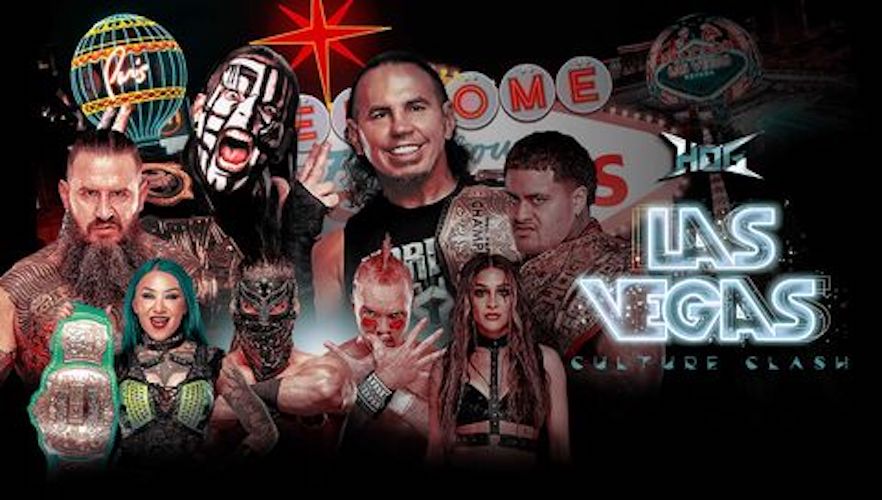
House of Glory needs to tighten its focus to break through
Measuring the gap between the indies and the majors
The House of Glory show in Los Angeles on May 2nd arrived with a specific promise: high-intensity independent wrestling away from the polished sheen of the corporate juggernauts. Yet, watching the event unfold, the friction between ambition and execution was impossible to ignore. A wrestling show is a mechanical device; every minute matters, and the transition between a tactical masterpiece and a filler segment is usually where the audience either locks in or checks their phones.
We have seen AEW struggle with its own duration by pushing toward the three-hour threshold, diluting the impact of their top-tier talent. House of Glory operates on a much smaller scale, but the lesson remains constant. When you book a card that demands sustained attention, your pacing must be surgical. The May 2nd event featured a series of bouts that oscillated wildly in quality, leaving the viewer wondering if the promoters knew exactly what identity they were trying to project.
The mechanics of a mid-card crisis
In the ring, the technical proficiency was evident, but the connective tissue between segments was thin. During several exchanges, the sequences devolved into a trading of signature moves that felt less like a legitimate athletic contest and more like a rehearsed set of gymnastics. Precision is the difference between a sport and a spectacle. When a wrestler hits a dive, the audience should see the intent behind the targeting; here, the spacing was often wide, suggesting that self-preservation took precedence over ring psychology.
The card lacked a definitive anchor match to glue the disparate segments together. In an era when even the longest-running acts are being disbanded—as seen with the departure of Kofi Kingston and Xavier Woods—indie promotions have to cultivate a sense of desperate urgency. That feeling of consequence was missing in Los Angeles. The sequences were clean, but they were not consequential.
Refining the product for the modern fan
The promoter needs to recognize that the modern viewer is hyper-analytical. We track every missed strike and every lack of sell. When an opponent absorbs a high-impact maneuver but skips the recovery phase to set up the next spot, the suspension of disbelief shatters. It is not enough to simply exist as a promotion; one must provide a reason for the audience to invest their time against the weight of a busy sports calendar.
The upcoming WWE Backlash on May 9th is going to dwarf this production in terms of reach, but the fundamental issue of card structure is universal. House of Glory would benefit from trimming 15% of their runtime and focusing entirely on high-stakes, logically sound narratives. A card is a sequence of tension and release. By creating too much of one and ignoring the other, the promotion inadvertently signaled to the crowd that the details do not matter. The record for the show stands at 0 matches that left a lasting impact on the regional landscape.
WWE Cody Rhodes 'And Still' Undisputed Champion T-Shirt
Celebrate the American Nightmare's dominant championship reign.
More Coverage
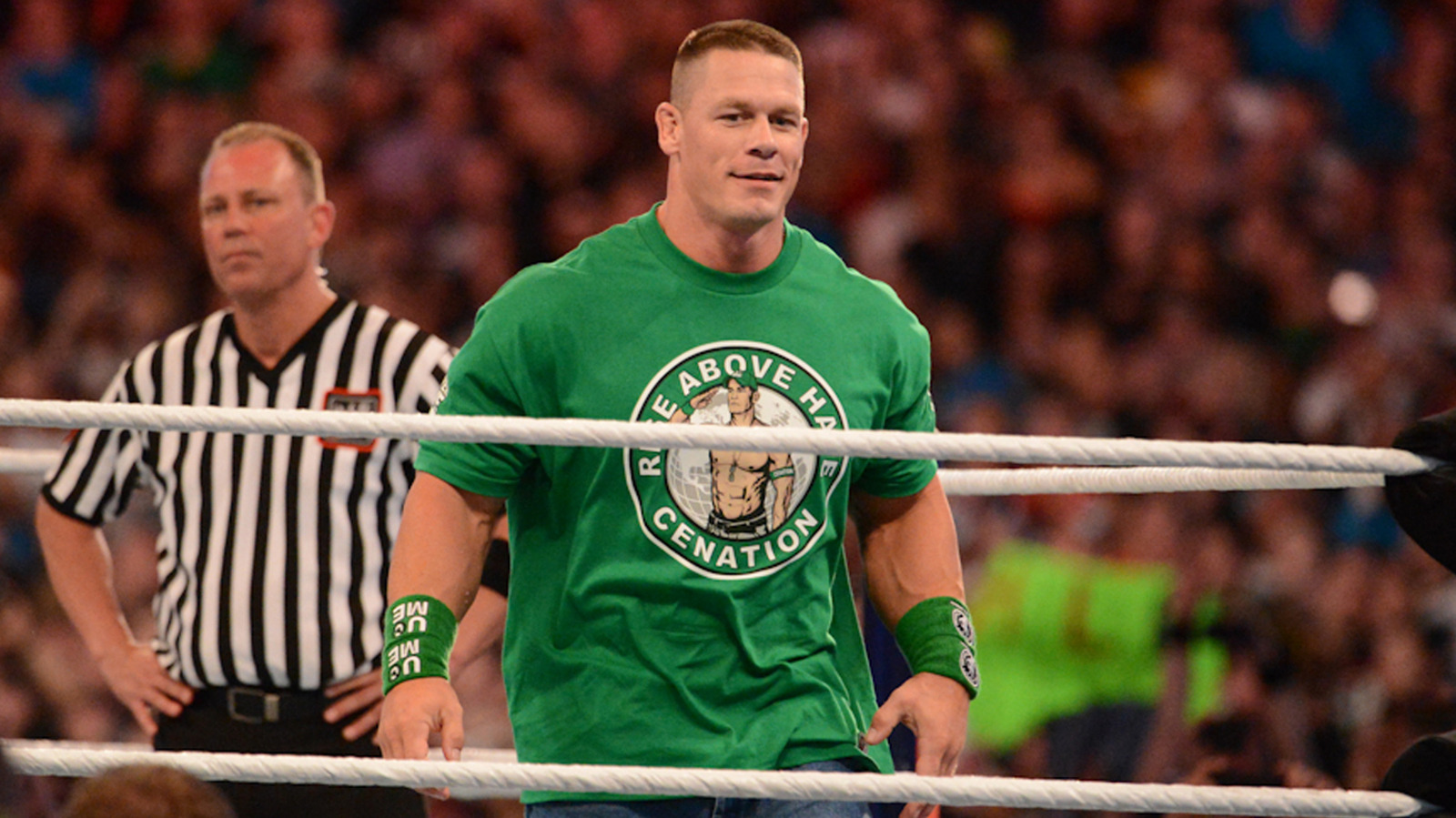
John Cena’s final act is becoming a masterclass in nostalgia
4 hours ago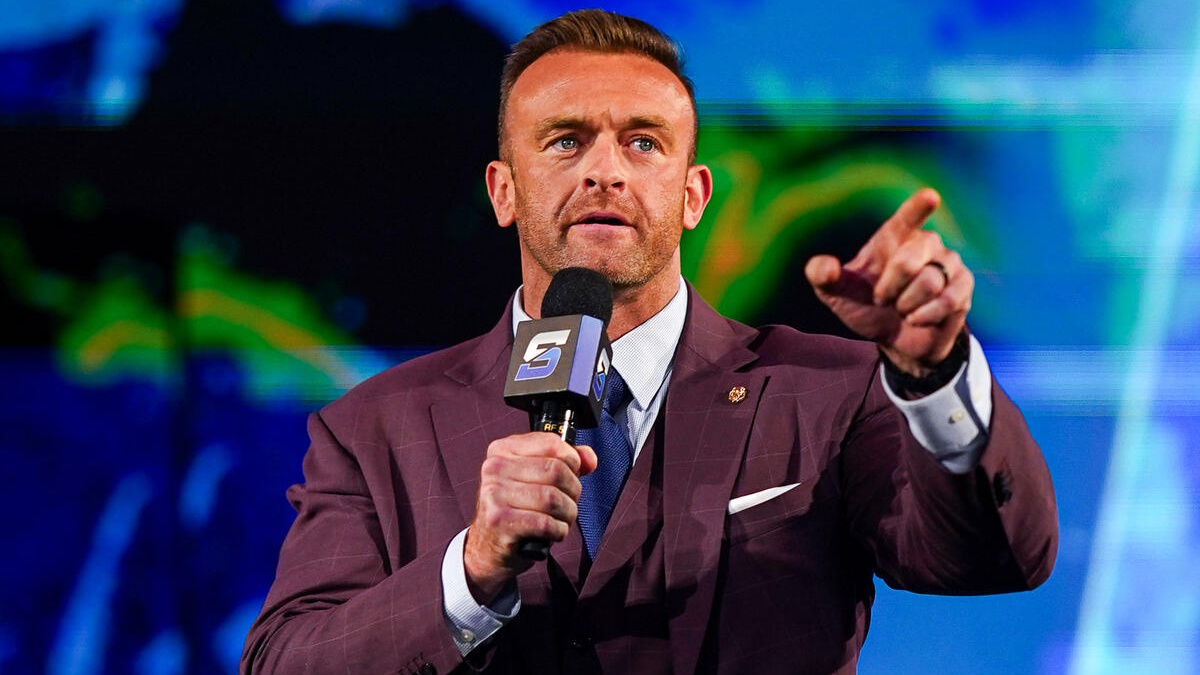
Nick Aldis walking into an impossible SummerSlam corner
5 hours ago
Logan Paul and Tom Brady are playing a dangerous game
5 hours ago
CM Punk’s physique isn't the story, his ring rust is
5 hours ago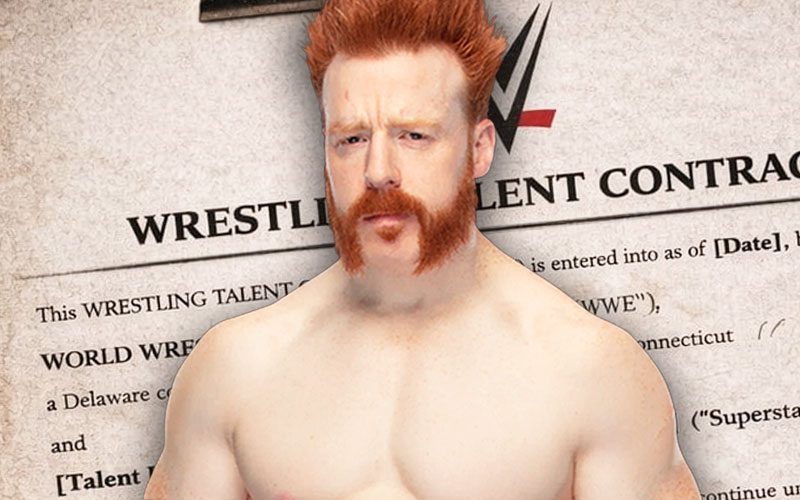
Sheamus is running out of road in WWE
6 hours ago
Top 10: The Definitive Moments of WWE Saturday Night's Main Event
6 hours agoMore Analysis
House of Glory is proving that indie wrestling still has teeth
1 month, 3 weeks agoThe tactical vacuum at House of Glory following Inferno
4 weeks ago