The digital breach of the locker room
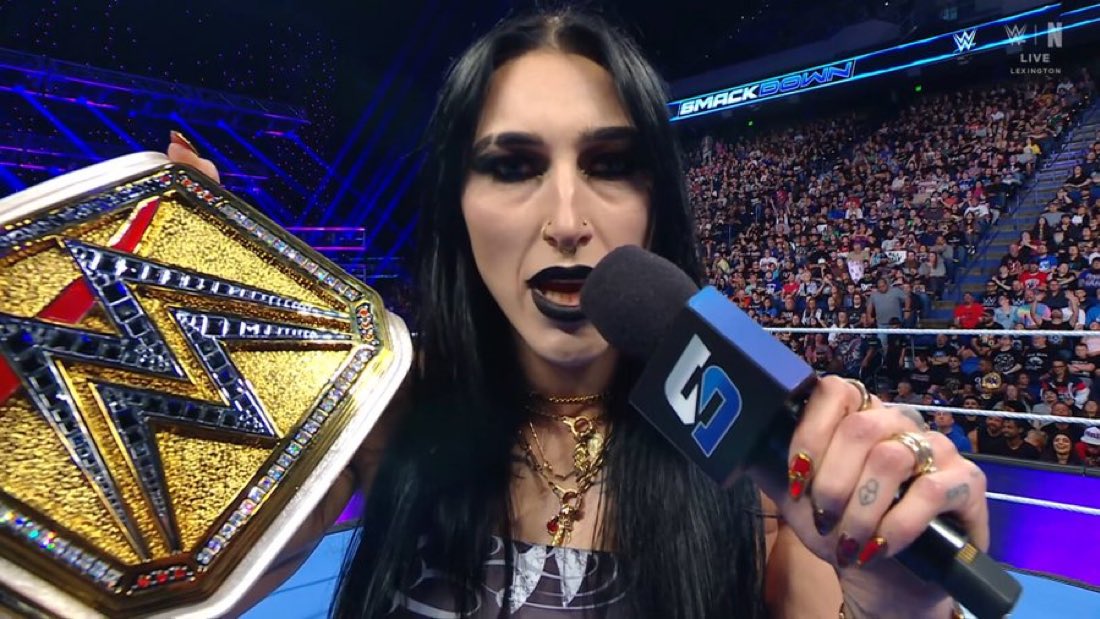
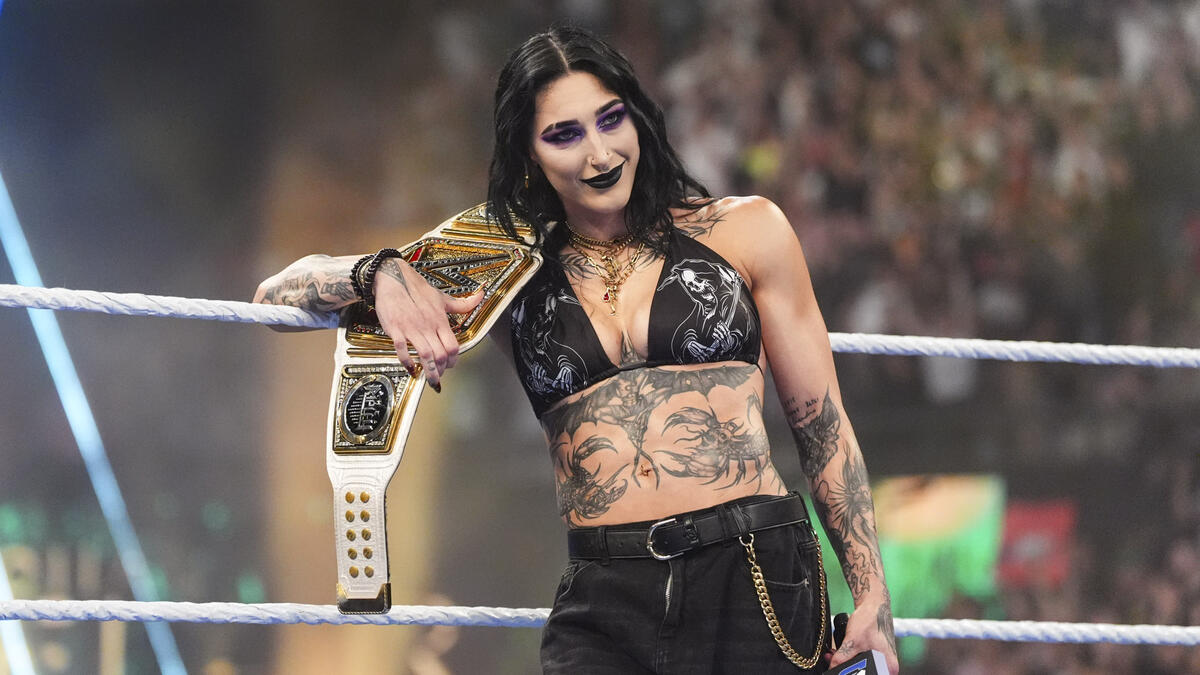
The recent revelation from Rhea Ripley regarding a fan acquiring her private mobile number during a live Twitch stream with Buddy Matthews is more than a celebrity anecdote. It exposes a systemic issue regarding the privacy of WWE talent in a digital age where the wall between performer and audience has essentially crumbled.
As BodySlam.net recently noted, the discomfort described by Ripley during that broadcast highlights the ongoing tension between fan access and human decency. When professional boundaries are bypassed, the fallout often manifests in the ring.
The professional cost of harassment
Distracted performers rarely compete at their peak. We see the mechanics of this in ring psychology; a talent preoccupied with personal security concerns lacks the singular focus required to sell a believable narrative. If a wrestler is worrying about private data leaks, their ability to execute high-risk maneuvers or maintain tight heat segments diminishes.
Historically, the industry has ignored the personal toll of this 'always-on' culture. By forcing performers to maintain an endless stream of social media interaction for the sake of brand engagement, WWE has inadvertently created a roadmap for boundary-crossing individuals to stalk talent through their private portals.
Predicting the front-office response
I expect Triple H and the creative team to begin insulating the roster behind stricter digital protocols by the end of the third quarter. It is a predictable move because the current status quo poses a potential liability risk. We will likely see a reduction in casual candid streams and a shift toward sanitized, corporate-sponsored content.
The downside, however, is a loss of authenticity. Fans engage with Ripley because she feels accessible and human, yet that same accessibility is what invites these intrusions. The company faces a binary choice: maintain the current, volatile engagement model or retreat entirely into a protective shell.
My prediction is that talent will be mandated to switch to burner-style, company-managed communications for public-facing business. Expect to see fewer spontaneous social media updates as the legal department takes a more interventionist approach to the roster’s online presence.