The Arrest That Broke the Board
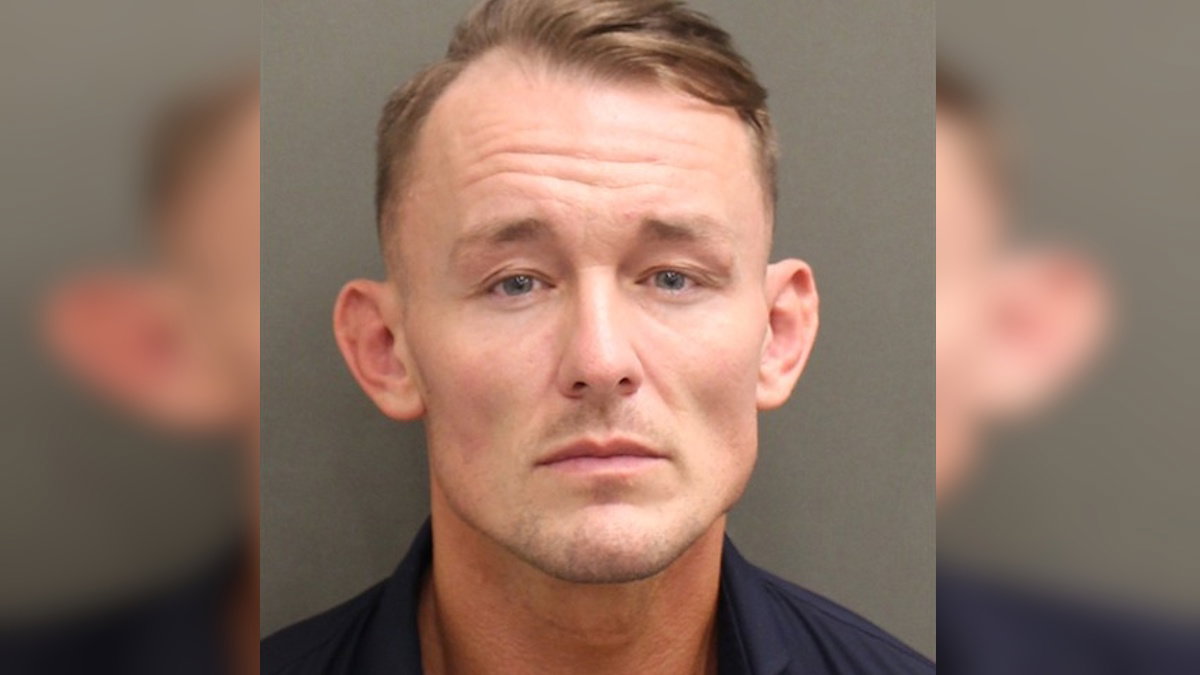
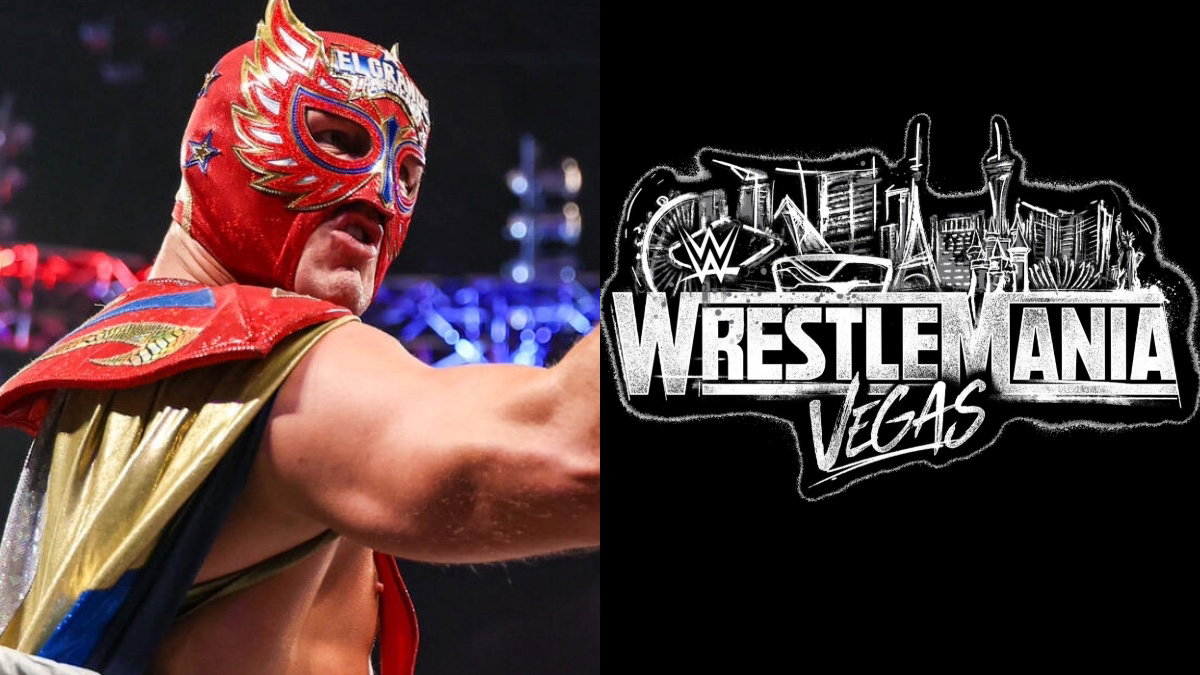
At 2:15 PM on Thursday, PWInsider published a headline that sent shockwaves through the Stamford front office. WWE's El Grande Americano had been arrested.
There were no immediate details regarding the jurisdiction or the nature of the charges. The promotion immediately went dark, refusing to issue a statement. That silence speaks volumes. It tells you that the legal department is panicking and the creative team is tearing up the format sheets for the entire weekend.
You do not just erase a guy of his physical dimensions without causing a massive ripple effect. He was the anchor of the mid-card, a heavy-hitting gatekeeper designed to test the durability of rising babyfaces. Now, that gate is left completely unguarded.
The Match That Never Was
This weekend was supposed to feature a fascinating clash of styles. El Grande Americano was slated to step into the ring with a faster, strike-heavy opponent. It was classic booking mathematics. Speed and volume versus mass and single-strike power.
I was looking forward to the tactical layout of that match. The big man has glaring weaknesses. His lateral movement is practically non-existent. When he is forced to pivot on his left knee, he invariably leaves his torso exposed to roundhouse kicks.
The strategy for any opponent was obvious. Target the base. Chop the lead leg, force him to drop his center of gravity, and negate his reach advantage. We saw hints of this vulnerability three weeks ago when he ate a stiff enzuigiri after telegraphing a lariat. He stumbled, completely losing his spatial awareness for a solid five seconds.
That vulnerability was supposed to be the story. Now, the story is a police report.
The Illusion of the Unstoppable Monster
Let’s be brutally honest about his in-ring output.
The front office fell in love with his silhouette, not his work rate. He is a mechanical worker. He moves from spot A to spot B with the rigid determination of a man trying to remember his choreography.
His offensive repertoire is painfully limited. He leans heavily on a delayed vertical suplex that eats up clock but does nothing to build actual heat. His corner offense consists of slow, rhythmic clubbing blows that look more annoying than devastating.
The pacing of his matches was always heavily masked by smoke and mirrors. Frequent camera cuts, heavy interference from managers, and opponents who bumped like they had been hit by a freight train. It was an illusion designed to protect a performer who simply could not chain-wrestle at a main event level.
This arrest forces the promotion to stop pretending.
Analyzing the Footwork
Let’s dig deeper into the actual tape of his recent television appearances.
If you watch his footwork during transitions, the flaws are glaring. When an opponent runs the ropes, a competent big man knows how to cheat his positioning. He takes a half-step back, anchors his weight, and prepares for the impact.
El Grande Americano rarely did this. He consistently stood flat-footed in the center of the ring. This forced his opponents to dramatically slow down their momentum right before contact, completely killing the illusion of speed and impact.
It was a constant source of frustration for anyone watching with a critical eye. You could see the smaller guys visibly adjusting their stride, knowing that if they hit him at full speed while he was off-balance, someone was going to tear a knee ligament.
This lack of spatial awareness is inexcusable at the television level. You simply cannot protect a guy who does not know how to protect himself.
The Structural Void
This creates a massive logistical headache for the producers. They have to immediately address three immediate problems:
- Scrubbing all pre-taped promotional packages featuring his likeness.
- Re-formatting the second hour of the broadcast to fill the massive gap left by his absence.
- Finding a new opponent for the babyface who just lost his primary antagonist.
Television time had been aggressively allocated to build his aura. We sat through weeks of squash matches against local enhancement talent. We endured the plodding promo segments where he breathed heavily into a microphone.
All of that screen time was an investment. The payoff was supposed to be a high-profile defeat that elevated a new star. That return on investment just evaporated.
So, who steps into the void? The modern locker room is filled with guys who want to wrestle twenty-minute sprints filled with poison ranas and springboard cutters. There is a severe lack of traditional, ground-based brawlers who understand how to slow a match down to a crawl.
You cannot simply replace mass with speed. If you plug a cruiserweight into a spot designed for a heavyweight, the narrative structure of the show collapses.
The Danger of One-Dimensional Booking
This situation exposes a systemic failure in the current creative process.
When an entire television quarter is built around a single, immovable object, the promotion is operating without a safety net. The writers mapped out weeks of television assuming his massive frame would always be available to absorb punishment.
There was no contingency plan. There wasn't a secondary powerhouse being kept warm in the wings. They placed all their chips on a performer who could barely execute a crisp clothesline.
Now, they have to pay the tax for that shortsightedness. The babyfaces who were supposed to look heroic by surviving his onslaught now have absolutely nothing to do. Their heat has completely dissipated.
They are left cutting promos about generic respect and competition because the monster they were supposed to slay has been removed from the board by the local authorities.
The Tactical Ripple Effect
Watch how the agents structure the upcoming television matches.
Without their designated monster, the babyfaces have nothing to overcome. The struggle is gone. A hero is only as compelling as the obstacle in front of him. Right now, the obstacles are largely interchangeable guys in kickpads.
We are going to see a severe overcorrection. I expect the agents to demand more stiff strikes and prolonged submission holds in the undercard to simulate the violence that El Grande Americano was supposed to provide.
It won't work. The crowd is too smart. They understand the difference between a natural heavyweight imposing his will and two light heavyweights desperately trying to work snug.
The Ghosting Protocol
WWE’s historical precedent in these situations is ruthless.
They will execute the ghosting protocol immediately. By the time the next broadcast goes live, he will cease to exist in the corporate continuity. His graphics will be scrubbed. His merchandise will vanish from the concourse stands. The broadcast team will be given strict instructions to never utter his name.
It is a bizarre experience for the live crowd. A major character simply disappears, and the promotion demands that you pretend you never saw him.
This leaves his planned opponent in absolute limbo. The poor guy spent weeks cutting promos on a mountain of a man, and now he will likely be thrown into a meaningless tag team match just to get him on the card.
A Necessary Reset
Perhaps this is a blessing in disguise for the overall product.
The heavy reliance on a performer with such obvious mechanical limitations was dragging down the work rate of the entire mid-card. Matches were becoming sluggish and predictable. You can only watch a guy labor through a chinlock so many times before the audience tunes out.
This forces the booking committee to rely on their workers. The guys who can actually go twenty minutes. The performers who understand ring psychology and don't need to be guided by the referee every step of the way.
It is a harsh reality check. Physical size does not equate to main event staying power. You need the stamina, the footwork, and the tactical awareness to survive the modern schedule.
The Final Verdict
The scramble behind the scenes will be evident on screen this weekend.
Expect a heavily disjointed opening hour. The producers will likely lean on long, unstructured promos to fill the time vacated by his scheduled matches. The pacing will feel off, and the transitions between segments will be clunky.
Prediction: The planned angle is dead and buried. WWE will pivot to an impromptu multi-man match to cover the missing star power. The guys in the ring will work twice as hard to distract from the glaring absence, but the shadow of the arrest will hang heavy over the entire broadcast. The big man is gone, and the show will be faster, leaner, and probably a lot better because of it.