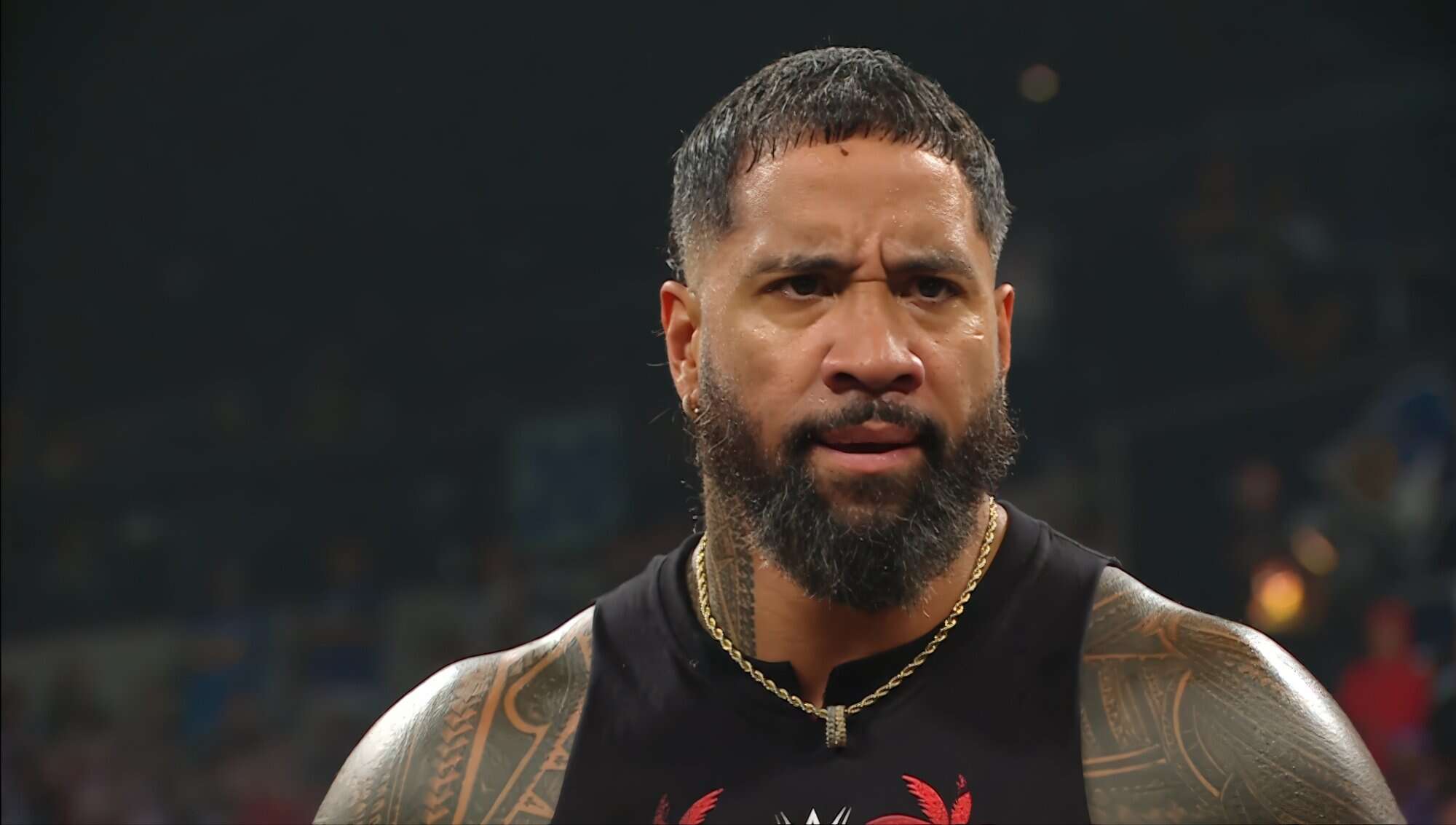
Dwayne Johnson is finally running away from his own brand
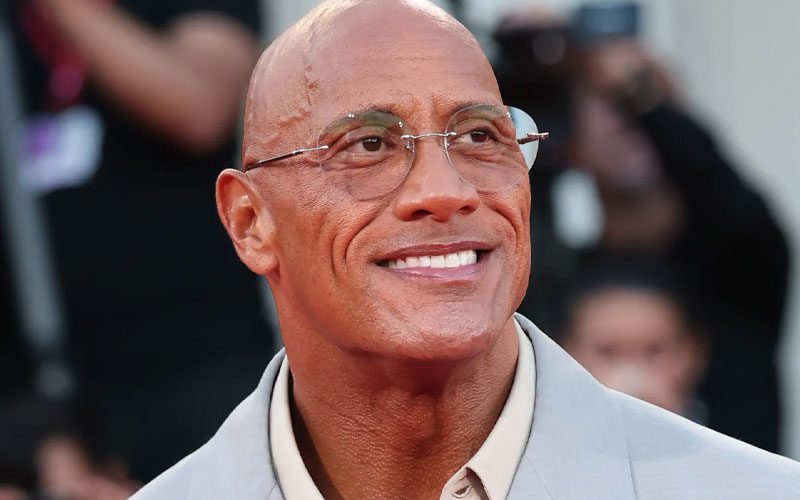
The Tactical Pivot in the Seven Bucks Playbook
On July 7, 2026, Dwayne Johnson changed his tactical setup. The announcement of his starring role in the action-drama "Free Byrd" marks a sharp departure from his standard career playbook.
In this film, Johnson portrays a Las Vegas motorcycle stuntman who hides a dementia diagnosis from his mechanic brother. He is chasing one final, dangerous jump while his cognitive faculties actively decay.
As reported by Ringside News, the movie is a serious dramatic swing. It is a direct reaction to the stagnation of his global blockbuster brand.
For the last decade, Johnson has operated within a rigid, low-risk system. He played invincible heroes in clean khaki shirts who smirked through massive CGI explosions.
That formula has reached its logical limit. The pivot to "Free Byrd," alongside his upcoming role in Benny Safdie’s "The Smashing Machine," suggests a calculated retreat to character-driven drama.
He is no longer trying to outrun helicopters or punch earthquakes. He is trying to play a character who cannot muscle his way out of his own biological decline.
The Failure of the Invincible Formula
This retreat is born of necessity. The defensive, brand-first strategy that protected Johnson's star power for years has recently collapsed at the box office.
His late-career blockbusters like Jungle Cruise, Red Notice, and Rampage felt less like films and more like corporate presentations. The characters were identical, and the stakes were non-existent.
The breaking point occurred in 2022 with the release of Black Adam. The film carried a staggering production budget of $200 million.
It struggled to reach a global box office return of only $393 million. It was a massive financial disappointment that ended his plans to take over the DC cinematic universe.
The critical reception was even worse. Audiences and critics rejected the sterile, consequence-free storytelling of a protagonist who could not be harmed.
If a character has no weakness, the narrative has no tension. The public grew tired of watching a brand walk through a movie instead of an actor playing a role.
To salvage his reputation, Johnson has had to look for creative collaborators who will not bow to his corporate wishes. He needs directors who prioritize drama over merchandising.
Scouting Greg Kwedar’s System
The acquisition of director Greg Kwedar is the most promising element of this new strategy. Kwedar is a filmmaker who works in the margins, far away from the studio assembly line.
He recently received major critical attention for "Sing Sing," a film built on raw performances and extreme realism. As noted by Wrestling Inc., Kwedar will direct and rewrite the screenplay for "Free Byrd."
"Free Byrd is a gift in many ways. Emblematic of life's sacred beauty, as well as life's harsh and callous reality."
Kwedar’s debut film, the border thriller "Transpecos," showed his ability to generate high tension in confined spaces. He does not use flashy camera moves or heavy digital editing.
Instead, Kwedar relies on long takes, natural light, and intense close-ups that capture genuine human emotion. His actors have nowhere to hide.
In "Sing Sing," Kwedar hired formerly incarcerated men to play versions of themselves. This approach shows a deep commitment to authenticity that is entirely missing from Johnson’s recent work.
For "Free Byrd," Kwedar is working with a screenplay that has a strong creative pedigree. The original draft by Jon Boyer landed on the Black List of Hollywood's best unproduced scripts.
An intermediate draft was written by Michael Schwartz and Tyler Nilson. That writing team created "The Peanut Butter Falcon," a film celebrated for its quiet, character-focused storytelling.
This history suggests the script is a delicate character study. It is not an explosive stunt show disguised as a drama.
The Internal Threat of Brand Protection
The greatest challenge to the film's success is the involvement of Seven Bucks Productions. Johnson’s company is co-producing the film alongside Clint Bentley, Fifth Season, and Gil Netter.
Seven Bucks has spent years operating as a protective shield for Johnson's image. They historically enforce strict creative controls to keep his characters looking heroic and flawless.
This corporate instinct is completely incompatible with a story about cognitive decline. Dementia is not a heroic obstacle that can be defeated by willpower.
It is a slow, messy, and devastating process. It strips away memory, motor skills, and personal identity.
If Seven Bucks applies its usual polish, they will ruin the central tragedy of the script. They will turn a raw drama into a generic story about 'one last ride.'
Serious acting requires a willingness to look weak, confused, and defeated. Johnson must allow Kwedar to film him looking pathetic and vulnerable.
If he insists on maintaining his invincible public image, the performance will feel artificial. The film will become just another vanity project designed to chase awards.
We saw this ego-driven control hurt his later Fast & Furious films, where contracts reportedly limited physical vulnerability. He cannot bring that mindset to a drama about terminal illness.
The Stuntman Metaphor and Physical Decline
The premise of a fading stuntman hiding his condition is a perfect metaphor for Johnson's physical reality. He is a veteran athlete who is running out of time.
We saw this physical decline during his return to WWE. His performance at WrestleMania XL in 2024 was highly entertaining, but it required careful tactical protection, as discussed by BodySlam.net.
He competed in a tag team match that allowed him to rest on the apron while Roman Reigns handled the heavy lifting. He could not carry a thirty-minute singles match on his own.
In "Free Byrd," there is no tag team partner to absorb the damage. He will be alone on screen, carrying the weight of a character whose mind is failing him.
The physical reality of motorcycle stunts makes the dementia diagnosis particularly terrifying. Stunt riding requires precise calculations of speed, wind, and body positioning.
A stuntman must hit a ramp at a precise speed to clear a gap. If his brain misfires for even a second, the result is catastrophic failure.
The tension in the film must come from this physical danger. The audience must feel the terror of a man who is losing his spatial awareness while riding at high speeds.
This requires a level of physical realism that Johnson has avoided for years. He must trade his sterile, CGI-assisted action for actual physical strain and fear.
The Philosophy of Artists Equity
The presence of Artists Equity as a production partner is another key factor. Founded by Ben Affleck and Matt Damon, the company was built to protect creators from studio interference.
Their business model focuses on profit-sharing and creative freedom for directors. This framework could protect Kwedar’s vision from being diluted by studio executives.
"This is a project that all of us at the company have connected with personally. Greg is one of the most exciting writer-directors working today, and Dwayne is an extraordinary talent and person."
But whether Artists Equity can stand up to Seven Bucks is a major question. Johnson is a massive star who is used to getting his way on set.
Affleck and Damon have expressed strong support for the project. They called Kwedar one of the most exciting directors working today.
But their company must ensure that Kwedar maintains final cut privilege. If they allow Johnson to dictate the editing room, the film will lose its edge.
This is a major test for the Artists Equity model. They must prove they can protect a director's vision even when dealing with one of the biggest stars in Hollywood.
If they succeed, they could create a blueprint for how massive stars can transition into serious dramatic actors. If they fail, they will have helped produce another expensive, sanitized flop.
The Double-Track Strategy
This dramatic pivot is happening alongside his massive commercial commitments. The announcement of "Free Byrd" comes just weeks before the theatrical release of the live-action "Moana."
In that film, Johnson returns as Maui, the giant, shapeshifting demigod. This setup shows his dual-track career strategy.
He is attempting to maintain his status as a Disney star while simultaneously chasing Oscar credibility. It is an extremely difficult balance to strike.
Dramatic audiences are highly skeptical of corporate branding. If they feel they are being sold a focus-grouped version of vulnerability, they will reject it.
Johnson has spent nearly thirty years building an image of ultimate physical power. He transitioned from college football to professional wrestling, and then to Hollywood action hero.
His entire brand is built on the concept of hard work and physical dominance. Now, he must play a character who is losing control of his own body and mind.
This is the ultimate test of his acting ability. He must dismantle the very brand that made him a billionaire.
If he succeeds, he could redefine his legacy. If he fails, he will remain trapped in the khaki shirt forever.
WWE Roman Reigns Bloodline T-Shirt
Acknowledge your Tribal Chief with the most dominant gear in the game.
Frequently Asked Questions
What is the premise of Dwayne Johnson's movie Free Byrd?
Why is Dwayne Johnson shifting away from his blockbuster movie brand?
Who is directing the film Free Byrd?
How did Black Adam impact Dwayne Johnson's career strategy?
Which upcoming films show Dwayne Johnson's shift toward drama?
More Coverage
On This Day in Wrestling: July 08
12 hours ago
Why The Rock's new movie is his riskiest career move in years
1 day, 3 hours agoWhy the Moana box office will decide the fate of WWE's Final Boss
2 days, 12 hours ago
Why John Cena's latest apology to The Rock exposes the hypocrisy of their feud
6 days, 3 hours ago
Why Cody Rhodes' story might never actually get finished
1 week, 1 day agoWhy Braun Strowman's road back to the ring just got more complicated
1 week, 2 days agoMore Analysis
From the Gym to the Shelf: A Fan’s Guide to Wrestling Gear
42 minutes agoShelf Space Real Estate: A Fan’s Guide to Recent Wrestling Finds
42 minutes ago
The complicated legacy of Drew McIntyre
an hour ago
Jay White is finally back to reclaim his place at the top
an hour ago
Kenny Omega is back on top, but the path back was messy
an hour ago