The injury timeline and medical status
Dragon Lee is off television indefinitely. The high-flying performer reportedly sustained an injury during television tapings, forcing internal changes to upcoming segments. Sources indicate the injury occurred while executing a transition during a mid-card match, though the specific move has not been disclosed by the promotion.
Medical staff have cleared the performer to begin rehabilitative therapy, but there is no currently established return date. Unlike standard recovery timelines for soft tissue damage, this situation requires a cautious approach due to the physical nature of his lucha libre style.
Strategic ripples in the mid-card
The absence leaves a hole in the athletic division. Dragon Lee has been a cornerstone for quality matches among the junior-heavyweight roster. Without his presence, talent scouts must reformat upcoming tapings to fill the time previously dedicated to his high-risk sequences. The creative team now faces a difficult pivot for any planned rivalries.
This loss comes at a quiet time for the brand but adds unnecessary stress to the midweek production schedule. Management has been forced to shift television resources elsewhere. Losing a performer who draws specific heat through technical precision disrupts the flow of the summer tour.
The weight of the mask
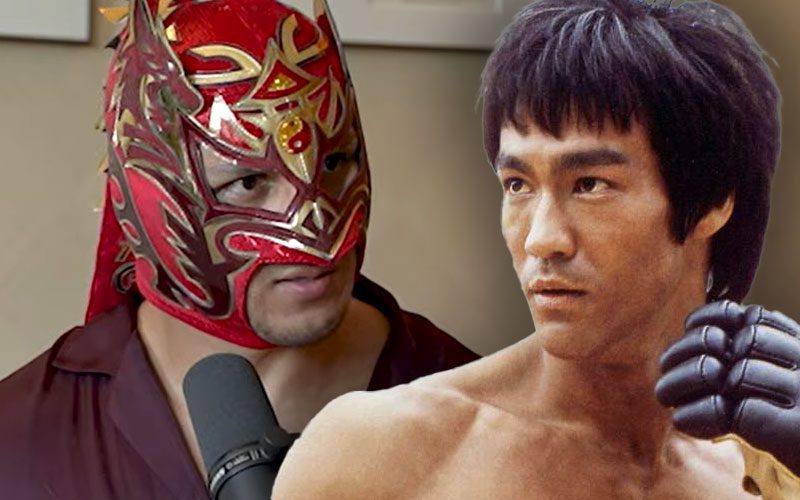
Dragon Lee’s character is deeply rooted in personal history rather than arbitrary directive. As Ringside News recently detailed, the mask and ring name serve as a tribute to his late uncle and a homage to martial arts legend Bruce Lee. When a performer with this level of personal branding goes down, it is more than just a logistical headache for the booking office.
History shows that extended breaks for high-flyers often lead to slowed momentum. We have seen similar scenarios in the past where aerial specialists return with a more grounded, safer move set to mitigate further damage. This is a common career transition for performers who rely on torque and impact.
Critical analysis of the incident
The lack of transparency regarding this injury is a common frustration for fans. While privacy is understandable, the sudden removal of a featured performer without a clear narrative reason disrupts the viewing experience. Booking decisions often appear erratic when key figures vanish from the screen without a stated cause.
The current internal sentiment focuses on damage control rather than long-term health improvements for the roster. If the training facility is not evolving to address the specific vulnerabilities of high-flying talent, this cycle of injury will continue. The promotion needs to evaluate the intensity of its training regimen if talents are consistently wearing down before major programming pivots.
Ultimately, the medical staff must prioritize long-term recovery over a rushed return for a throwaway episode. We are looking at a potential recovery window of 4 to 6 months based on similar ligament concerns in the industry, provided no surgery is required. This estimate is based on the industry standard for returning to full mobility after high-impact training accidents.
We will continue to watch for updates on his status. For now, the roster must move on without one of its most dynamic pieces. The expectation is that management will lean harder on technical grappling specialists to cover for the lack of aerial maneuvers in the interim.