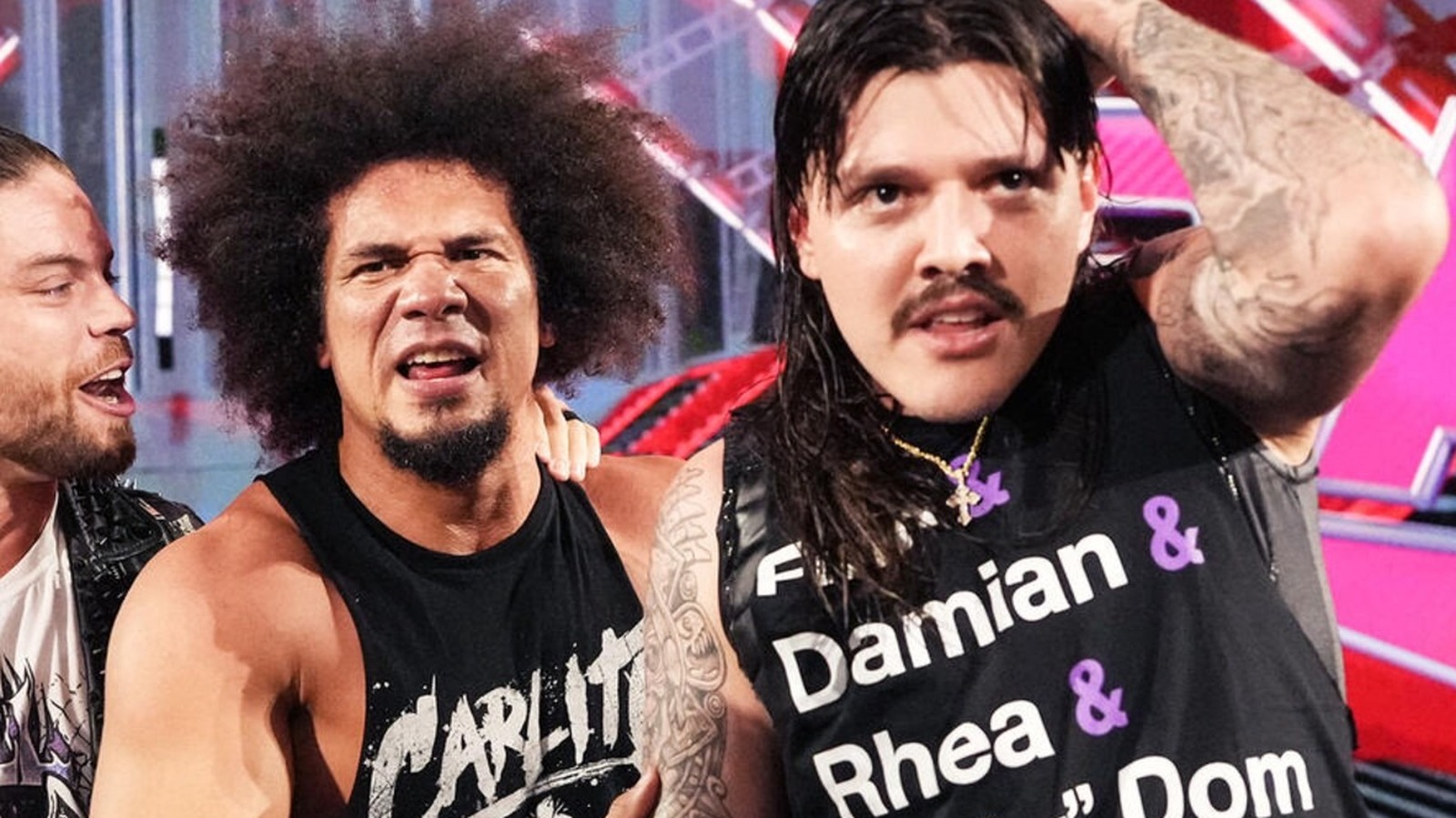
Dominik Mysterio is a mid-card liability hiding in plain sight
Tournament momentum built on shaky foundations
The path to the King of the Ring finals is rarely a clean sprint, but Dominik Mysterio’s recent advancement displays a tactical fragility that should worry anyone hoping for a legitimate coronation. During the June 5 episode of SmackDown, Mysterio secured his spot in the bracket not through superior ring generalship or technical efficiency, but through a recurring reliance on outside interference that undermines the credibility of the tournament format.
Watch the timing of the sequence that preceded his victory. At exactly 14 minutes and 30 seconds into his televised segment, the match structure shifted from a competitive exchange into a predictable scramble. Mysterio does not work heavy minutes with high-impact output; he occupies space, waits for a distraction, and executes opportunistic strikes. It is the tactical equivalent of a defensive shell that refuses to actually defend.
The math of a fraudulent contender
In a technical breakdown of his performance metrics, Mysterio consistently ranks in the bottom quartile for offensive output per pin attempt. While his opponents are layering maneuvers—setting up elevated spots or working specific limbs to compromise stability—Dominik operates purely on a reactionary basis. His win frequency in tournament settings is detached from his in-ring efficiency, which hovers near current career lows.
Consider the June 5 SmackDown tape, which you can watch via PWInsider. The footage proves exactly what the eye test suggests: there is no discernible progression in his technical move set. When the referee’s attention is diverted, the match quality immediately degrades into a series of cheap shots that mask a lack of fundamental physical dominance. This isn't just ring psychology; it is an admission that he cannot survive a clean exchange.
The danger of ignoring diminishing returns
WWE’s broader strategy—the one that frequently forces collision courses with competing broadcast blocks—is bleeding into individual booking decisions. When management prioritizes a specific bracket outcome over the natural evolution of the wrestling product, they sacrifice the audience's patience. Dominik Mysterio is the perfect avatar for this policy: an athlete protected by booking smoke and mirrors rather than a display of actual athleticism.
We have seen this cycle before, where an performer is pushed despite a glaring inability to close a match cleanly. By the 18 minute mark of his last high-profile contest, the repetition of interference spots rendered the final near-fall meaningless in the eyes of a discerning observer. If the goal of the King of the Ring is to identify an individual capable of carrying a banner, then recent trends are actively working toward the opposite objective.
Tactical inertia and the audience experience
The audience is not a monolith, yet WWE’s creative team treats them as if they are prone to collective amnesia. There is no urgency in Mysterio’s match structure. He relies on a 33 percent success rate on interference-based transitions to initiate his closing sequence. It is lazy arithmetic that relies on the hope that fans won't notice the lack of high-velocity offensive sequences.
When you strip away the interference, you are left with a wrestler who is fundamentally stalled. His footwork is erratic, his spacing is disconnected, and his transition into major spots lacks the fluidity seen in his peers. By leaning into this reliance, WWE isn't building a star; they are constructing a glass house in a hurricane. Whether this is an attempt to cultivate traditional heat or a failure of vision, the result remains a product that feels smaller than the sum of its parts.
Ultimately, a tournament is supposed to be the ultimate stress test. It is where you find out who can maintain intensity over multiple rounds and different styles. Instead of seeing a rise in technical sharpness, we are viewing the same crutch-heavy methodology that has plagued his presentation for months. If you are going to put the crown on a performer, do it because they cleaned out the bracket. Don't do it because they had the best view of their interference from the canvas.
McDavid Knee Support with Stays, Knee Brace for Support and Stability
Get the extra support you need for your own training sessions.
Frequently Asked Questions
How did Dominik Mysterio advance in the King of the Ring tournament?
What does the performance data reveal about Dominik Mysterio's wrestling style?
Why is Dominik Mysterio's reliance on interference considered a tactical liability?
How does WWE's booking strategy impact the quality of Dominik Mysterio's matches?
What happens to match quality when the referee is distracted in Mysterio's bouts?
More Coverage
Jacob Fatu is playing games and it puts RAW in a tough spot
35 minutes ago
AJ Styles deserves more than a nostalgia act for his final run
35 minutes ago
The high cost of the cage: Assessing the reality of athlete recovery
36 minutes ago
Trick Williams is taking a massive gamble calling out Booker T
36 minutes ago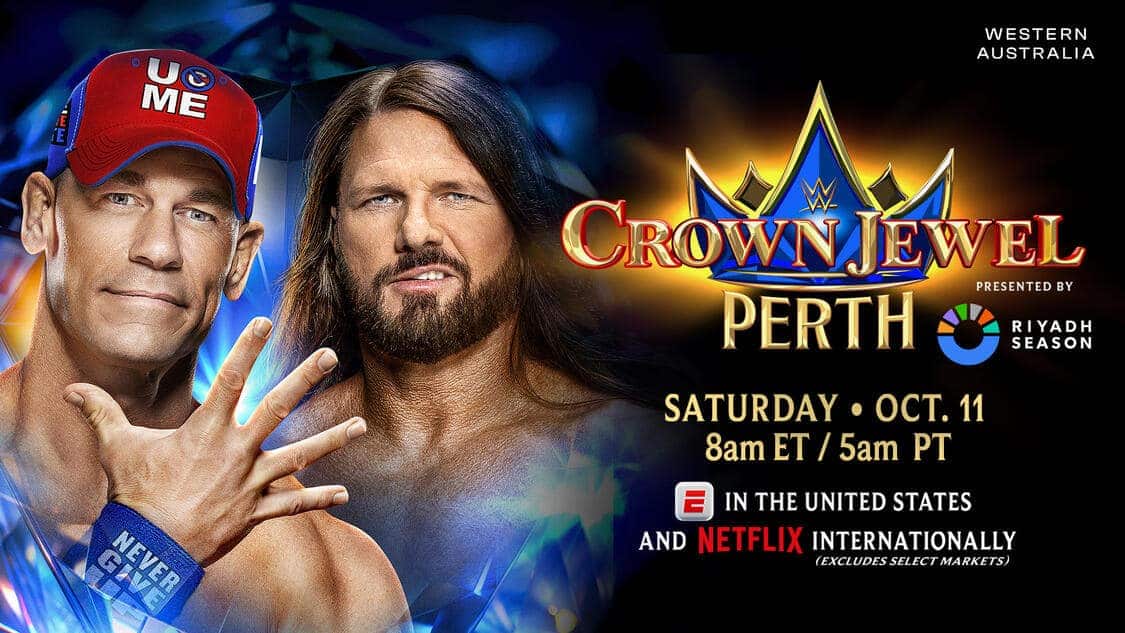
AJ Styles deserves more than a nostalgia act for his final run
46 minutes ago
John Cena’s final tour creates a booking headache for AJ Styles
47 minutes agoMore Analysis
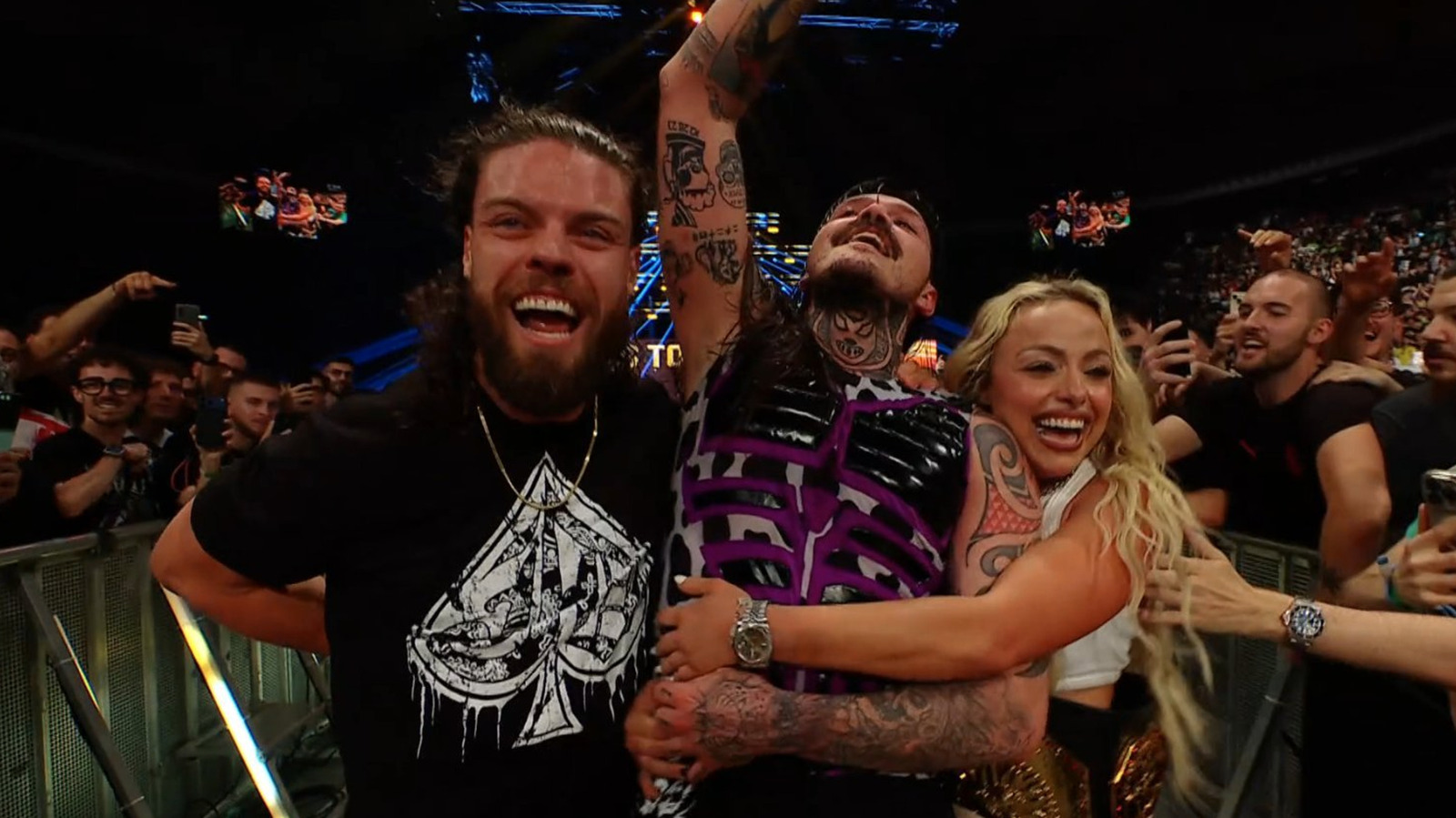
Dominik Mysterio is exposed by his reliance on outside interference
1 month, 2 weeks ago
King and Queen of the Ring brackets reveal a structural issue in SmackDown
1 month, 2 weeks ago
Dominik Mysterio has become WWE's most efficient tactical asset
3 months ago
Dominik Mysterio's future in WWE is reaching a breaking point
3 months, 2 weeks ago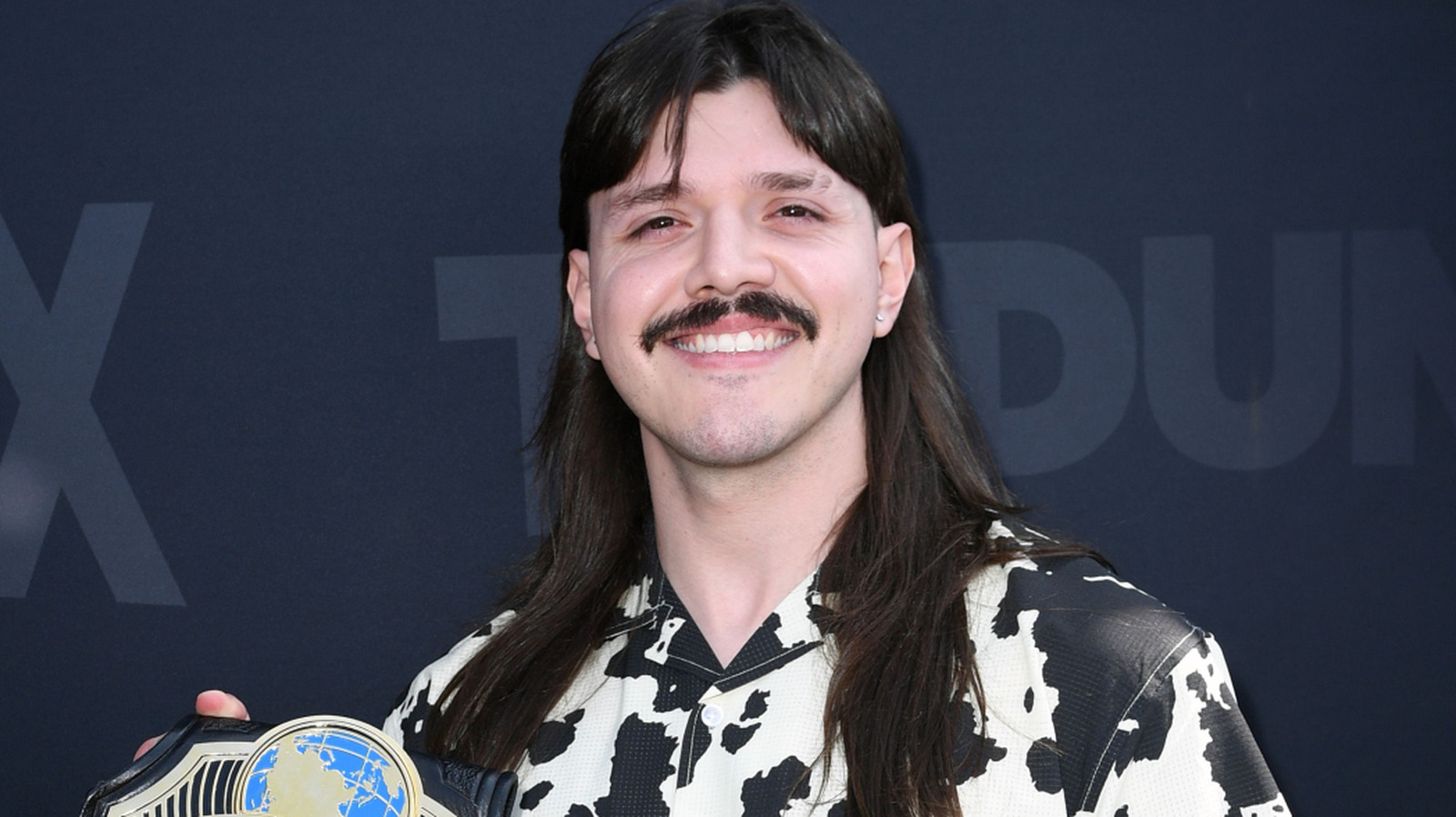
Dominik Mysterio is hitting a ceiling despite the constant main event push
3 months, 4 weeks ago