Wrestling's favorite docuseries hits play on the analog tapes
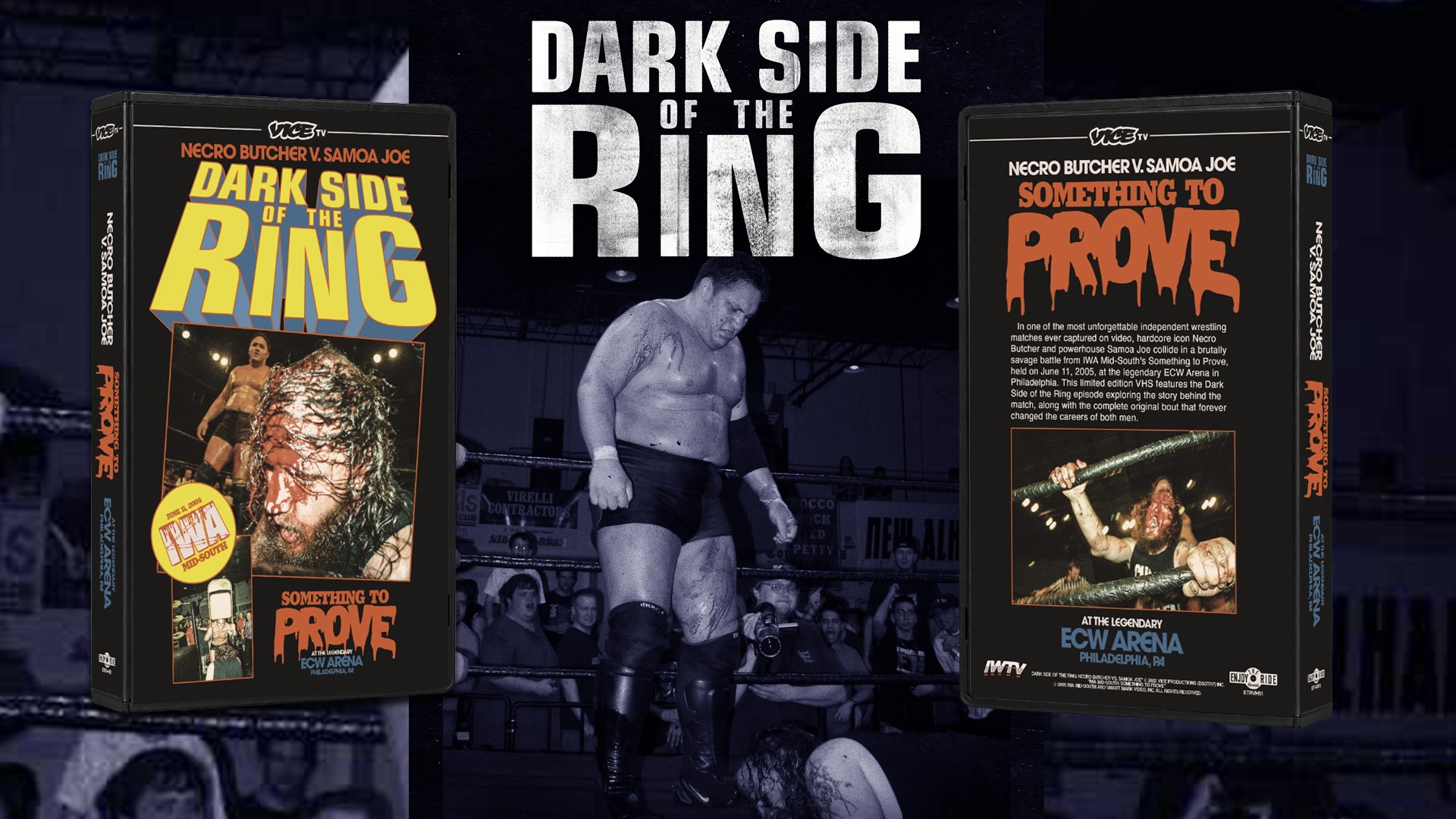
If you told someone back in 2006 that a reckless indie brawl inside a sweat-stained gym would eventually become the centerpiece of a television event, they would have called for the men in white coats. Yet here we are in July 2026, and Vice TV's Dark Side of the Ring is leaning all the way into pure retro insanity. The network made waves by releasing the full Samoa Joe versus Necro Butcher episode online, turning a legendary underground fight into a cultural victory lap.
To celebrate the release, the show went full physical media geek by dropping a limited edition VHS release of the episode. It is a brilliant marketing gimmick aimed straight at the nostalgia bone of fans who remember trading physical tapes in the back of pro wrestling magazines. The move bridges the gap between old-school tape traders and modern streaming audiences without feeling like cheap cash-in merchandise.
Naturally, wrestling media took notice. On the latest edition of the PWTorch Flagship podcast, hosts Wade Keller and Jason Powell broke down the episode while debating what the show got right and wrong about vintage indie wrestling and TNA history. While discussing the broader landscape—including SummerSlam ticket sales and AEW storylines—the consensus around Dark Side of the Ring was clear: when the show focuses on raw match storytelling rather than just tragic downfall narratives, it hits a sweet spot that few wrestling documentaries can match.
The bloody legacy of Samoa Joe vs. Necro Butcher
The episode highlights one of the most absurdly violent, revered encounters in modern indie history. Back in IWA Mid-South, Samoa Joe was the unstoppable ROH World Champion who treated every match like a heavyweight championship fight. Necro Butcher was the bare-knuckle folk hero of the deathmatch circuit who treated his own forehead like a pin cushion. When their paths crossed, nobody expected a technical masterpiece; they expected a car crash, and that is precisely what they got.
The centerpiece of the match remains Necro taking a brutal suplex straight onto the hard concrete floor, landing with a thud that echoed through the building. Joe did not hold back a single strike, dropping heavy boots and stiff jabs that had the crowd screaming in equal parts horror and awe. It was not pretty, it was not slick, and by modern safety standards, it was downright terrifying to watch.
Yet, that exact chaos is why fans still talk about the match two decades later. The documentary captures the lightning-in-a-bottle feel of mid-2000s independent wrestling. It was an era where men worked for hot dogs, handshake agreements, and the sheer thrill of causing a riot in front of two hundred rabid fans.
Critique, context, and why the VHS release actually works
If there is one complaint to leverage against the docuseries in recent seasons, it is the tendency to over-dramatize behind-the-scenes politics while glossing over the actual wrestling logic. As Keller and Powell noted on their broadcast, docuseries like this can occasionally bend timeline context for dramatic flair. When covering promotions like TNA or indie promotions, the show sometimes paints with overly broad brushes, sacrificing nuance for shock value.
However, putting the spotlight on Joe and Necro Butcher avoids those typical traps. By releasing the complete episode online via PWInsider's coverage, Vice gave fans immediate access to the full story without locking it behind obscure paywalls. Pairing that digital release with a tangible collectible—as reported by F4WOnline—serves as a love letter to the era that created these legends.
The match was not pretty, it was not slick, and by modern safety standards, it was downright terrifying to watch.
Indie wrestling was built on tracking down grainy bootleg cassettes in the mail. Owning a physical VHS tape in 2026 feels absurd, but that absurdity is the point. It honors the blood, sweat, and concrete that Samoa Joe and Necro Butcher left on the floor all those years ago.