The Heavy Crown of Darby Allin
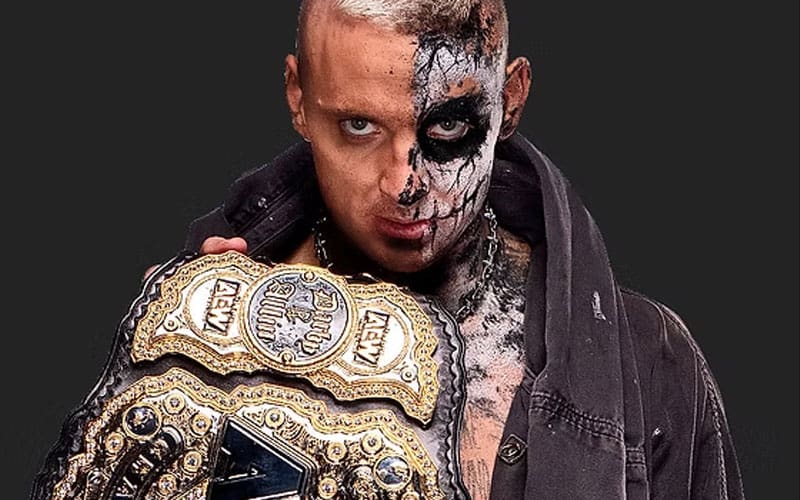
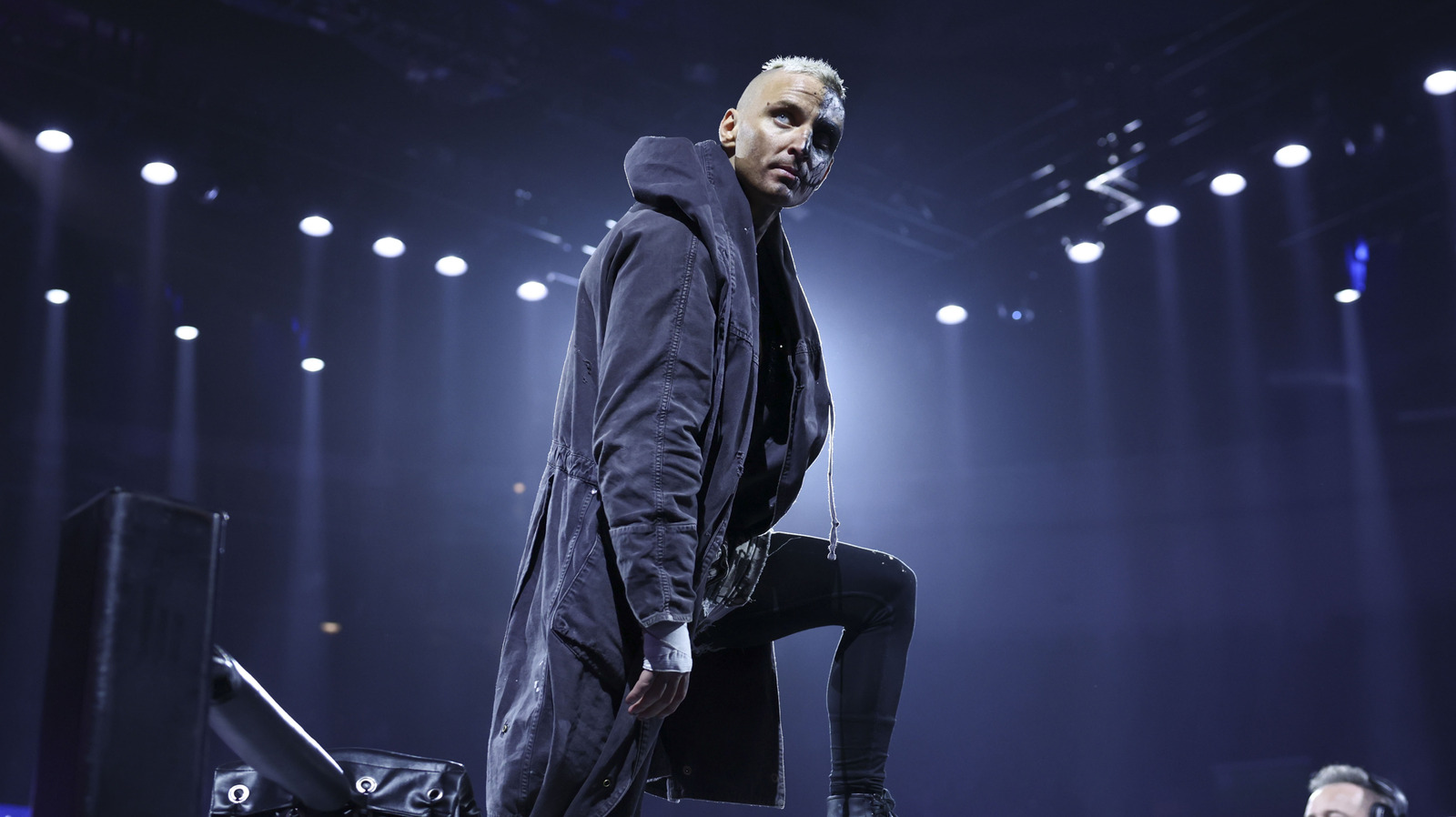
Darby Allin entered the May 13 edition of AEW Dynamite with the AEW World Title around his waist. Defending the promotion’s top prize is a massive burden for anyone. For a wrestler who actively seeks out car crashes, the weight is even heavier.
Allin has spent years throwing his body at concrete, steel, and anyone standing in his way. Now, as the face of the company, that recklessness is both his greatest asset and his biggest liability. AEW has built its identity on alternative presentations of professional wrestling.
Allin represents that alternative perfectly. He does not look like a traditional world champion. He does not wrestle like one. Yet, fans have connected with his authentic approach to competition.
However, the booking surrounding his reign is showing serious cracks. Relying entirely on his willingness to take horrifying bumps is a lazy creative strategy. At some point, the shock value diminishes entirely.
AEW needs to start telling deeper stories with their champion, rather than just asking him to fall from increasingly high places. His title defense on this episode of Dynamite highlighted those issues. The spectacle was certainly there, but the emotional core felt hollow.
When a champion risks his neck every single week, the title matches start to bleed together. A world championship bout should feel like a rare, prestigious event. Instead, it sometimes feels like just another Wednesday night stunt show.
The Chaos of the Ten-Man Tag
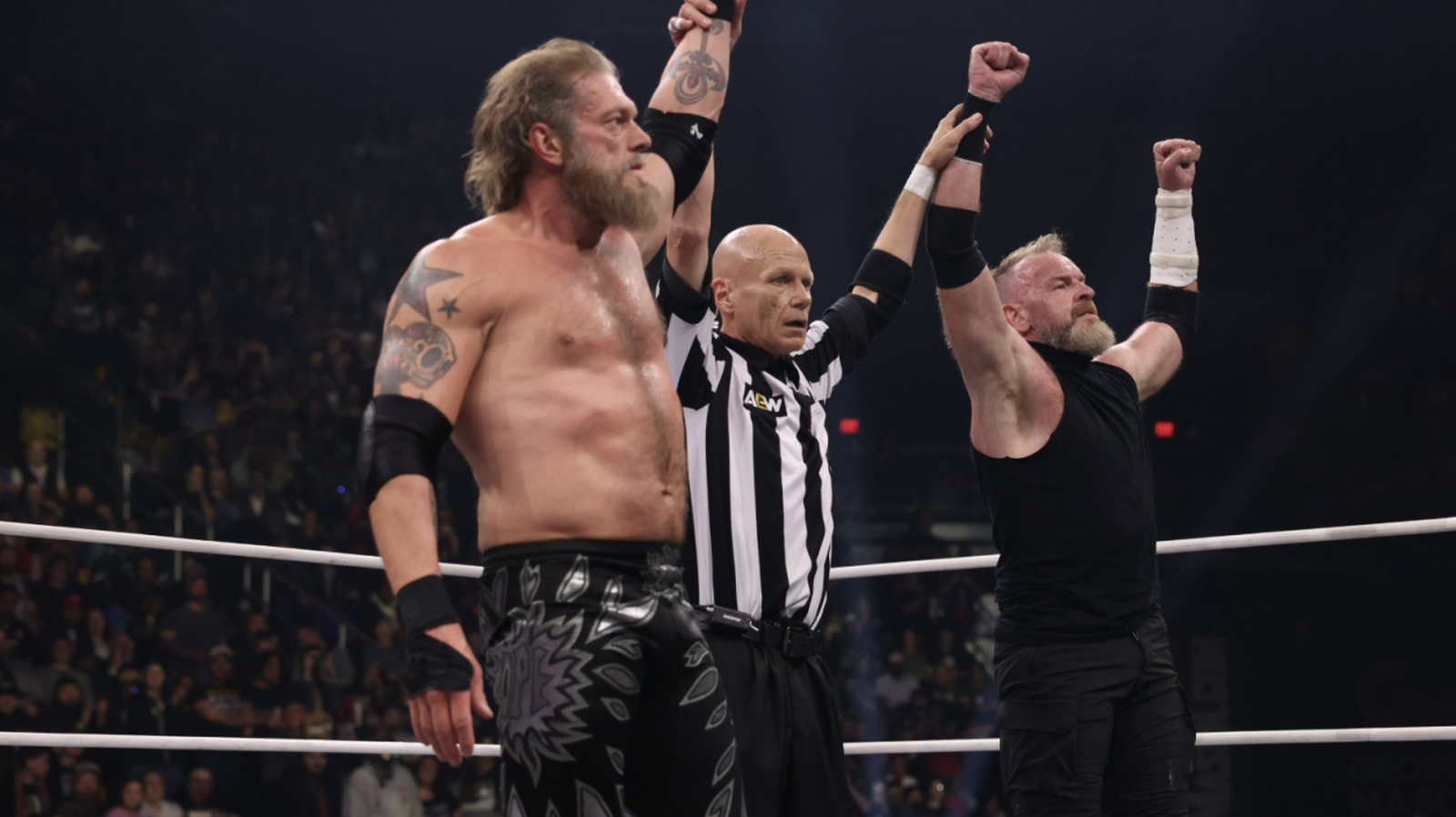
The other focal point of the broadcast was a massive ten-man tag team match. Christian Cage, Adam Copeland, and FTR were heavily involved in the chaos. When you put that much veteran talent in a single ring, expectations naturally skyrocket.
Copeland and Cage have decades of deeply intertwined history. FTR are arguably the greatest tag team of their generation. But stuffing all of these massive personalities into one match is a huge risk.
Ten-man tags are notoriously difficult to pace on television. They almost always devolve into a series of disconnected brawls. The referee simply loses control.
The psychology that makes FTR so brilliant is frequently lost in the shuffle. Christian Cage remains one of the most effective villains in the entire business. He knows exactly which buttons to push to infuriate an arena.
Opposite him, Adam Copeland continues to ride a massive wave of nostalgic momentum. The fans still react loudly to his signature offense. Yet, putting them in a crowded multi-man match felt like a misstep.
It diluted the intensity of their very personal rivalry. FTR, known for their meticulous tag team isolation tactics, were forced to play a completely different game. They are at their best when dissecting an opponent limb by limb. A frantic ten-man sprint simply does not play to their elite strengths.
The Tag Team Division's Identity Crisis
The presence of FTR in a sprawling multi-man match points to a larger issue within AEW's tag team ranks. The division that was once the undisputed crown jewel of the promotion has lost some of its singular focus. FTR built their massive legacy on pure, unadulterated two-on-two wrestling.
Their absolute mastery of ring positioning and blind tags is what makes them special. When you place them in a ten-man environment, those elite skills are marginalized. You are essentially asking a pair of master chess players to participate in a violent dodgeball game.
They will still perform well, but the format limits their true potential. It feels like a fundamental misunderstanding of what makes the act work. This is symptomatic of a broader trend across the entire company.
AEW frequently leans heavily on massive faction warfare. Stables of four, five, or six wrestlers dominate the weekly television time. While this allows more performers to appear on screen, it heavily dilutes traditional tag team wrestling.
True two-on-two feuds with dedicated, logical build-up are becoming increasingly rare. The company desperately needs to remember the formula that made their tag division the absolute best in the world.
The Approaching Shadow of Double or Nothing
Everything happening on AEW programming right now must be viewed through the lens of Double or Nothing. The pay-per-view is scheduled for May 24, 2026. That gives the company exactly ten days to finalize their biggest storylines.
The pressure on Tony Khan is immense right now. Double or Nothing is historically the event where AEW sets its creative direction for the entire summer. The build-up to this year’s event has been incredibly uneven.
Some angles are red-hot, while others feel entirely rushed. The inclusion of the ten-man tag team match on Dynamite felt like an obvious attempt to simultaneously advance multiple pay-per-view programs. It is a common television tactic, but it frequently sacrifices match quality for angle progression.
Darby Allin will undoubtedly walk into Double or Nothing as the main focal point of the card. His title defense on Dynamite was a necessary step on that road. He proved, once again, that he is willing to endure immense physical pain to retain his championship.
The lingering question is how much more punishment his body can absorb before the pay-per-view even begins. The dynamic between Copeland, Cage, and FTR will also play a massive role in Las Vegas.
They need clear, focused narratives going into the show. They do not need to be lost in the middle of ten-man traffic jams.
Looking Ahead to Las Vegas
As the clock rapidly ticks down to May 24, the urgency on Dynamite will only increase. The upcoming final broadcast before Double or Nothing will be essential. AEW needs to sell the pay-per-view heavily to a skeptical audience.
They need to convince fans that these matches are truly worthy of their money. The ten-man tag and the world title defense were merely appetizers for the main course. Christian Cage will likely escalate his brilliant psychological warfare.
Adam Copeland will aggressively seek his ultimate retribution. FTR will demand the outright respect they feel they are continually denied. Darby Allin will probably jump off something incredibly dangerous, regardless of the consequences.
The ingredients are all there for a spectacular, memorable event in Las Vegas. However, the execution must tighten up significantly. The chaotic energy of a ten-man tag match is fun, but it rarely sells a major pay-per-view.
Fans pay hard-earned money for blood feuds. They pay for deeply personal rivalries with clear, understandable stakes. The remaining television time must be spent heavily clarifying those exact stakes.
There is absolutely no more time for filler segments. The road to Double or Nothing is almost at its violent end. Ultimately, Dynamite delivered a very action-heavy broadcast.
It gave the loud live crowd the wild spectacle they paid to see. But the television audience needs far more narrative meat on the bone. If AEW wants to maximize their buyrate for Double or Nothing, they need to prioritize focused storytelling over chaotic multi-man spot fests.