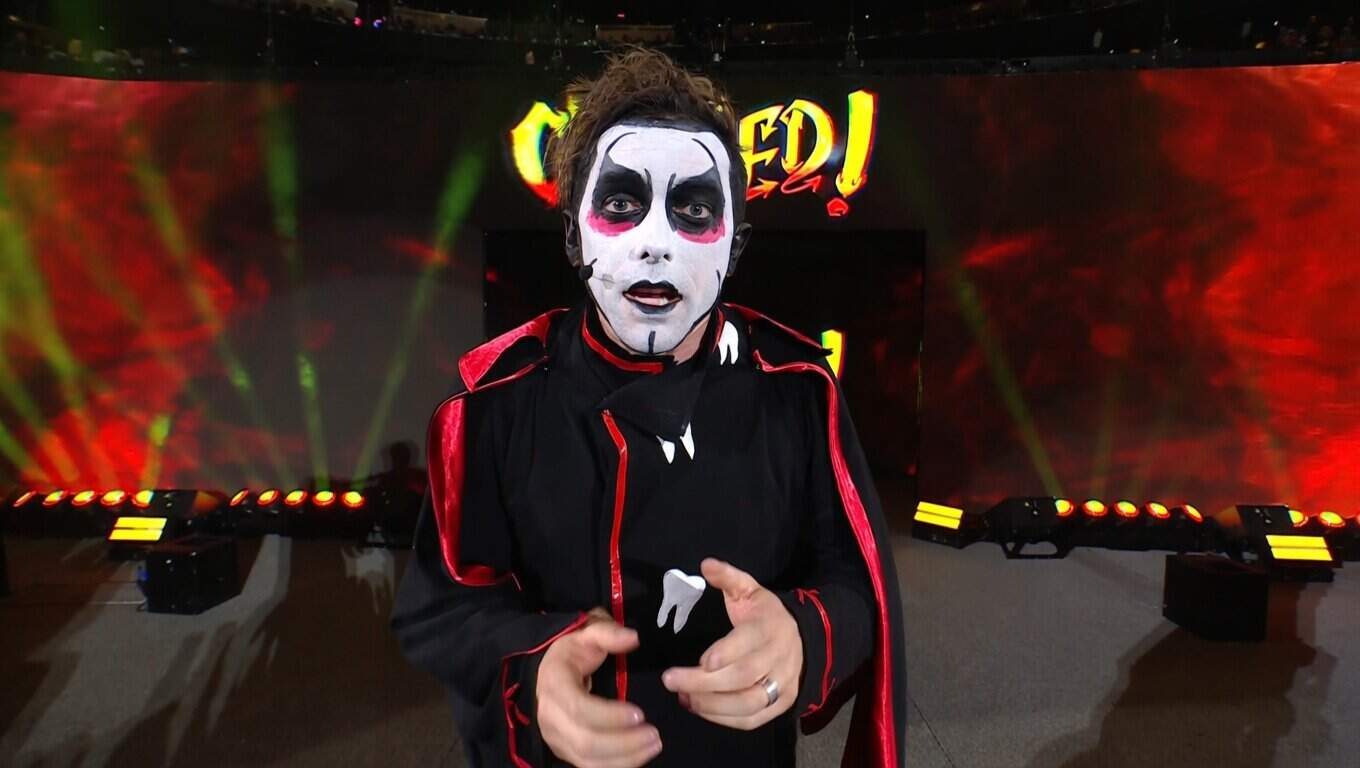
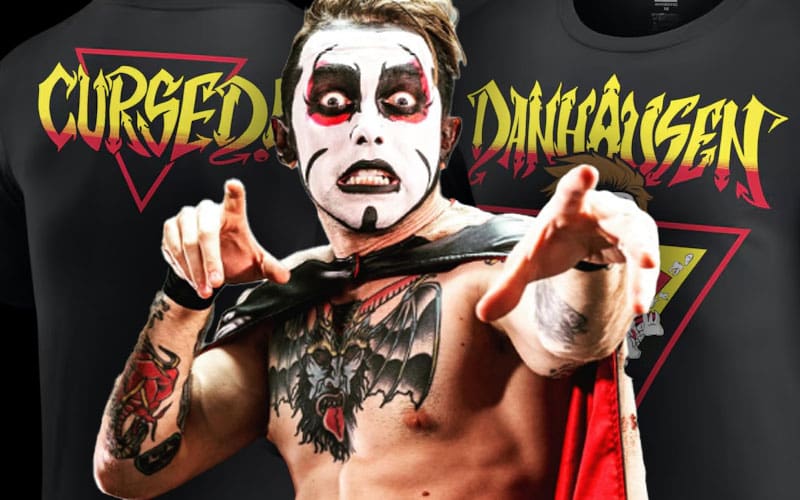
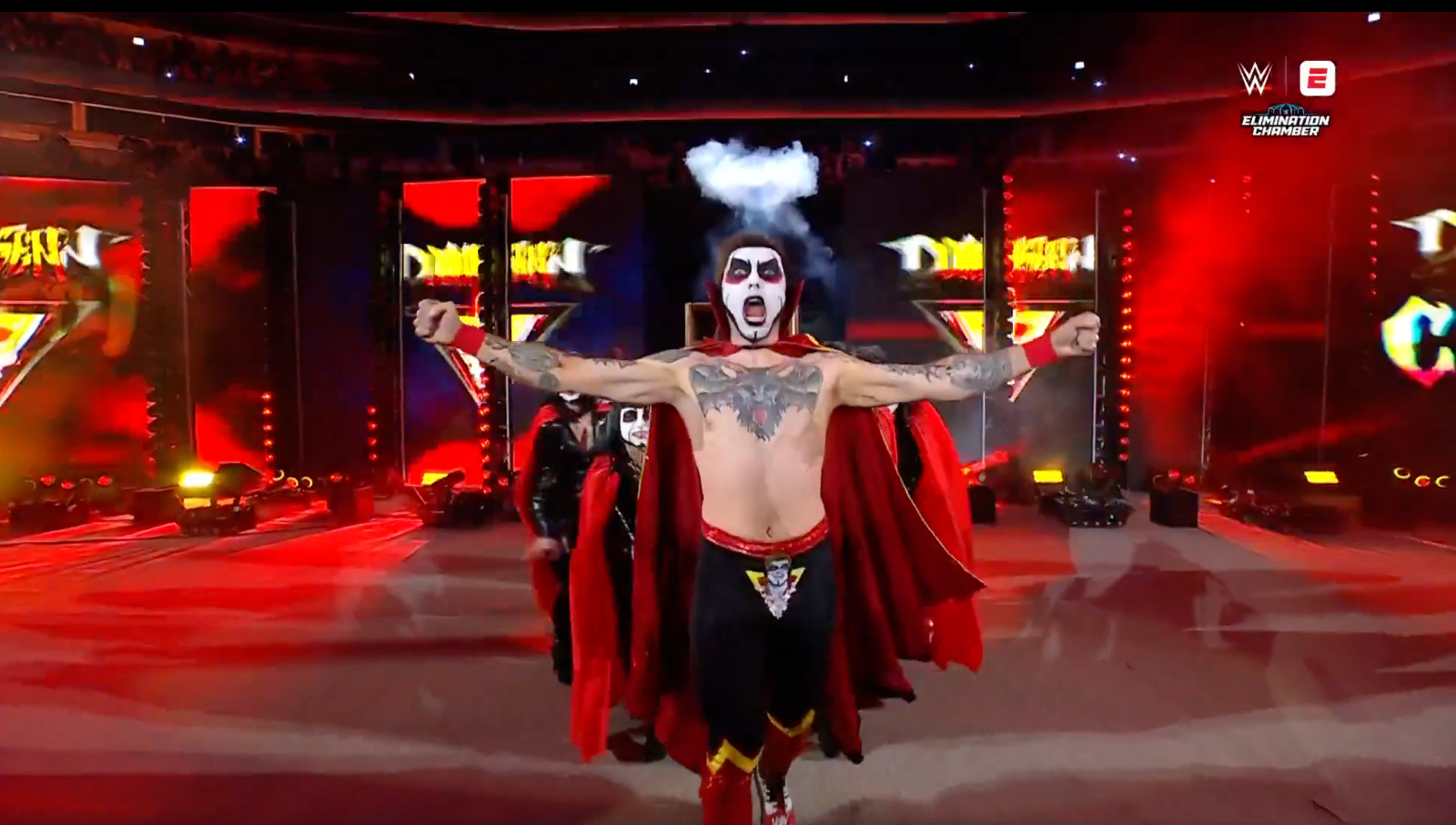
Measuring Danhausen's footprint in a new environment
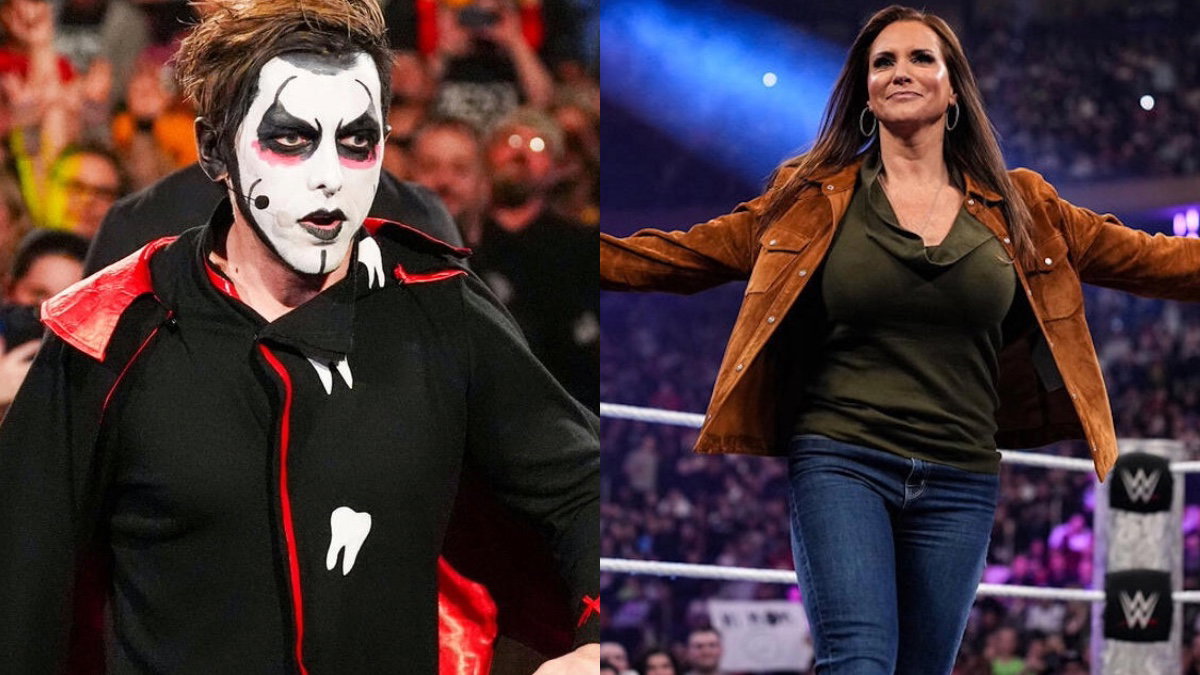
Danhausen’s unannounced arrival at WWE headquarters on April 6th carries a specific weight when contextualizing how the promotion integrates external talent. Historically, independent performers moving into the Stamford offices face an immediate conversion process, transitioning from viral social media engagement to formatted, scripted television deliverables.
We are scrutinizing this move through the lens of audience retention metrics. The recent visit documented by PWInsider provides a distinct case study. Currently, the transition from an indie brand to a major television product typically requires a 90-day acclimatization period before a performer sees a meaningful increase in quarter-hour viewership ratings.
The data behind personality-driven talent
Personality-based characters often face a high barrier to entry in WWE. Data from the last 24 months suggests that performers who rely heavily on hyper-specific character work, such as Danhausen’s distinct mannerisms and catchphrases, experience a spike in social engagement during their first 30 days. However, the conversion rate to long-term merchandise sales often plateaus after the initial 12 percent growth window if the character loses its edge.
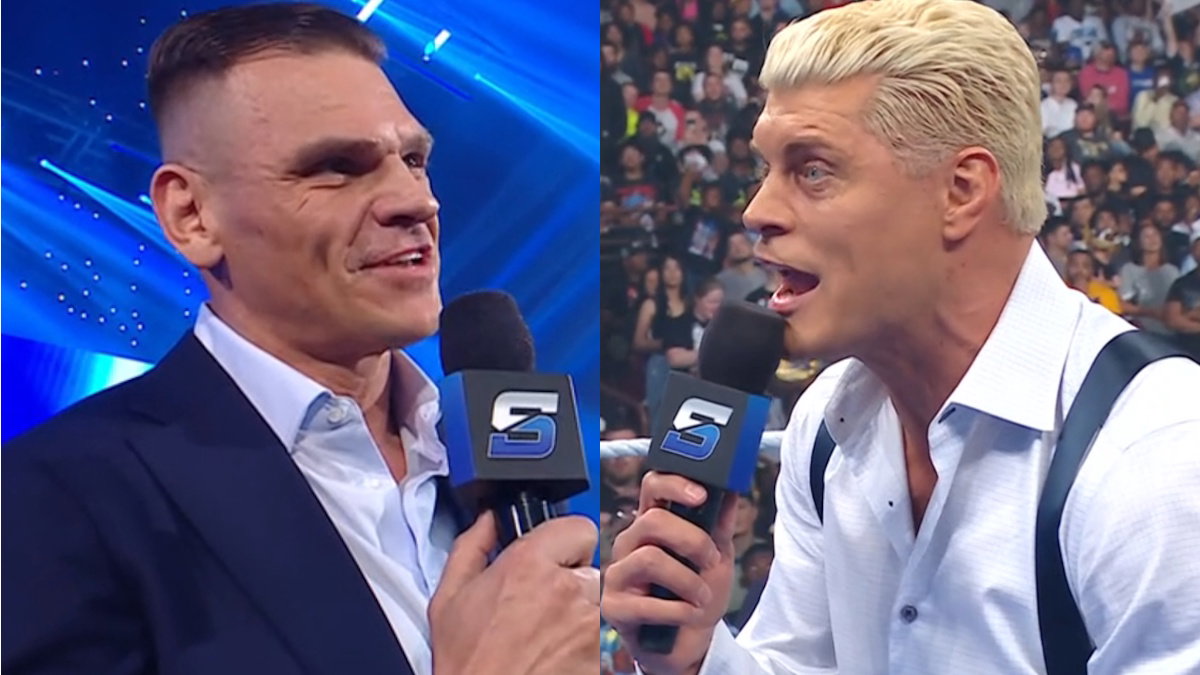
The creative team has a mixed record with this archetype. When comparing performers like LA Knight or Cody Rhodes, whose mechanics thrived immediately upon transition, the success metric often correlates directly with their ability to sustain a high-intensity promo cadence without relying on their previous independent repertoire. Danhausen presents a counterintuitive challenge: how does a character built on absurdity maintain its viral velocity while operating within the stricter time slots of RAW or SmackDown?
Logistical shifts in the Stamford headquarters
The strategic importance of this visit cannot be ignored. WWE currently monitors talent traffic more closely than at any point in the post-merger era. Every guest is logged and tracked to determine the potential ROI of a signing, balancing the cost-benefit analysis against the existing deep roster depth.
If the company intends to harness the reach of this specific profile, they must solve for the performance gap between indie-style matches and the 15-minute average match length mandated for televised mid-card bouts. The timing here is secondary to the utility. Integrating talent 13 days before WrestleMania 41 requires an immediate impact, though standard booking patterns suggest that high-profile additions usually debut in the post-WrestleMania window, a period that saw a 7 percent increase in new subscriber acquisition last year.
The risk remains that the character's intrinsic humor may be muted by the rigidity of corporate creative scripting. If the transition process forces the character to abandon the nuances that generated his initial following, the result is often a flat debut that struggles to maintain its audience reach past the initial pop. We will monitor the next several television cycles to see if this visit leads to a contract, or if it remains nothing more than a strategic exploratory meeting.