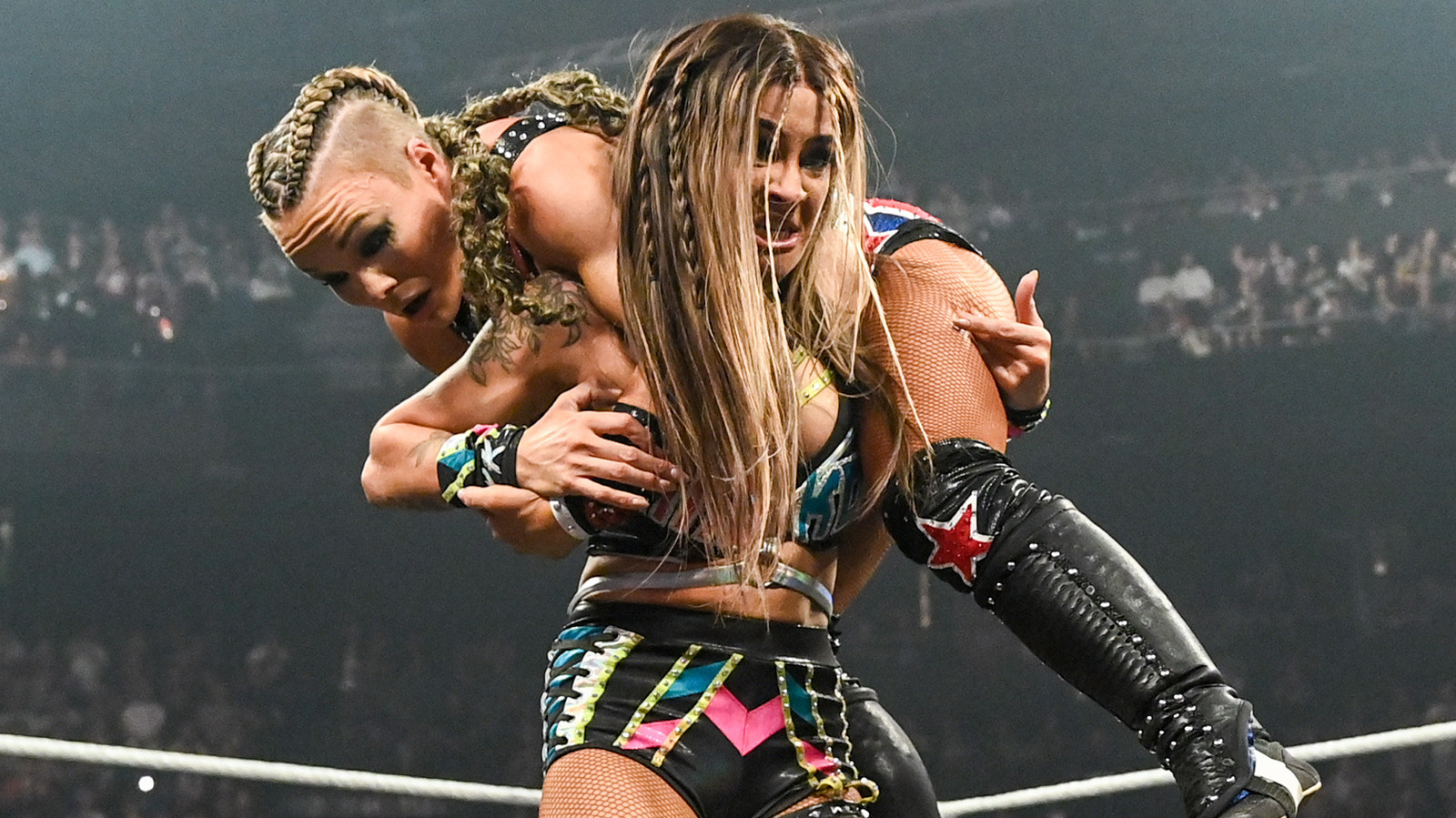
The grind is undefeated, and it usually wins
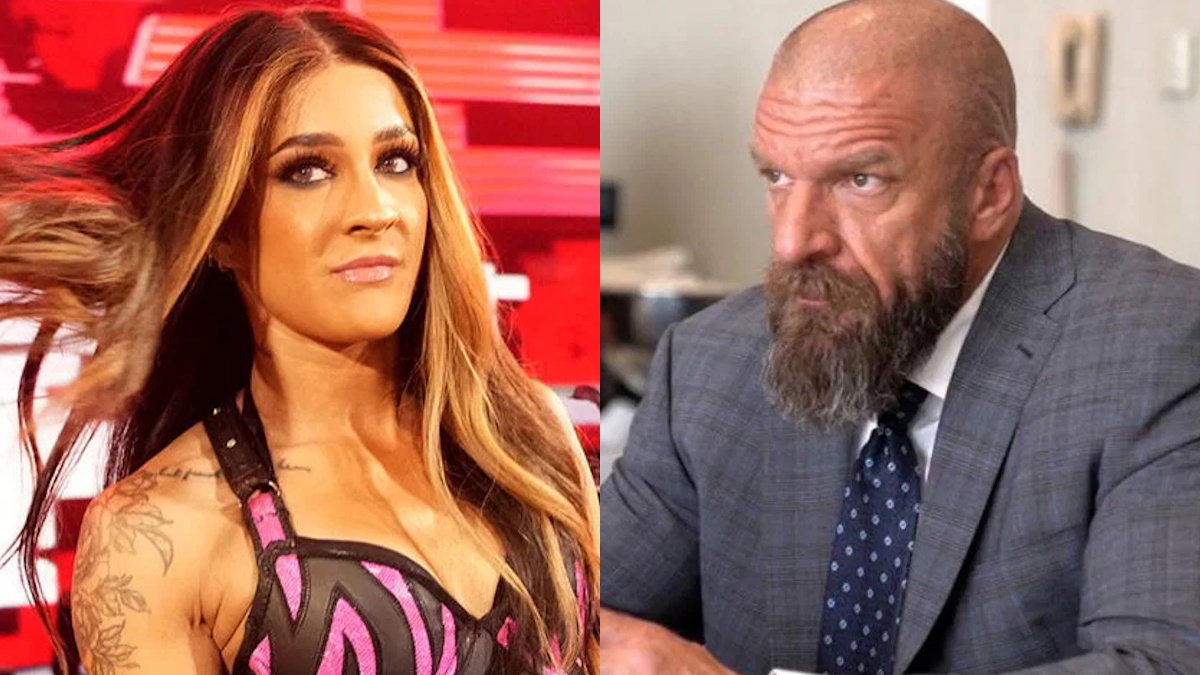
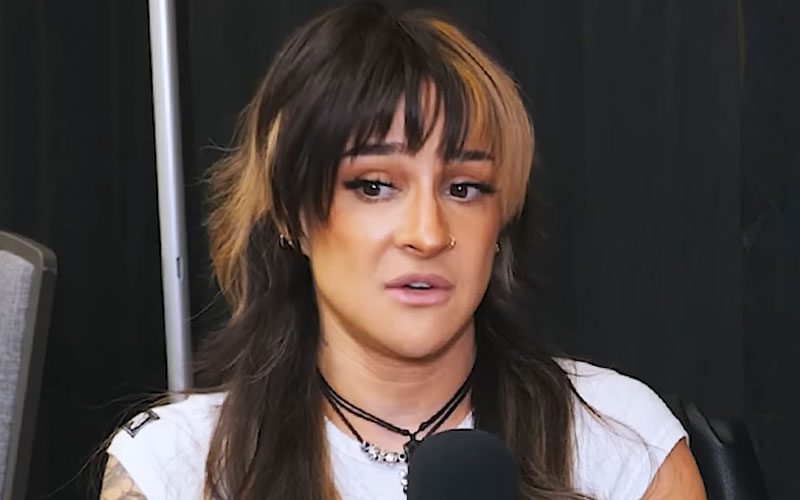
We see the social media posts. The neon lights, the pyro, the jet-setting lifestyle that looks like a permanent vacation for the top card. But professional wrestling is a meat grinder. When Dakota Kai decided to step away following her 2025 termination, she wasn't just taking a vacation. She was stepping out of a loop that forces performers to treat their bodies like rental equipment.
It is easy for fans to scream for returns on Twitter. We want the nostalgia, the surprise pop, the big entrance music. But a year of radio silence isn't a lack of ambition. It is a necessary reset for someone who spent years grinding through independent bookings and main-event televised schedules.
The damage behind the kayfabe
Let’s call this what it is: a survival tactic. When a promotion cuts you loose, the instinct is to immediately start hitting the indies to prove them wrong. You run to the nearest armory, take a bunch of dangerous bumps for low pay, and try to keep your name relevant in a world that moves faster than a 450 splash. Kai went the other way. She took a 12-month hiatus instead of burning out on the circuit.
Most talent views a release as a death sentence for their career velocity. Kai viewed it as a chance to actually remember how to be a person outside of a locker room. In an industry where one bad landing can end a career, choosing to heal—mentally and physically—is the move fewer performers have the guts to make.
I just needed to be a person again for a while.
That quote hits differently if you’ve followed the wear and tear on her in-ring style. Critics might point to the "rust factor" or the fear of being forgotten by the casual audience. I argue that the industry has enough burnt-out shells of former stars who didn't know when to pump the brakes. Taking a year off is not a weakness. It is a hedge against a forced retirement caused by long-term injury.
The road to Backlash and beyond
With Backlash 2026 looming on May 9, the talk is all about who is hot and who is fading. The audience expects a nonstop carousel of movement. If you aren't on screens tonight, people assume you are washed up. That is a toxic way to run a career.
The current booking climate demands high-frequency performance, but the human frame has limits. Kai’s decision highlights the difference between a contractor looking for a quick payday and a veteran protecting their longevity. If she comes back, she does it on her own terms, not as a desperate freelancer chasing spots.
Will the fans give her the grace to shake off the rust? Or will the impatient vultures demand peak performance on night one? I know where I’m placing my bets. Real growth happens in the dark, away from the constant judgment of the match ratings board.
Read Next
- Paul Heyman is not looking for friends, he is looking for tax write-offs
- NJPW is rolling the dice on a youth movement for Dominion
- AEW is leaning on its old guard while WWE prepares for a new Bloodline chapter
- Jacob Fatu is done waiting for his moment against Roman Reigns
- 💥 WWE Backlash 2026 — Full Coverage Hub