The ghost in the WrestleMania machine
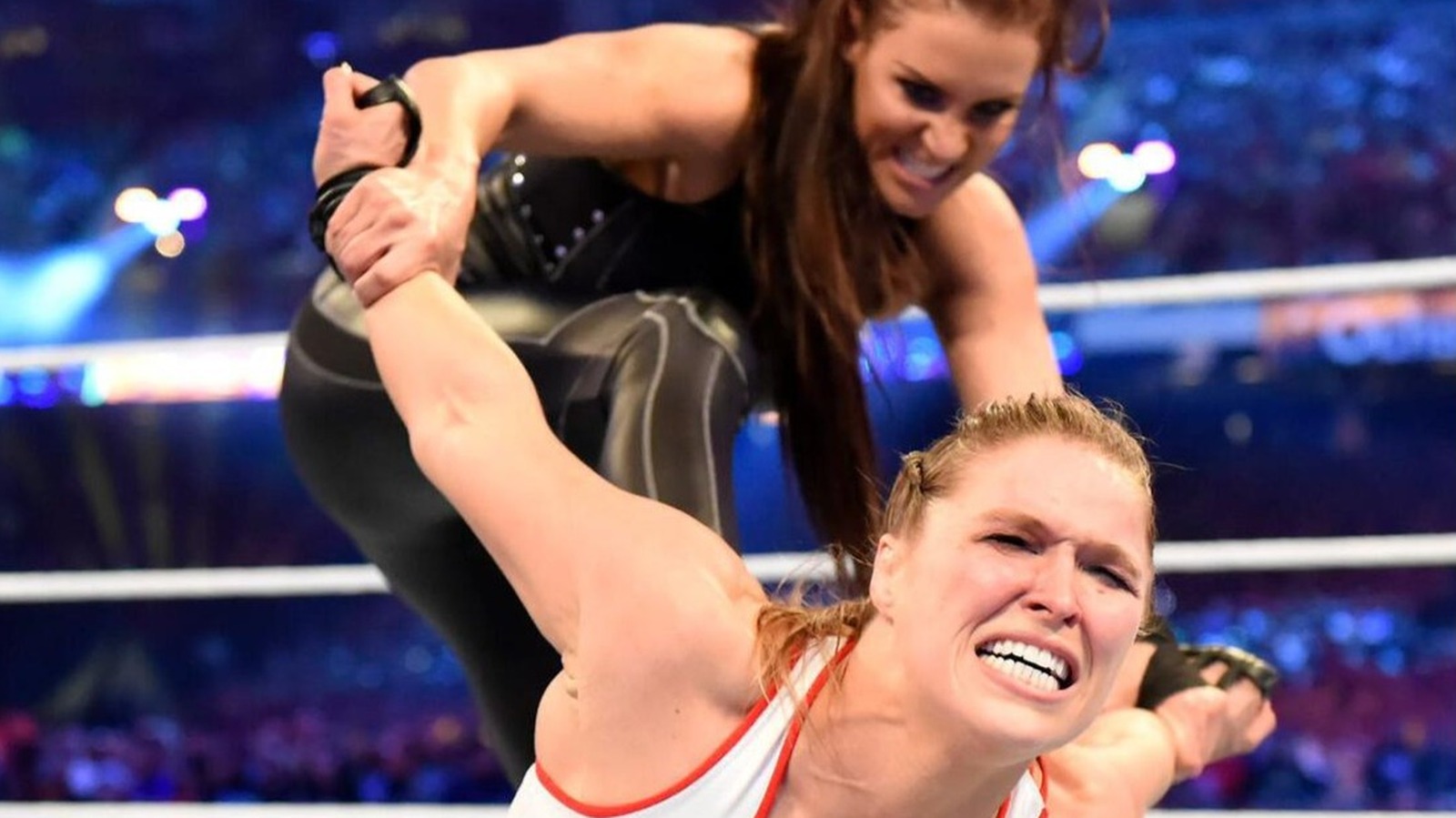
WrestleMania 34 featured one of the most mechanically sound mixed tag team matches in professional wrestling history. Ronda Rousey and Kurt Angle against Stephanie McMahon and Triple H was designed to be a circus. It was a mainstream attraction built on smoke, mirrors, and celebrity intrigue. Instead, it delivered thirty minutes of exceptional ring psychology.
The spacing was deliberate. The cut-offs were timed perfectly. McMahon, someone who wrestles once a decade, hit her marks with shocking precision. Fans credited Triple H for laying out the match. They credited Rousey for her natural aptitude. They completely ignored the person actually taking the bumps in the practice ring.
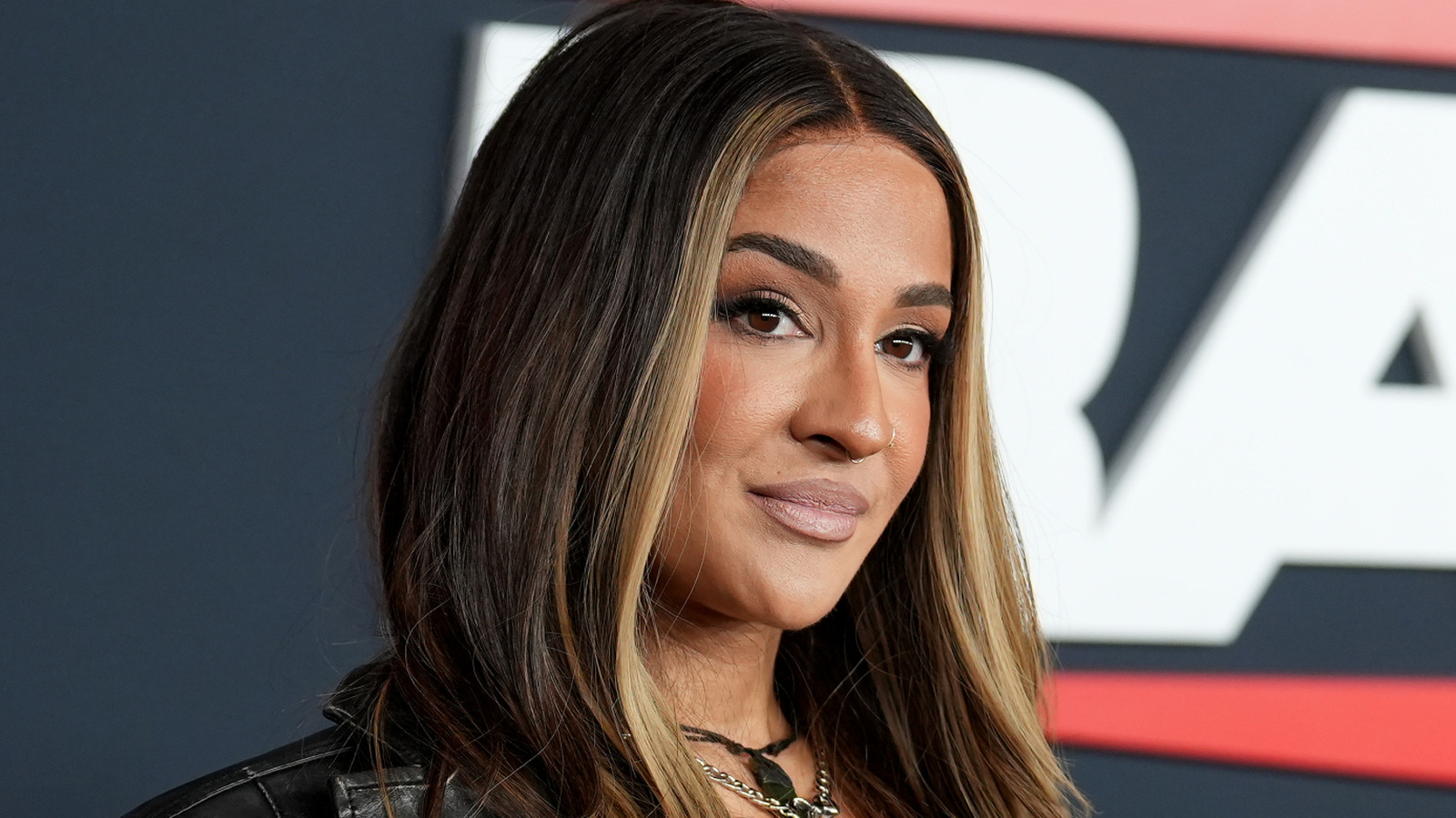
As Wrestling Inc recently reported, Dakota Kai was deeply involved in that specific training camp. The former WWE star was tasked with getting McMahon into ring shape for the biggest media crossover match of the modern era. When you watch that New Orleans bout back, Kai's fingerprints are visible on every exchange.
Building a McMahon from scratch
Training a non-wrestler for a high-profile pay-per-view match is a thankless task. The trainer has to absorb endless awkward falls, mistimed strikes, and dangerous botches. Kai was the perfect candidate for this assignment. Her body control is elite.
During her NXT run, she demonstrated an uncanny ability to map out sequences that protected her opponents while maximizing their offensive output. Analyze McMahon's primary responsibilities in that match. She needed to feed into Rousey's judo throws. She needed to take a modified armbar without hyper-extending her elbow. Most importantly, she needed to dictate the pacing during the heat segment on Angle.
Kai likely spent weeks in a quiet warehouse taking hair-pull take-downs and snap suplexes. You can see her influence in McMahon's footwork. When McMahon isolated Rousey in the corner, her base was wide. She didn't rush. That is classic Kai ring generalship. She understands that the space between the moves matters more than the moves themselves.
Analyzing the practice ring psychology
Consider the mechanics of the armbar sequence. When Rousey locked in that submission on McMahon, it wasn't a standard professional wrestling hold. Rousey applied authentic torque, forcing McMahon to understand the precise angle of escape to avoid a genuine dislocation. Kai had to serve as the instructional dummy for this.
Kai's body took the brunt of those practice repetitions. Imagine being tasked with teaching a billionaire executive how to survive a legitimate Olympian's signature move. Kai had to break down the hip movement, the grip fighting, and the facial expressions required to sell the agony. She had to teach McMahon how to bridge up, stack her weight, and create the illusion of resistance.
This is where Kai's genius truly lies. She understands the geometry of a wrestling ring. When McMahon bumped over the top rope, that was a sequence meticulously calculated for safety and visual impact. Kai would have repeatedly taken that exact bump in an empty warehouse, testing the velocity and angle until it was foolproof. It is grueling, unglamorous work. It is the kind of work that breaks bodies before the cameras even roll.
The Stardom influence on a corporate stage
To understand why Kai was chosen for this role, we have to look at her pre-WWE career. Working as Evie, she spent years taking brutal, unforgiving strikes in promotions like Stardom. Japanese wrestling prioritizes physical resilience and precise timing. You cannot survive in that environment without a flawless understanding of distance management.
When Triple H needed someone to prepare his wife for the stiff, unpredictable offense of a mixed martial artist, he didn't pick a homegrown performance center recruit. He picked the woman who had traded kicks with Mayu Iwatani. He picked the woman who knew how to make chaotic, real-world violence look controlled and cinematic.
The disconnect between this profound level of trust and her eventual main roster booking is staggering. WWE handed Kai the responsibility of protecting their most valuable corporate asset in a match watched by millions. Yet, when she debuted on Monday Night Raw, they stripped away her agency. They ignored her striking pedigree. They turned one of the smartest workers in the building into a generic lackey.
The tactical failures of Damage CTRL
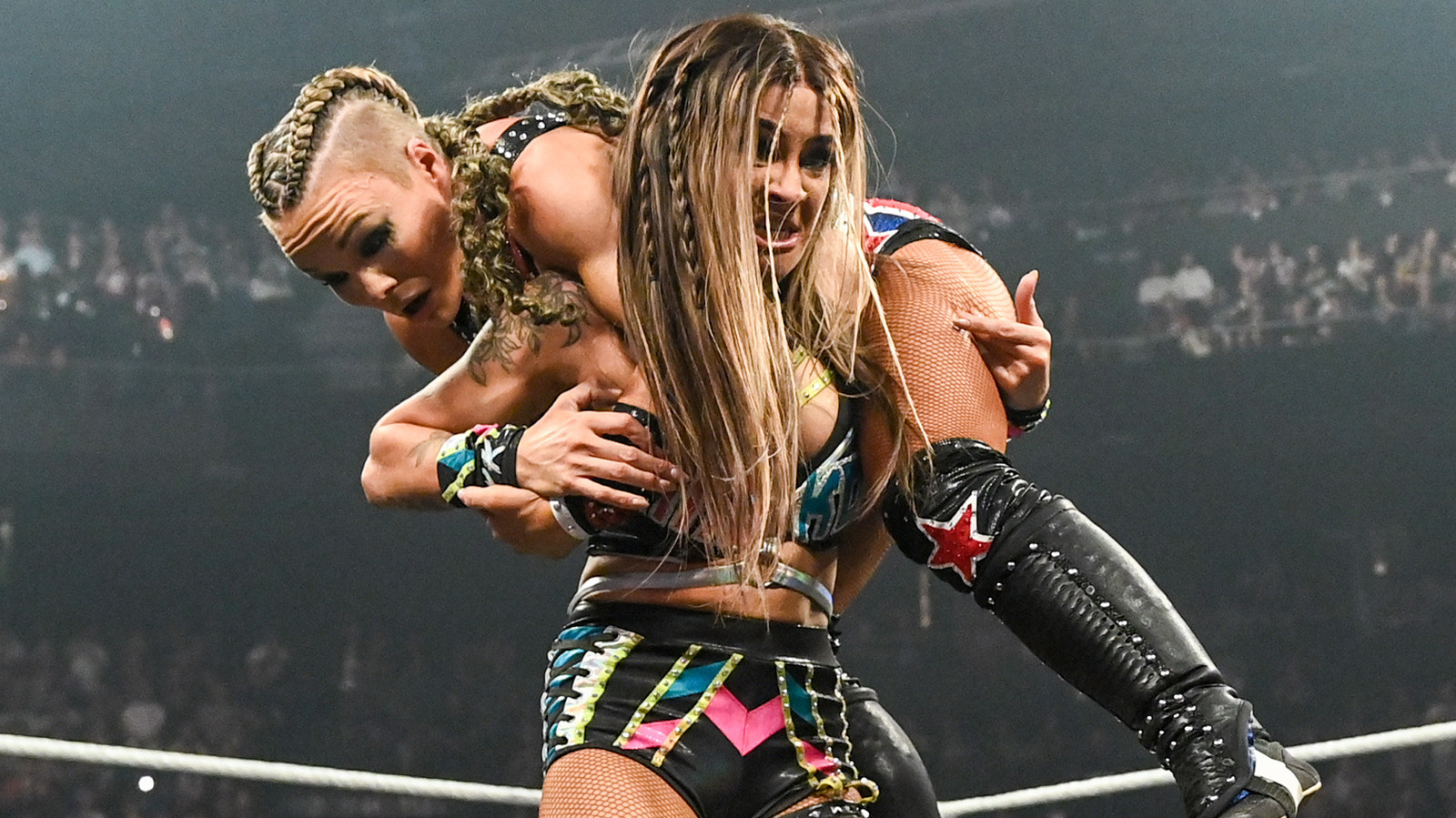
The handling of Damage CTRL is a masterclass in missed opportunities. The faction was designed to dominate, but it frequently fell into repetitive booking traps. Kai was the workhorse of the group. If there was a multi-woman match, Kai was the one organizing the spots, taking the heavy bumps, and ensuring the timing held together.
Watch her footwork during those chaotic six-woman tag matches. She is constantly shifting, verbally calling out positions, and physically pulling opponents into the correct camera frame. She was the floor general. Unfortunately, the casual audience rarely notices the floor general. They notice the person who hits the finishing move.
This is the harsh reality of modern television wrestling. The industry punishes selflessness. By focusing entirely on making her partners and opponents look spectacular, Kai sacrificed her own aura. The writers saw a supporting character, entirely missing the fact that she was writing the script inside the ring.
We saw the same pattern with artists like Tyson Kidd or Cesaro in their early runs. The front office leans on you to fix sloppy matches, but they never view you as the marquee attraction. You become the mechanic, destined to stay in the garage while others drive the cars you built.
The irony of the release
Here is the frustrating reality of WWE's developmental structure. Management clearly recognized Kai's profound understanding of match mechanics. You do not trust a rookie to protect the Chief Brand Officer unless you have absolute faith in their technical execution.
Yet, when it came time to utilize Kai on the main roster, that same management team booked her as a secondary henchman. Her run alongside Bayley and Iyo Sky in Damage CTRL featured flashes of brilliance, but she was consistently relegated to three-minute television matches. She was the bump machine. She was the worker bee making the stars look good.
WWE's tendency to pigeonhole exceptional technical wrestlers into enhancement roles is a structural flaw. Kai was eventually released, rendering her a former WWE star. It is a glaring misallocation of resources. You have a performer capable of quietly orchestrating a main event spectacle, and you throw away her prime years on kickoff shows.
The negative takeaway here is how invisible this work remains. The industry praises the finished product but rarely acknowledges the effort beneath the surface. Kai sacrificed her own physical capital to ensure McMahon looked like a legitimate threat on a global stage. The reward for that loyalty was a severely mishandled main roster tenure.
The burden of the bump-taker
Wrestling relies on the generous performer. The person who runs into the corner a fraction of a second early to make the splash look devastating. The person who arches their back on a suplex to add extra height. Kai mastered these micro-adjustments.
Look at her NXT matches against Shayna Baszler. Kai made Baszler look like a cold-blooded killer. She sold the joint manipulation with genuine panic. She scrambled to the ropes with a desperation that forced the crowd to invest. That is the exact energy she had to teach McMahon to project when facing Rousey.
McMahon's performance at WrestleMania 34 was heavily praised. She sneered, she taunted, and she bumped aggressively. None of that happens without Kai pushing her in the performance center. The fact that WWE let Kai slip through their fingers speaks to a front office that fundamentally undervalues the glue holding their matches together.
Looking at the 2026 scene
Surveying the current wrestling environment in May 2026, the demand for competent ring generals is at an all-time high. With WWE Backlash just five days away on May 9, you can see the gaps on the card where a worker of Kai's caliber is desperately needed. The mid-card women's division often struggles to string together cohesive, psychologically sound twenty-minute bouts.
When you lose a talent like Kai, you do not just lose a character. You lose a fundamental pillar of the locker room. You lose the person who can step into the ring with a green rookie and drag a watchable match out of them. You lose the person who can safely test a celebrity guest.
The upcoming events over the next few months will highlight this void. The product looks glossy, but occasionally the mechanical seams show. When a transition looks clunky, or a sequence breaks down, that is when you feel the absence of the workers who quietly orchestrate the chaos. The main roster is paying the price for letting their best technicians walk out the door.
Prediction: The inevitable resurgence
Dakota Kai is now a free agent in a market starved for experienced ring generals. Her departure from WWE is not a career death sentence. It is the removal of a low ceiling.
My prediction is simple. By the time AEW Double or Nothing 2026 arrives later this month, Kai will have completely reinvented herself on the independent scene or in Japan. She will return to the aggressive, kick-heavy style that made her a standout in Stardom.
She will sign a major contract before the end of the year, and within eighteen months, she will hold a singles championship on a nationally televised program. WWE management will watch her put together Match of the Year candidates and realize they had the perfect architect in their building all along. They just chose to use her as a punching bag.
Read Next