ThunderDome era secrets reveal scrapped NWO revival
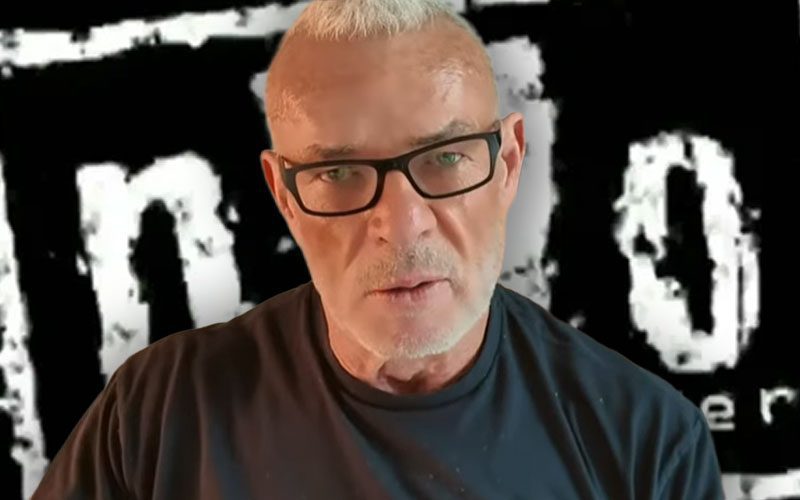
Chris Dunn, a former writer for WWE, recently confirmed that the company moved deep into the planning stages for a modern iteration of the NWO during the ThunderDome era. The creative team aimed to recapture the faction's anarchic energy to combat the unique constraints of pandemic-era television. Fans who recall the isolation of that period will remember the experimental booking, but these specific plans never moved from the writer's room to the broadcast.
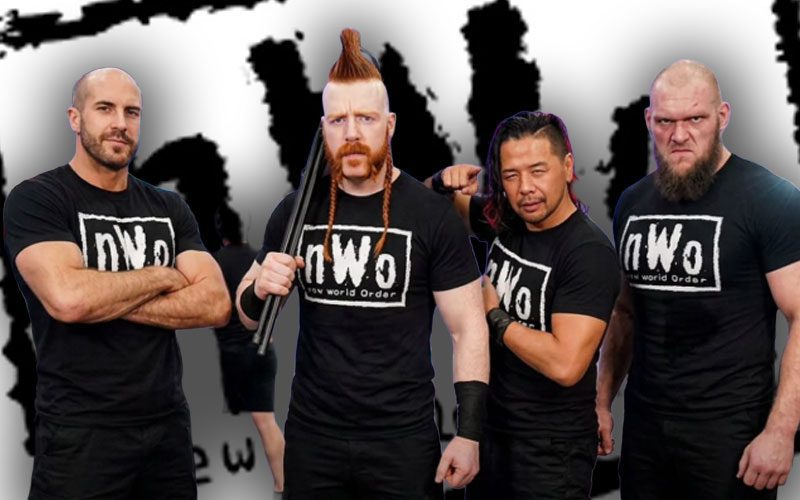
The internal proposal specifically targeted high-level talent to anchor the group. The aim was to move away from the traditional, nostalgia-heavy booking of former WCW stars and build around active, high-workrate performers like Sheamus, Cesaro, and Shinsuke Nakamura. This grouping would have shifted the group from a legacy act into a stable designed to challenge the brand supremacy structure of the time.
Why the revival stalled at the finish line
The core issue for the project was the fundamental disconnect between the NWO name and the wrestlers selected for the rebrand. Sheamus and Cesaro operated best as physical, hard-hitting brawlers who relied on European-style technicality and heavy striking. Grafting the tropes of a 1990s splinter faction onto performers whose identities were firmly rooted in smash-mouth wrestling created significant internal friction.
As Wrestling Inc recently documented, the sheer logistical hurdles of the ThunderDome meant testing new creative concepts often occurred in a vacuum. Without a live audience to validate the heel heat of a new group, the move was deemed too high-risk by senior management. The group was effectively shelved before a single black-and-white shirt reached the merchandising department.
Probability and outlook for the brand legacy
While the NWO remains one of the most bankable trademarks in wrestling history, the probability of a genuine revival in 2026 is extremely low. WWE leadership has largely pivoted toward long-form, character-driven stables that prioritize original naming conventions. Relying on an IP as tired as the NWO would likely invite backlash from a fanbase that has grown accustomed to the current era of original faction building.
The creative direction of current champions suggests that the company is uninterested in re-litigating history. Using a group like the NWO today would require a total reinvention of their presentation, likely resulting in a watered-down version of the original. Sources suggest that WWE prefers to invest in newer brands like the Bloodline or ongoing developmental projects rather than digging through the 90s archive for potential pillars.
The expected impact of a potential, albeit unlikely, return
Should the company ignore these warnings and move forward with an NWO rehash, the impact would be purely transactional. It would drive short-term merchandise movement among legacy fans but likely alienate the younger demographic that defines the current viewership. We would almost certainly see lazy booking, with the faction potentially taking a backseat to established stars within two months of a high-profile debut.
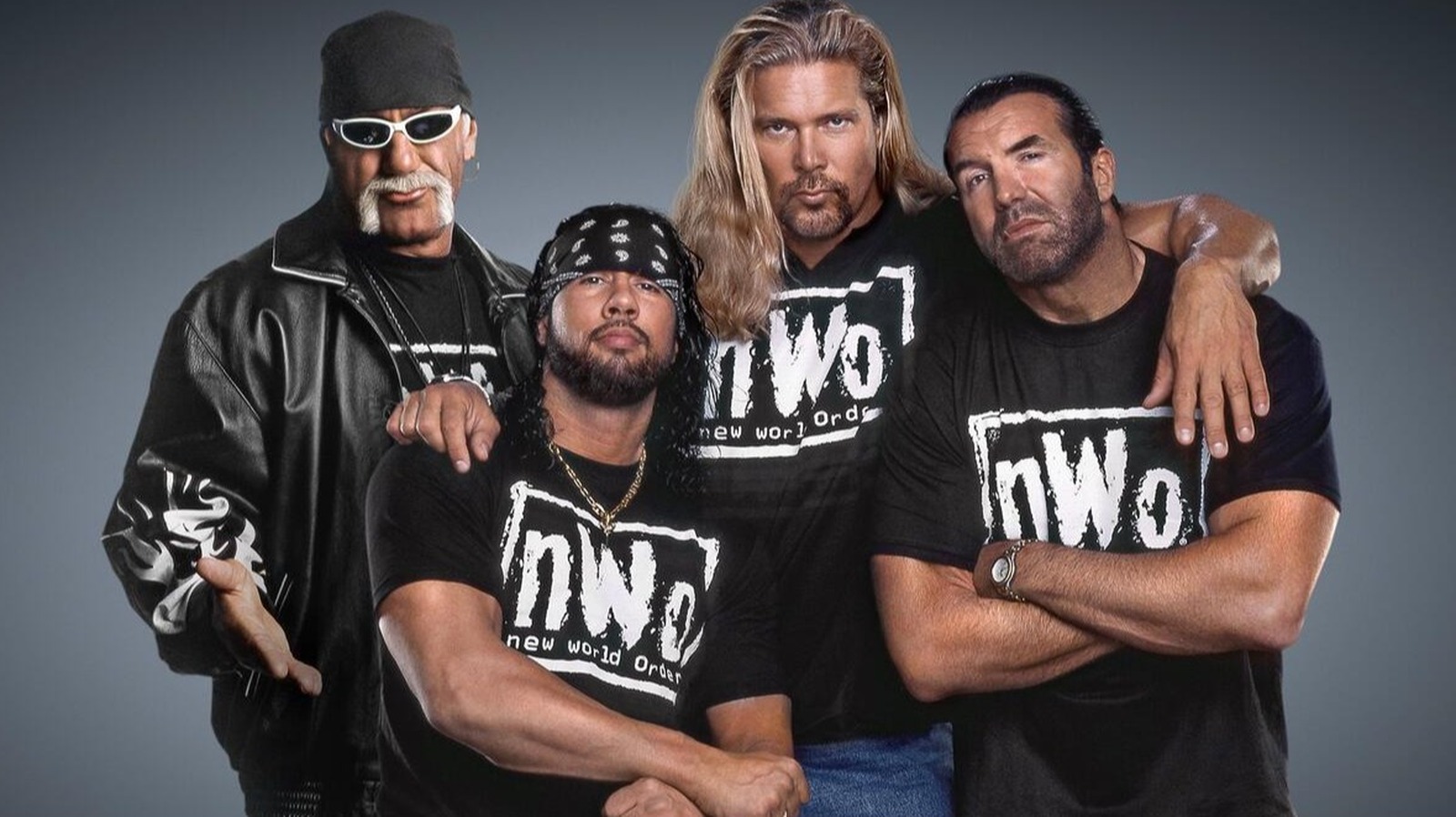
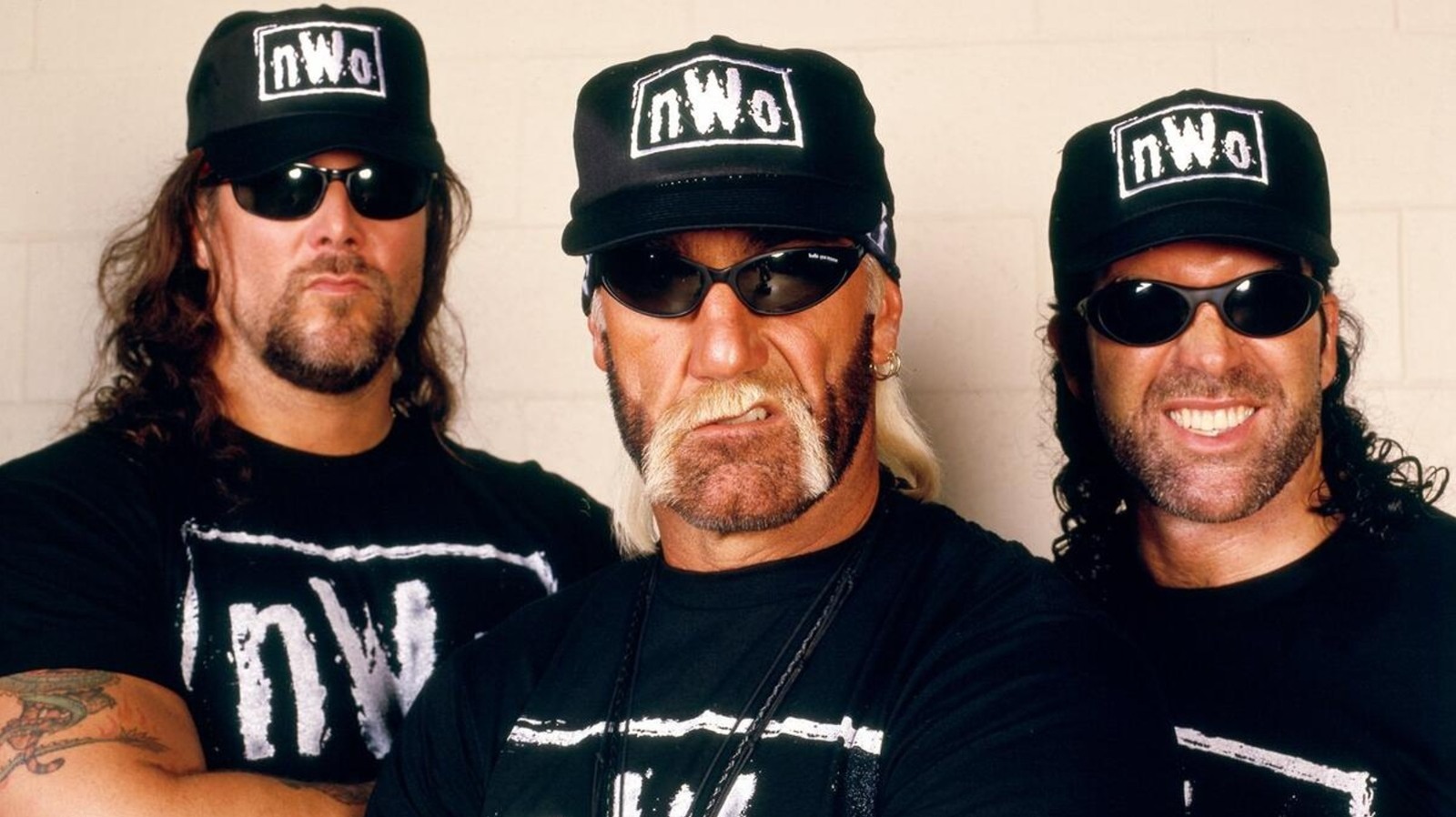
The biggest risk remains the unavoidable comparison to the original group. Any new iteration would be measured against the Hulk Hogan heel turn and Scott Hall and Kevin Nash’s original impact on the industry. When you are operating in the shadow of the definitive faction shift in wrestling history, you are fighting a losing battle for relevance. The most successful path forward for WWE is to continue ignoring the old playbooks and focusing on current talent development.