The shift in streaming priorities
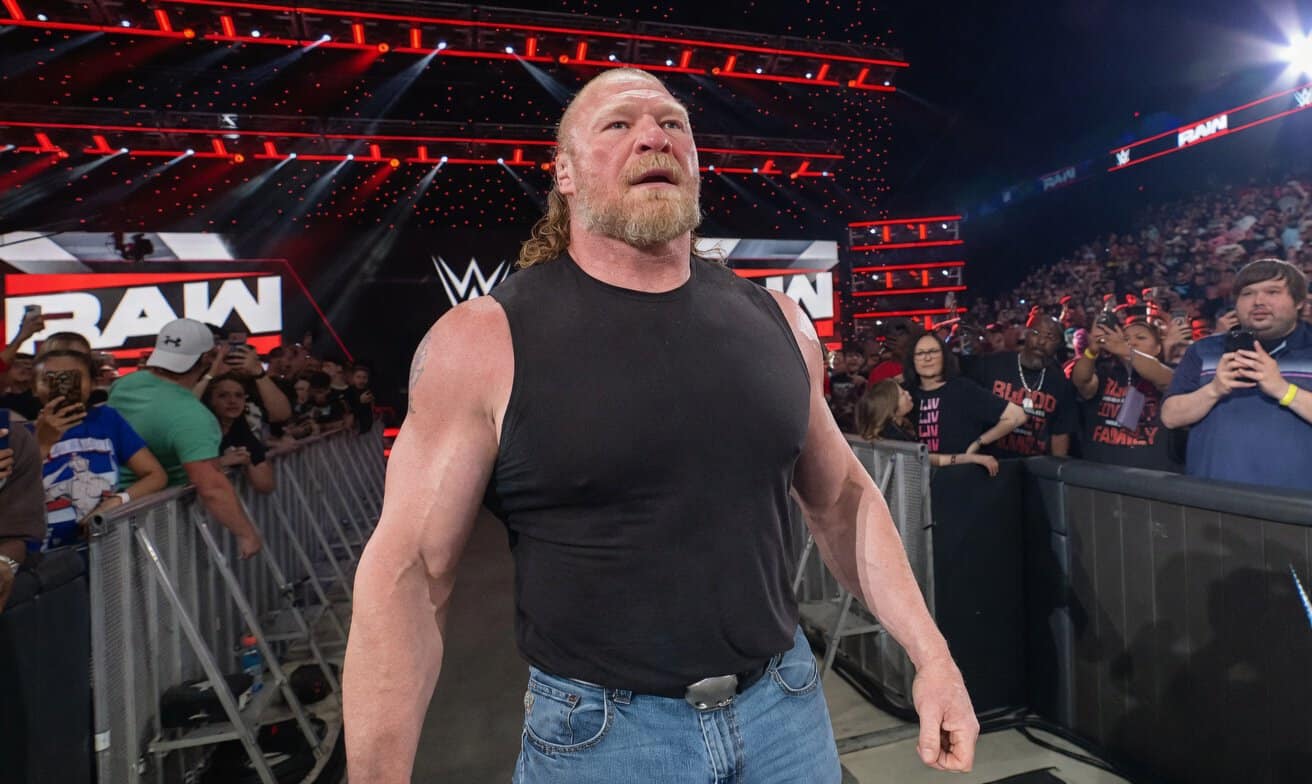
WWE is currently processing the data from its May 25 episode of Raw aired on Netflix. According to recent reports from PWInsider, the transition between traditional cable metrics and global streaming analytics is causing a re-evaluation of how talent is scouted and deployed. The platform prioritizes high-impact crossover appeal over the long-form storytelling that defined the USA Network era.
This shift makes certain established independent stars attractive in unique ways. The industry is currently buzzing about the potential acquisition of high-profile free agents known for their viral ability on social media. Netflix requires programming that trends instantly on X and TikTok during the broadcast window, not just three days later via YouTube clips.
The target profile
Current speculation centers on wrestlers who can transition into mainstream pop culture roles. If a wrestler has a background in acting or professional esports, they are currently at the top of WWE internal acquisition lists. The promotion needs individuals who bridge the gap between niche wrestling fans and the broader demographics Netflix reaches globally.
Industry chatter suggests the company is looking for performers who can sustain high-intensity character work without relying on 20-minute verbal promos. The focus is drifting toward athletic, visually distinct performers who look like legitimate stars in compressed, high-definition streaming formats. The days of signing long-term technical specialists for developmental leagues are losing momentum inside the front office.
The creative disconnect
Not every prospective signing fits this new digital-first mandate. Critics within the industry point out that focusing solely on viral potential risks alienating the core audience that pays for monthly subscriptions. If a wrestler is signed purely for their visual look or social media reach, the actual match quality often suffers during live broadcasts.
The May 25 metrics show that retention rates fluctuate when the pacing slows down. A technical master who executes a flawless Dragon Screw or a nuanced transition into a crossface might struggle to find airtime if that segment doesn't drive immediate engagement. The risk is an audience that is visually stimulated but emotionally detached from the actual in-ring competition.
Evaluating the probability
The probability of WWE pivoting aggressively to this strategy is high. As the company gathers more data from its streaming partners, the booking sheets will reflect what the algorithm demands. Expect to see fewer signings of traditional journeymen and more pursuit of personalities with established, cross-platform followings.
The expected timeline for this shift in talent acquisition is the final quarter of 2026. This aligns with standard contract expiration cycles across the industry. Sources suggest that recruiters have been told to ignore traditional metrics for specific open slots and focus entirely on streaming-friendly demographics.
Expected impact
If this strategy takes hold, the immediate result will be a faster-paced, more visual product. Fans should notice more high-flying spots and simplified character motivations designed to translate across language barriers. The downside remains the potential loss of character depth, as performers are incentivized to play to the algorithm rather than the crowd.
Expect to see more surprise appearances of celebrity-adjacent talent at upcoming premium live events. The goal is to maximize the reach of the Netflix platform before the end of the year. The wrestling industry watches the quarterly subscriber growth; WWE is betting that these new acquisitions will move the needle for the streaming giant.