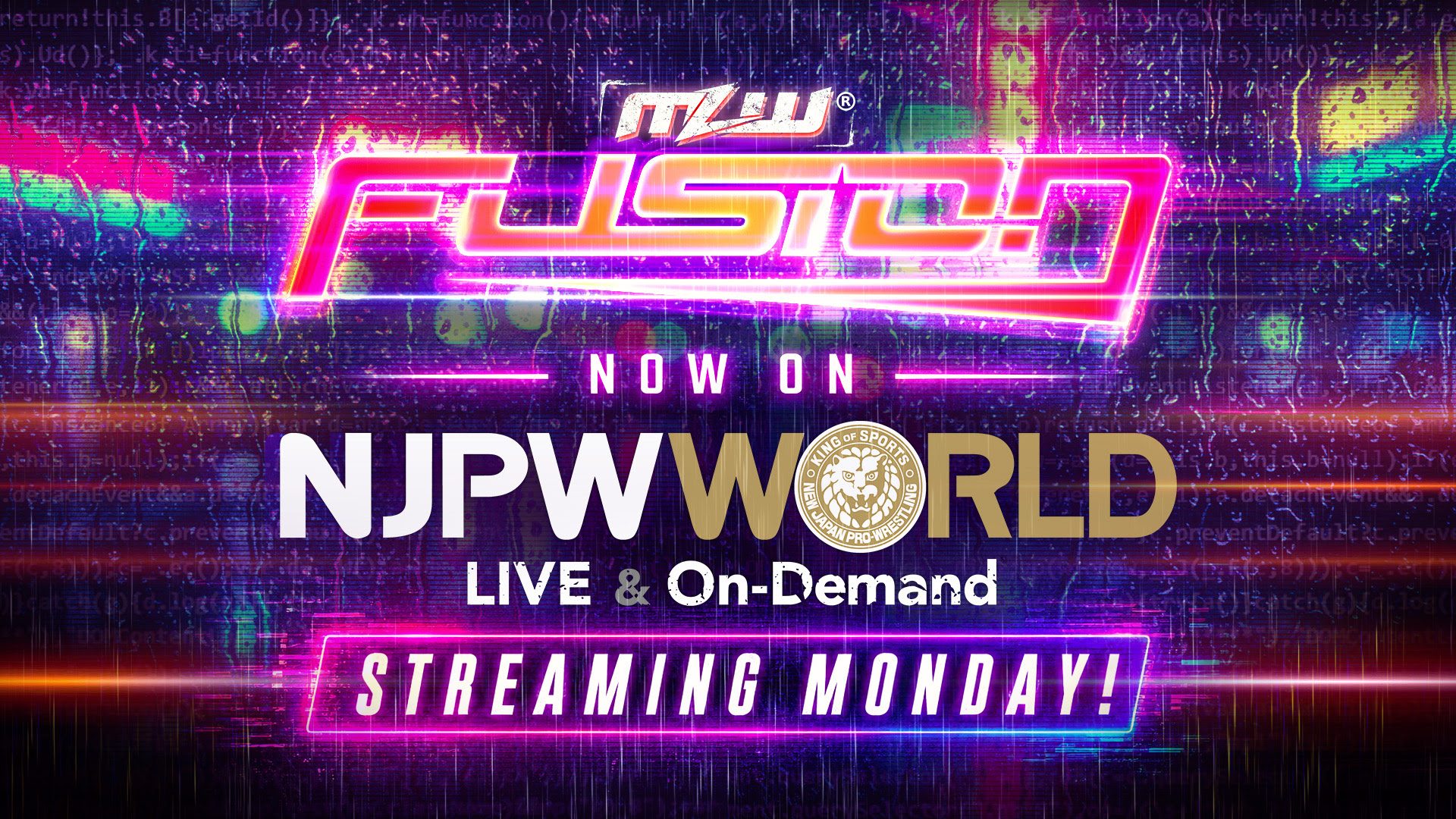
The new deal opens doors for cross-continental movement
Major League Wrestling and New Japan Pro-Wrestling have officially linked up. Starting June 22nd, 2026, the MLW Fusion broadcasts will be available on the NJPW World streaming platform. This logistics agreement is a tactical shift for both promotions as they attempt to consolidate their digital reach.
While the initial announcement focuses on content distribution, the history of professional wrestling suggests these partnerships rarely stay trapped behind a screen. When two promotion rosters land on the same platform, the friction between them eventually generates movement. The immediate implication is a pathway for talent to work in both Tokyo and the US.
Why this deal creates an immediate talent vacuum
NJPW currently occupies a specific tactical space, often relying on domestic mainstays alongside a rotating cast of western gaijin talent. MLW, conversely, maintains a high-intensity, gritty style that contrasts sharply with the refined technique typically found in the G1 Climax or Best of the Super Juniors. This stylistic variation is exactly why the prospect of a loan move is enticing.
Consider an MLW star like Minoru Suzuki, who holds legitimate cross-promotional credibility. If Fusion producers want to elevate their brand, they could feature NJPW heavyweights in marquee spots. Conversely, younger MLW prospects could find that 8-week excursion blocks in Japan provide the refinement they lack while working domestic indie circuits.
The creative bottleneck remains a factor
Booking cross-promotion talent is a logistical nightmare. NJPW officials are notoriously protective of their top-tier stars during major tournaments. Any loan deal would likely be restricted to mid-card talent or freelancers already operating on the fringes of the Japanese scene. There is a high risk that the partnership results in nothing more than content sharing while the rosters remain stagnant.
We have seen these digital platforms facilitate synergy before without ever leading to a physical match. The danger is that fans expect a Dream Match at Korakuen Hall only to receive a library of archival footage. If MLW Fusion is essentially used as a supplementary catalog for NJPW subscribers, the hype regarding a talent exchange will vanish quickly.
The strategic benefit for MLW
MLW gains an immediate exposure boost by landing on a dedicated wrestling streaming service. Their brand awareness in the Japanese market has hovered near zero until now. By appearing on a platform alongside established legends, their performers gain a legitimacy that standard television deals often fail to provide.
NJPW benefits by filling the gaps in their calendar with consistent weekly content. NJPW World needs volume to compete with other streaming aggressive promotions. If the viewership metrics trend upward, the next logical step is a series of co-promoted cards.
Probability and outlook
I anticipate the first collaborative match or loan announcement will occur within the next six months. The platforms are ready. The contracts are already flowing between Tokyo and the US base of MLW. It would be a waste of resources not to utilize the talent crossover capability provided by this deal.
However, do not mistake a streaming deal for a full-scale talent merger. Expect sporadic appearances rather than permanent roster shifts. The most likely scenario involves a wrestler from the MLW roster participating in a Super Jr. Tag League or a similar tournament. A high-profile star signing an exclusive deal between the two is extremely unlikely given the distinct corporate structures of both companies.
The impact of this deal rests entirely on the execution of the crossover matches. If they start trading talent for high-stakes bouts, the mid-card of both promotions becomes infinitely more interesting. If they stick to just streaming library content, it remains a smart business move that changes virtually nothing about how we watch the product in the ring.