The road to Night of Champions hits a serious speed bump
Monday night in Des Moines offered a frustrating glimpse into the current state of the flagship brand. With Night of Champions looming, the creative direction felt disconnected from the urgency usually associated with a pay-per-view lead-up. The broadcast prioritized lengthy recaps over meaningful progression, leaving the core feuds feeling stagnant.
Technical issues plagued the opening segment, dampening the impact of the return announcement. When the crowd cannot hear the promo, the momentum dies instantly. It was a chaotic start that the production team struggled to salvage for the remainder of the three-hour block.
The highlights from a mixed bag
The standout sequence involved the mid-card talent scramble. Seeing fresh faces rotate through the main event picture provided a necessary injection of energy. Execution during the ladder-style chaos was crisp, proving that the roster depth remains the company's only real shield against bad scripts.
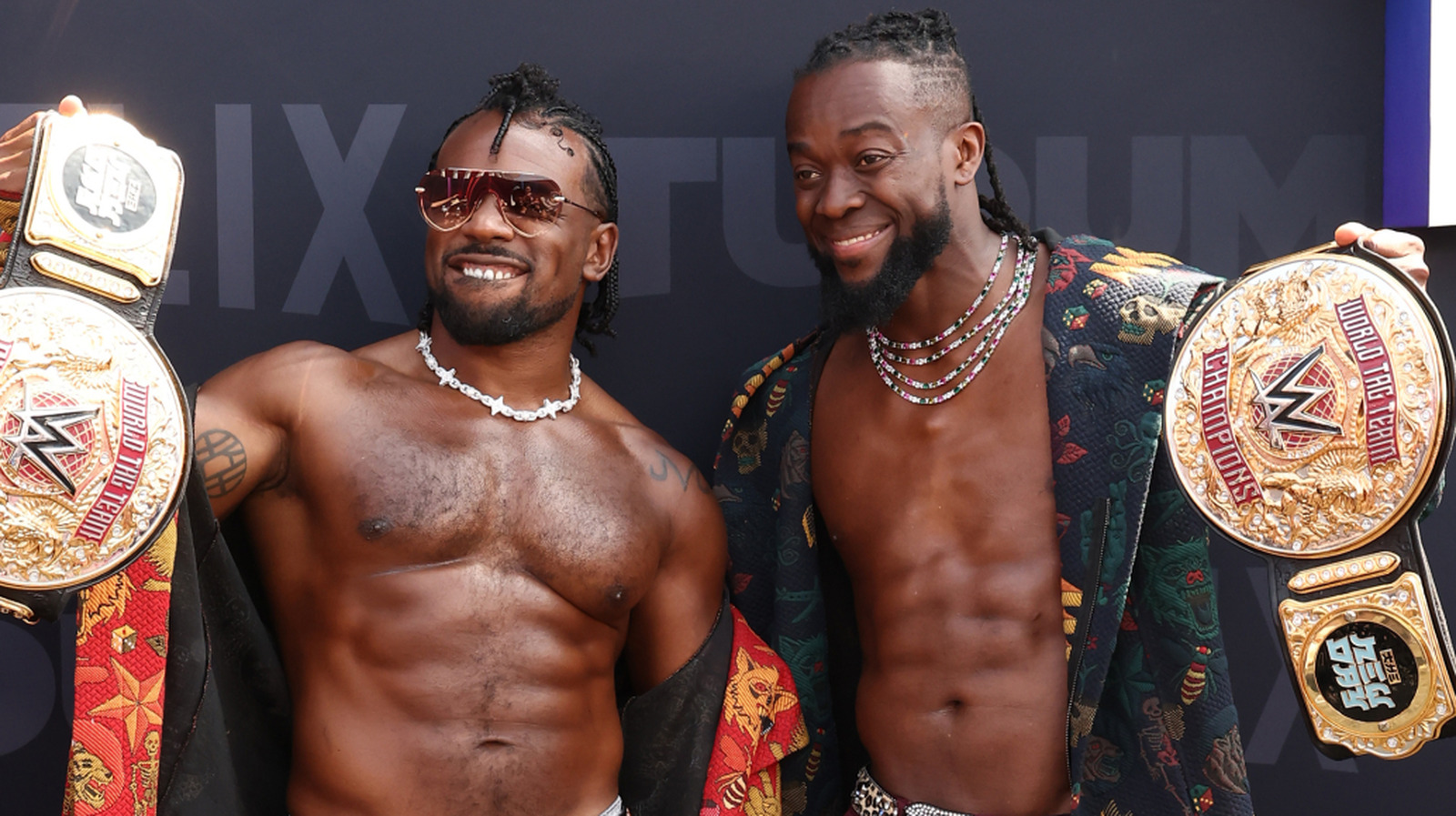
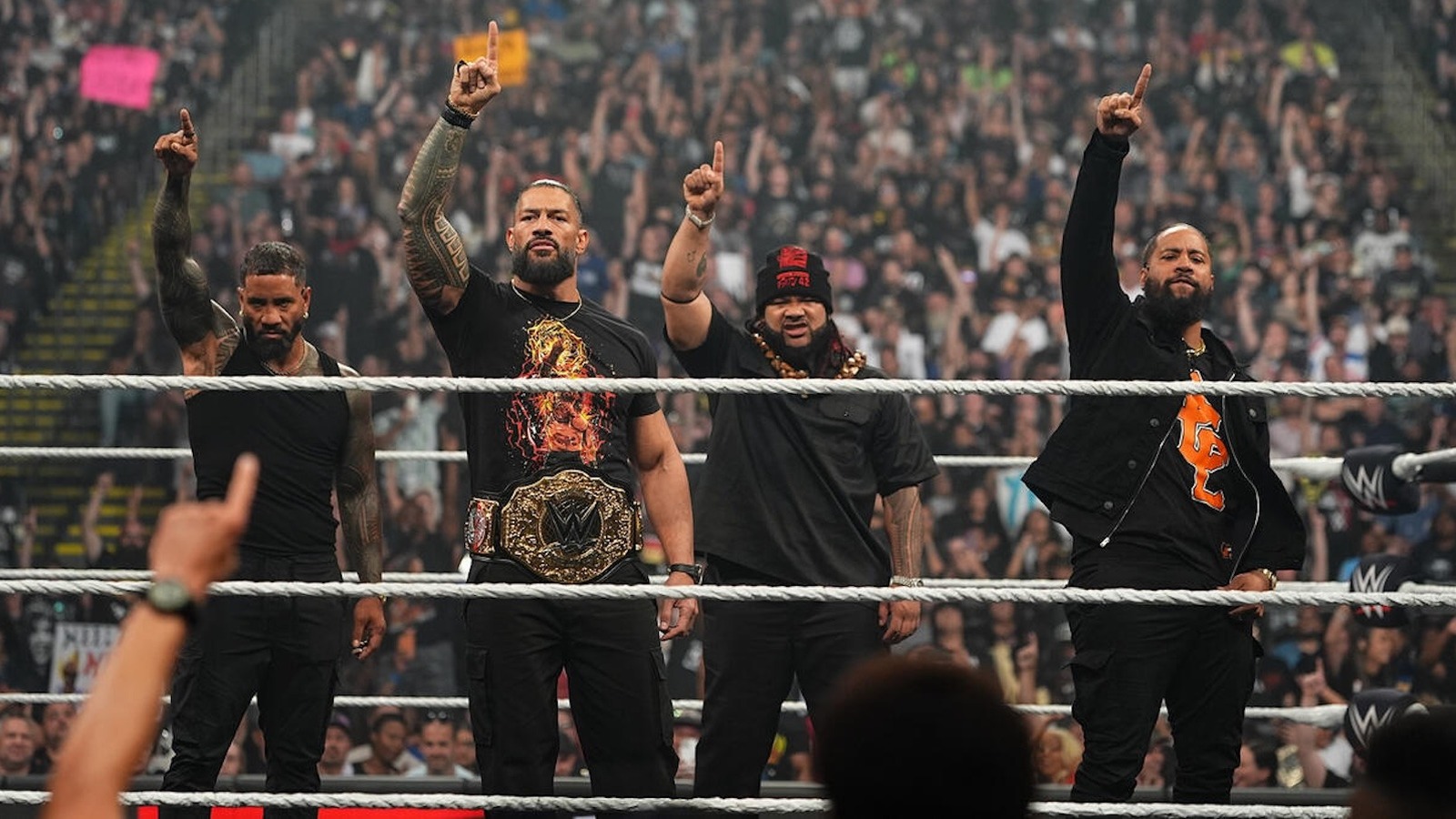
The energy inside the arena was undeniable whenever the tag team division took the spotlight, but the booking lacked a payoff in the closing hour.
That specific quote from the broadcast team reflects the sentiment of the viewing audience. While the work rate inside the squared circle was fine, the lack of a definitive outcome in the main event meant that the viewers walked away without a clear direction. Booking a non-finish in consecutive weeks turns fans into skeptics rather than believers.
Where the creative team missed the mark
The most glaring error was the decision to cut the women's championship showcase. Reducing a potential show-stealer to a backstage segment feels like an outdated practice that actively hurts talent equity. Fans want to see the performance, not the walk to the catering table.
As Wrestling Inc noted in their breakdown, the insistence on padding time with repetitive video packages is eating into internal development. When you have three hours of television, there is zero excuse for wasting segments on content already available on social media platforms. It feels like the show is running on autopilot.
Critics will point to the lack of stakes as a primary concern. Every match needs a reason for existing, yet the recent cycle relies on generic grudge-based storytelling that doesn't advance the championship narratives. The lack of stakes is evidenced by the total match time versus the interview segment duration, which skewed heavily toward the latter this week.
Assessing the current roster usage
The mid-card is currently stuck in a cycle of trading wins without building permanent momentum. One week a superstar is pushed as a contender, and the next they are relegated to a collision with a returning act. It lacks the long-term planning required to make new stars feel like genuine threats to the established champions.
We noted that the main event ended in a double count-out during a 17-minute encounter. While protecting both participants is standard, doing it in back-to-back weeks creates a narrative void. It signals to the viewer that the decision-makers are afraid to commit to a winner, which renders the preceding struggle meaningless.
There is a recurring issue with the pacing of these broadcasts. The first hour tends to be front-loaded with talent, leading to a depleted second hour that relies on filler. If the company wants to maintain its viewership numbers, the middle sixty minutes must be tightened to remove the predictable lulls that currently plague the telecast.
Looking toward the next premium live event, the current trajectory is undeniably flat. Unless the creative team switches gears to deliver high-stakes confrontations, the buildup will continue to feel like white noise. The talent is working hard, but the structure is failing them at almost every turn.
Ultimately, the June 15 broadcast served as an example of why quality control remains a recurring issue for the production. When the talent provides high grades but the writing provides failing ones, the viewers suffer. The industry knows these performers can carry the show, but they need a much better roadmap than the one provided this week.
The current lack of clear goals for the tag team division is particularly egregious. With multiple teams circling the title, we should be seeing tournament seeds or number one contender matches. Instead, we are seeing random pairings that serve only to fill time. It comes down to a simple question: what is the end goal here?
Looking forward to next week, the pressure is on to provide some level of resolution. If we enter the final week before the event without a clear card, the casual audience will tune out. Consistency is the primary currency of the business, and this week, the brand spent it all on nothing.
Read Next
- Eric Andre getting powerbombed by Jacob Fatu is the fever dream we needed
- Big E's book is giving wrestling fans too many feelings
- IYO SKY is the only reason to watch the Queen of the Ring tournament
- Braun Strowman proves why raw physical presence still matters
- 🎍 WWE Night of Champions 2026 — Full Coverage Hub