The shadow of Philadelphia follows the American Nightmare
Rewind exactly one year. Lincoln Financial Field was white-hot, rocking with the kind of collective catharsis usually reserved for religious experiences or decade-long movie sagas finishing their closing credits. Cody Rhodes pinned Roman Reigns, ended the most soul-crushing title reign in modern history, and finished the story. Or, so we thought.
Here we are in April 2026, heading into WrestleMania 41 Night 2, and the air feels different. The crowd isn't looking for a savior anymore; they are looking for a stationary target. It is the classic babyface trap. Catching the chasing dog is easy compared to actually owning the leash.
The burden of the championship belt
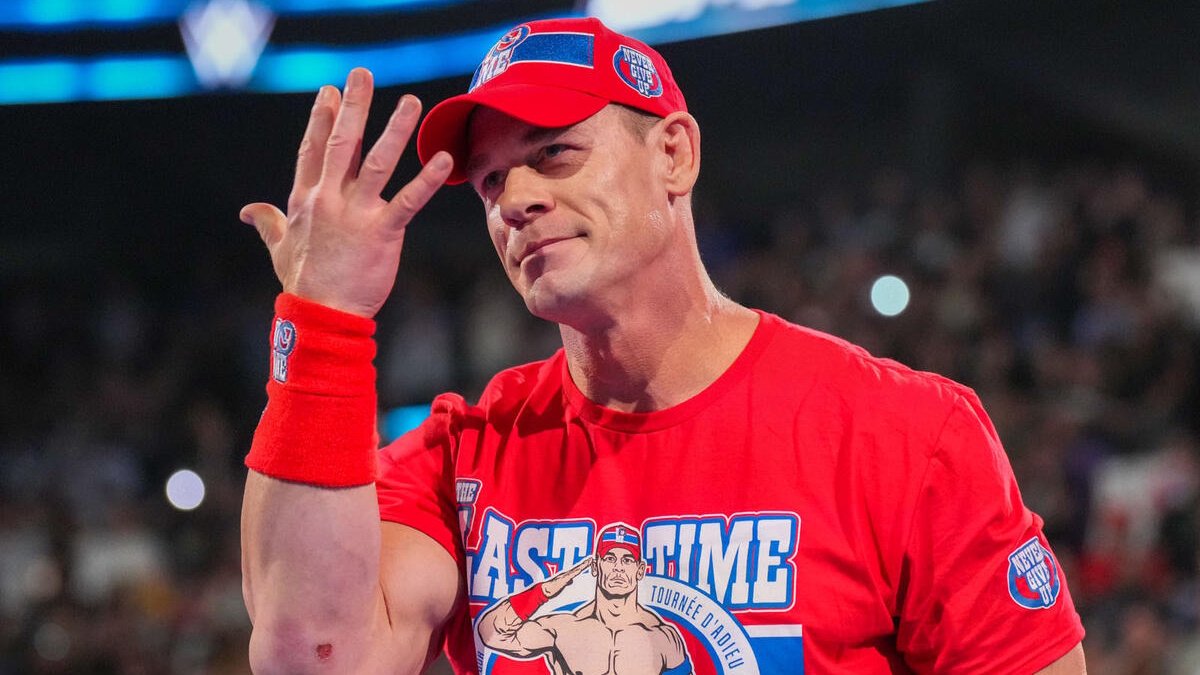
Cody is no longer the guy in the bespoke suits fighting for his family name against history. He is the guy holding the gold when the lights are brightest. Consistency is a cruel mistress in this business. John Cena lived this life for a decade, perpetually fighting off the resentment of fans who got bored of seeing the same guy stand on top of the mountain every single Monday.
We have seen Cody oscillate between the ultra-serious ring general and the guy who tries a bit too hard to be the hero for everyone. When he takes a Cross Rhodes, it lands with impact. When he misses the Disaster Kick, it looks like a desperate gasp for air. The real issue isn't his moveset; it is how the audience interprets these moments. We are cynical creatures by nature.
Some fans argue that the shine has worn off. They point to the repetitive nature of his feuds, noting how he often feels static while the rest of the show evolves around him. It is hard not to notice that while guys like Gunther are pushing the boundaries of what a technical stiff-style match looks like, Cody keeps running back the same emotional playbook.
The Night 2 reality check
Night 2 of WrestleMania is the graveyard of gimmicks and the birthplace of lore. If Cody can turn the tide on a crowd that is whispering about his plateau, he cements himself as the generational figurehead. If he stumbles, we are looking at a messy transition of power come the post-Mania season. The pressure to repeat the euphoria of Philadelphia is a weight that breaks lesser performers.
History tells us this is the pivot point. Think back to 1999, when Dwayne Johnson had to navigate the transition from rising star to the guy the entire company relied upon. The boo-birds came out, not because he was bad, but because he was simply everywhere. Cody is hitting that exact wall. He is the main character in a show that has too many compelling subplots to keep focusing on one man standing in the center of the ring.
If he wants to prove he is the face of this company, he needs to stop chasing the ghost of WrestleMania 40. The magic of that night was organic, fueled by years of buildup and a specific antagonist in Reigns. Trying to manufacture that same feeling via sheer willpower will result in a flat performance. He needs to evolve, perhaps even show a darker shade of his character to keep the crowd off-balance.
The risks of the status quo
Let's not dance around the elephant in the ballroom. The pacing of his reign has felt sluggish. We have seen matches go 25 minutes where 15 would have sufficed, leading to a bloated product that tests the patience of even the most dedicated subscribers. If his performance on Night 2 is just more of the same, he risks becoming the stagnant champion of an era that desperately wants to flip the script.
There is also the matter of the injury bug and the sheer miles on his frame. Those who track the statistics know that keeping a top-of-the-card schedule for 365 days is unsustainable. He has logged high-stakes minutes against heavy hitters, and the fatigue is visible. If he sells a move poorly or looks gassed midway through the main event, the sentiment will shift faster than a mid-card title change at a house show.
Ultimately, Sunday night is about separating the legends from the long-term champions. Any idiot can hold a belt for 500 days; keeping the audience invested for every second of that tenure is the real work. If he walks out of that stadium with the crowd still wanting him in the main event spot for the following year, he has done the impossible.
If not, the narrative shifts overnight. And in this business, once the narrative turns against you, there is no going back to the old version of yourself. He has to be better than he was last year, even if that feels like a physical impossibility given how perfectly everything aligned eleven months ago. The story changed; now he has to prove he can write the sequel without the original plot armor.
Read Next
- CM Punk is walking a tightrope at WrestleMania 41
- Cody Rhodes Is Champ, So Why Does It Feel Like He's Already Losing The Crowd?
- Top 10: Greatest Moments in Modern Wrestling History
- Nikki Bella's Walking Boot: The Oldest Trick in Wrestling's Book?
- 🏆 WrestleMania 41 — Full Coverage Hub
- 💥 WWE Backlash 2026 — Full Coverage Hub