Evolution vs. The American Nightmare
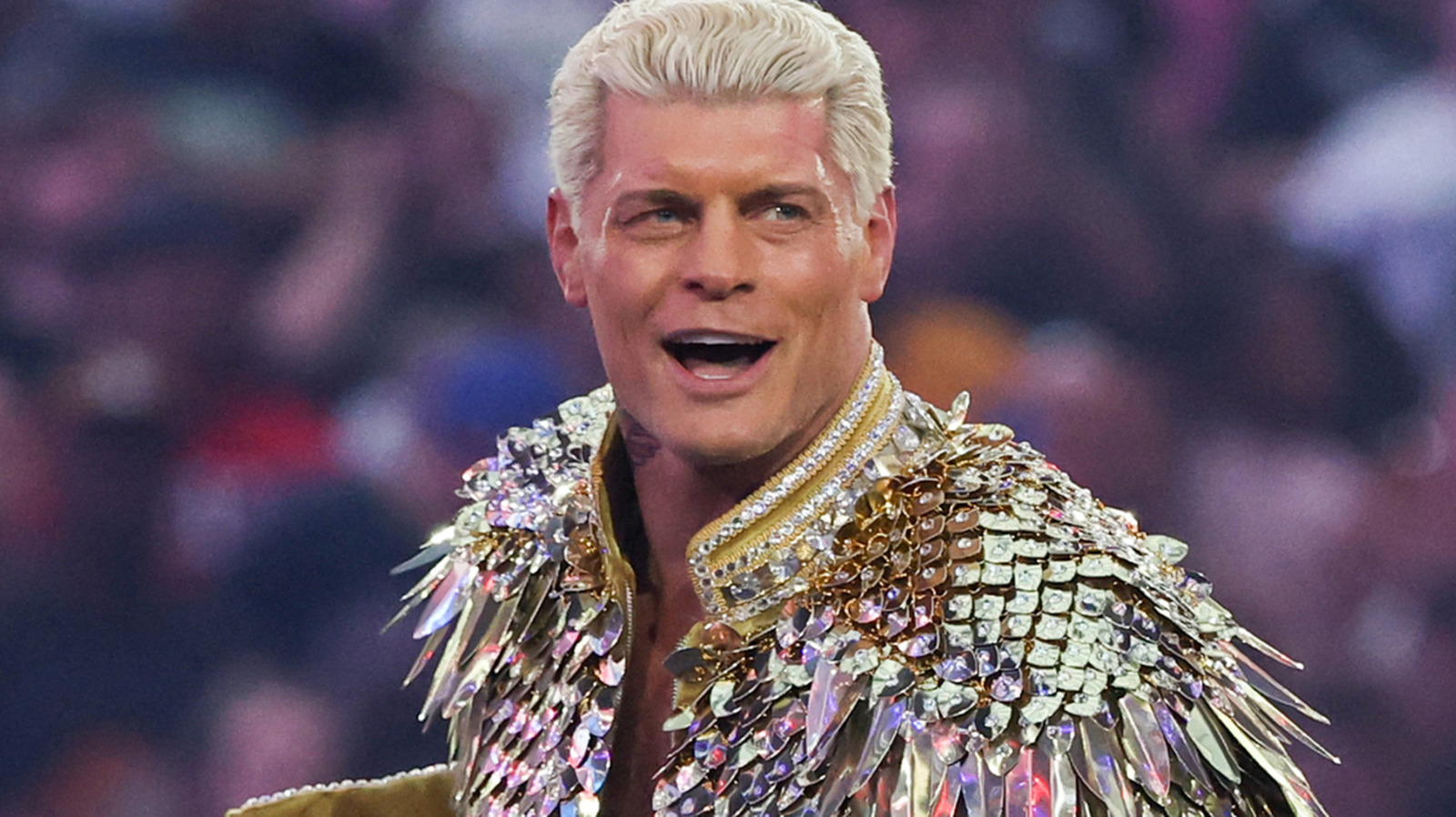
We need to talk about the recent deep dives into the relationship between Cody Rhodes and Randy Orton. It is impossible to look at the current landscape of professional wrestling without acknowledging that the Legacy stable was probably the most underrated training ground in modern history. People talk about the Hart Dungeon, but they ignore that Orton was effectively finishing Cody’s education while Ted DiBiase Jr. was mostly just there for the cardio.
Orton wasn't exactly looking to be a mentor back in 2008. The man was essentially a sociopath on television, punting guys into the rafters and acting like he was playing a live-action version of Hitman. Watching him mold Cody wasn't like watching a coach teaching a rookie; it was more like watching a seasoned mechanic show a kid how to strip an engine while the car was still doing 90 mph on the highway.
The evolution of the apprentice
Cody went from the masked Dashing persona into the intercontinental title runs, and you can trace every ounce of that poise back to the cold intensity he picked up from the Legend Killer. Rhodes had to endure the constant psychological warfare that Orton thrived on. If you look back at the 2009 booking, Legacy was a masterclass in parasitic wrestling relationships. Orton didn't just carry them; he forced them to be more interesting by setting the bar at an unreachable height.
Critics will say Orton held him back, but look at the alternative. Most mid-carders from that era ended up as cannon fodder for The Great Khali or just drifted into the abyss of generic tag teams. Cody walked away with a main-event level of self-assurance. He learned how to manipulate a crowd’s hatred before he ever realized they would eventually cheer for him as the hero of the entire company.
The missed opportunity in the rearview
Let’s not get too nostalgic though, because the booking around that time was absolute garbage. Does anyone remember the constant, aimless shuffling of rosters? The WWE creative team at the time treated the Legacy alliance like a revolving door of bad ideas. They wasted segments that could have been genuine star-making moments on throwaway matches against guys like Santino Marella, which did absolutely nothing for the long-term credibility of either man.
You look at how they handled the eventual split, and it was a pedestrian way to end such a high-stakes dynamic. They just kind of drifted apart after a series of middling matches that lacked the genuine vitriol the situation called for. It was a failure of imagination from the writing room, not the performers. They had lightning in a bottle and let it evaporate by the time they hit the mid-show slot.
The respect that remains
Flash forward to now, and you see why the bond matters. Rhodes doesn't work the same way as the guys coming out of the Performance Center because he didn't just learn moves in a warehouse. He learned how to survive in the ring with a guy like Orton, who would just as soon stiff you as look at you. That is why the recent reflections are landing so hard with the fanbase.
It proves that the old-school way of passing the torch—or in this case, the RKO—is still the only way to build a real star. If you are just doing gymnastics for ten minutes, you aren't going to have much to say when you are the world champion. Rhodes understands that, and he owes a huge piece of his current career to those days spent watching his back in the ring against his own mentor.
People want to talk about how things have changed with WWE corporate shifts, but the fundamental reality of professional wrestling hasn't budged one inch. You either have the killer instinct, or you are just another guy on the roster waiting for your contract to expire. Orton helped craft that instinct in Rhodes, and frankly, that is why we are even watching the main events these days. Everything else is just noise.
Read Next
- Cody Rhodes and Randy Orton are on a collision course that WWE cannot delay
- WWE SummerSlam 2026: The stakes are higher than the ladder matches
- Cody Rhodes and CM Punk are heading toward a double-turn at SummerSlam
- AEW Redemption proves title changes won't fix structural booking issues
- 🏆 WrestleMania 41 — Full Coverage Hub
- 💥 WWE Backlash 2026 — Full Coverage Hub