The invisible architects of the squared circle
For years, the internet wrestling community has been obsessed with the idea that every single second of a televised WWE match is scripted from the top down. Fans love to imagine Vince McMahon or Triple H standing in Gorilla Position, screaming into a headset while a wrestler tries to remember their next spot. We treat these producers like puppet masters, assuming the talent is just a vessel for someone else's fever dream.
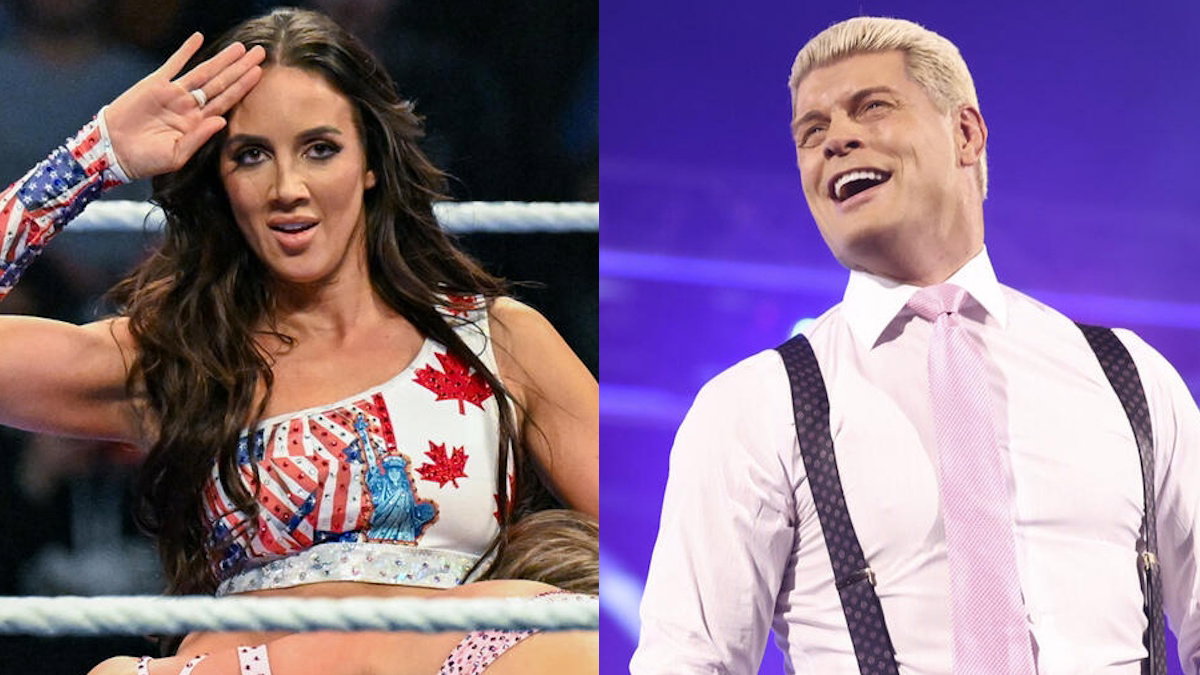
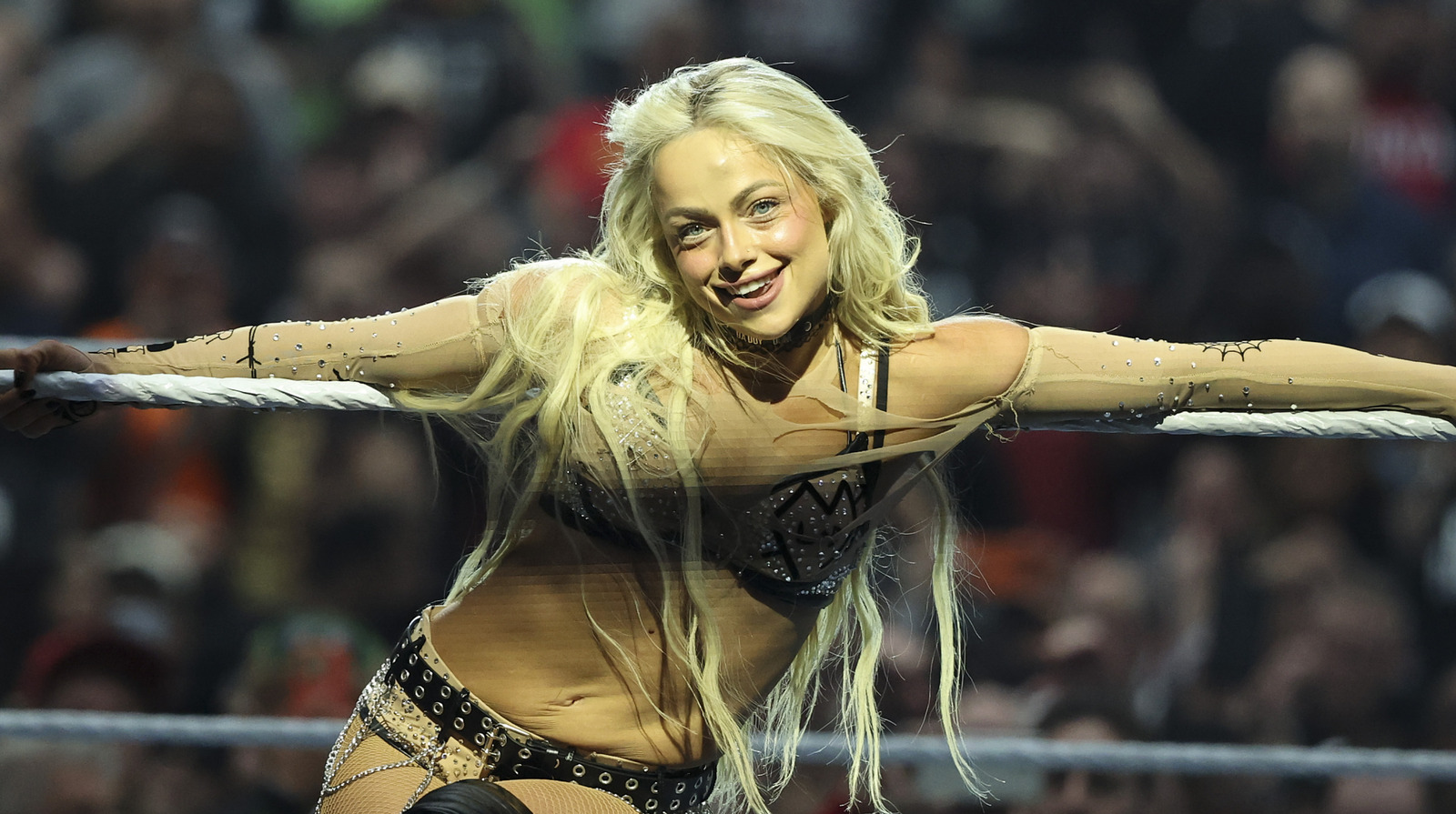
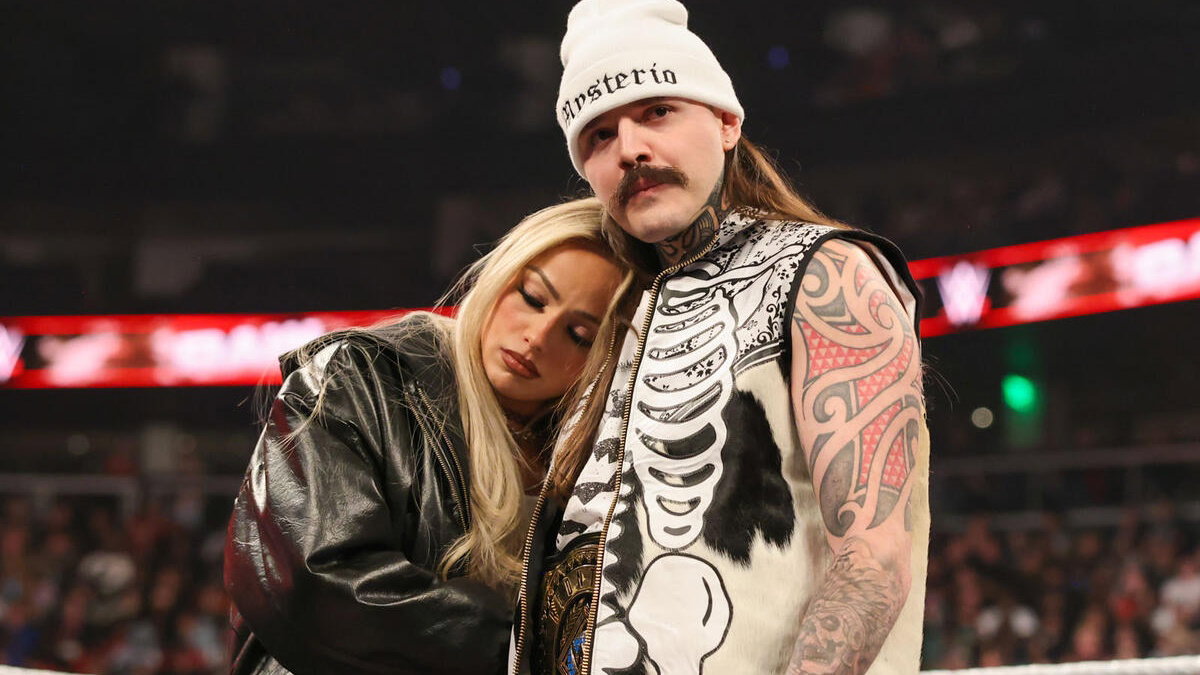
Recently, Cody Rhodes and Liv Morgan opened up about how they actually collaborate with the guys in the suits. It turns out, the reality is a lot more chaotic and conversational than the conspiracies suggest. They described a process that feels more like a jam session between a veteran road agent and the performers rather than a rigid command structure. It is refreshing to hear that the talent actually has a seat at the table when the clock is ticking down to a prime-time slot.
Cody's blueprint vs. Liv's improvisation
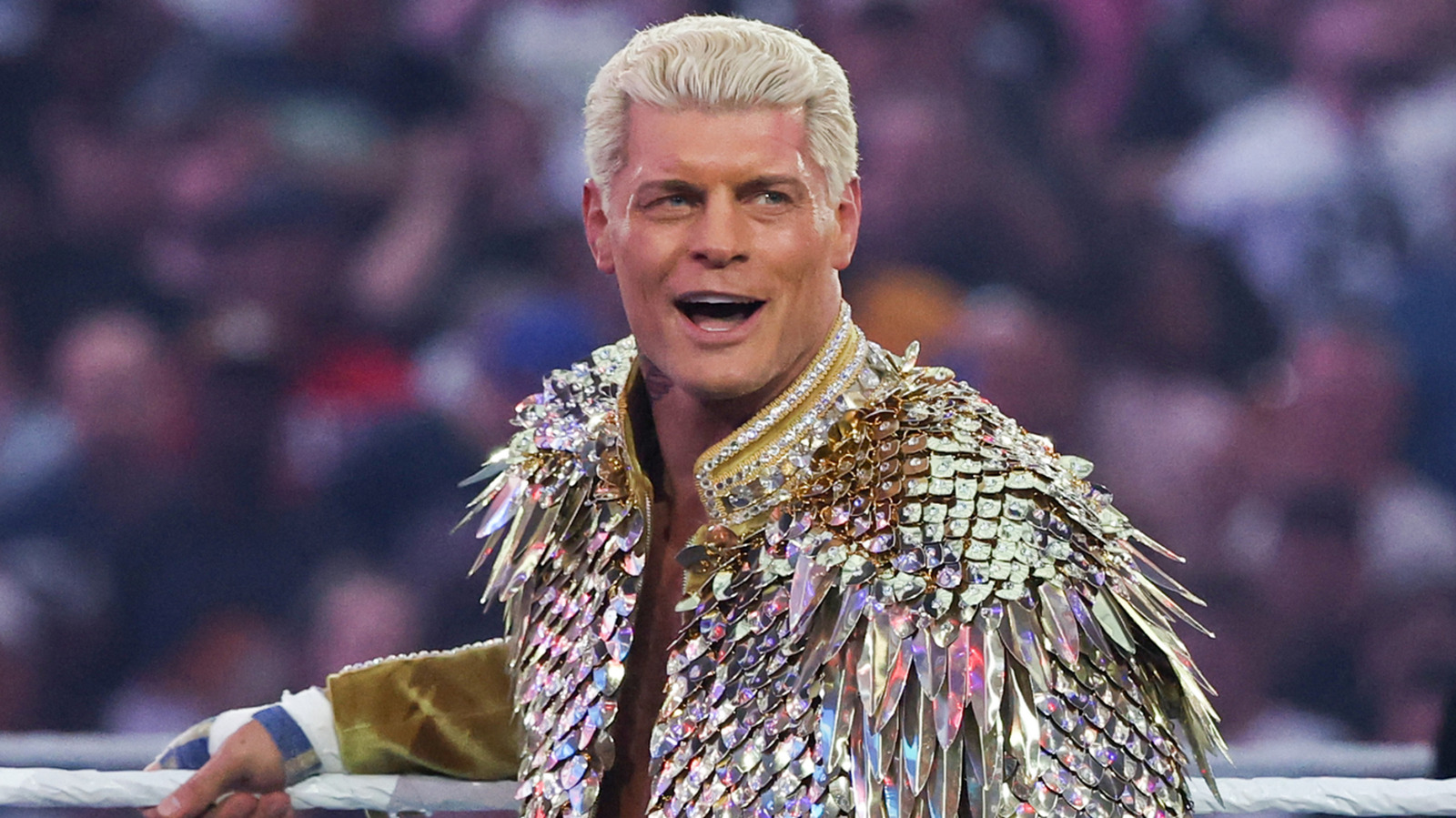
Cody Rhodes has spent his career obsessed with the finer details of storytelling. He views his opponents as puzzle pieces, analyzing how his specific brand of babyface fire fits into their unique movement patterns. When he talks about working with producers, he focuses on how to keep the television presentation grounded. His approach reflects the same mindset that pushed him to overhaul his entire persona post-2016. He is not just wrestling; he is producing his own segments in real-time.
Liv Morgan, on the other hand, approaches the process with the frenetic energy of someone who has had to fight for every inch of screen time she has ever received. Her commentary suggests that her sessions with producers are less about the technical choreography and more about protecting her character's volatile growth. She isn't looking for a move-by-move blueprint, which is why her matches often feel like they have a jagged edge that others lack. Watching her work reveals a performer who knows exactly when to ignore the advice in her ear to suit the mood of the crowd.
The dark side of the producer relationship
Let’s be honest: not every producer relationship is a walk in the park. We have all seen segments that felt bloated and over-produced, segments that lacked the natural chemistry that usually elevates a main event. There have been times throughout the last few years where the pacing of a weekly show felt like it was being squeezed by someone who forgot that wrestling is essentially a live theater performance, not a synchronized swimming event.
The frustration is that even with this supposed collaboration, too many matches on the undercard still feel sterilized. If producers are truly letting the talent take the lead, why do we still get those standardized rest-hold sequences at the 8-minute mark of every single television match? Sometimes, the collaborative process sounds great in an interview but fails when the cameras roll. It suggests that there is still a heavy hand behind the scenes that forces performers into a generic template, regardless of their individual style.
The divide between the script and the ring
The biggest test for this collaborative model will arrive at Backlash 2026. With the rosters currently locked into tight program directions, the ability of producers to navigate the balance between corporate mandates and organic chaos will be front and center. If we get another three-way tag match that feels like it was put together in ten minutes on a cocktail napkin, the narrative about producer collaboration will fall apart entirely.
Cody and Liv are anomalies because they have earned the leverage to push back against the standard operating procedure. Most guys on the roster are still just trying to feed their families, meaning they will smile, nod, and take the producer’s note even if they know it is going to flop in front of 15,000 people. I would rather watch a messy, unscripted train wreck that has character development than a technically sound match that feels like it was written by an algorithm. The 90% of the roster that doesn't have the leverage to deviate from the script is what currently keeps the product from hitting the ceiling.
Ultimately, these interviews give us a peek behind the curtain that proves the business is not as binary as we want it to be. The producers aren't gods, and the wrestlers aren't mindless drones. They are working in a high-pressure environment where a single botched sequence can lead to a 15% drop in viewership during a crucial quarter-hour. That level of stress is enough to make anyone want to stick to a script, but the ones who succeed are the ones who treat the producer as a consultant, not a boss.
Read Next
- Roman Reigns is ghosting Raw and we all need to deal with it
- Braun Strowman thinks he and Roman Reigns are the GOAT rivalry
- This Week in Wrestling: The New Day Split and WWE Roster Shakeups (Apr 27–May 03, 2026)
- The Day the Power of Positivity Died in WWE
- 🏆 WrestleMania 41 — Full Coverage Hub
- 💥 WWE Backlash 2026 — Full Coverage Hub