The Medical Reality of Tonight
The medical tent at Allegiant Stadium is quiet today. That is the best possible news for WWE. With WrestleMania 41 Night 1 just hours away, the main event roster is remarkably intact. There are no major withdrawals.
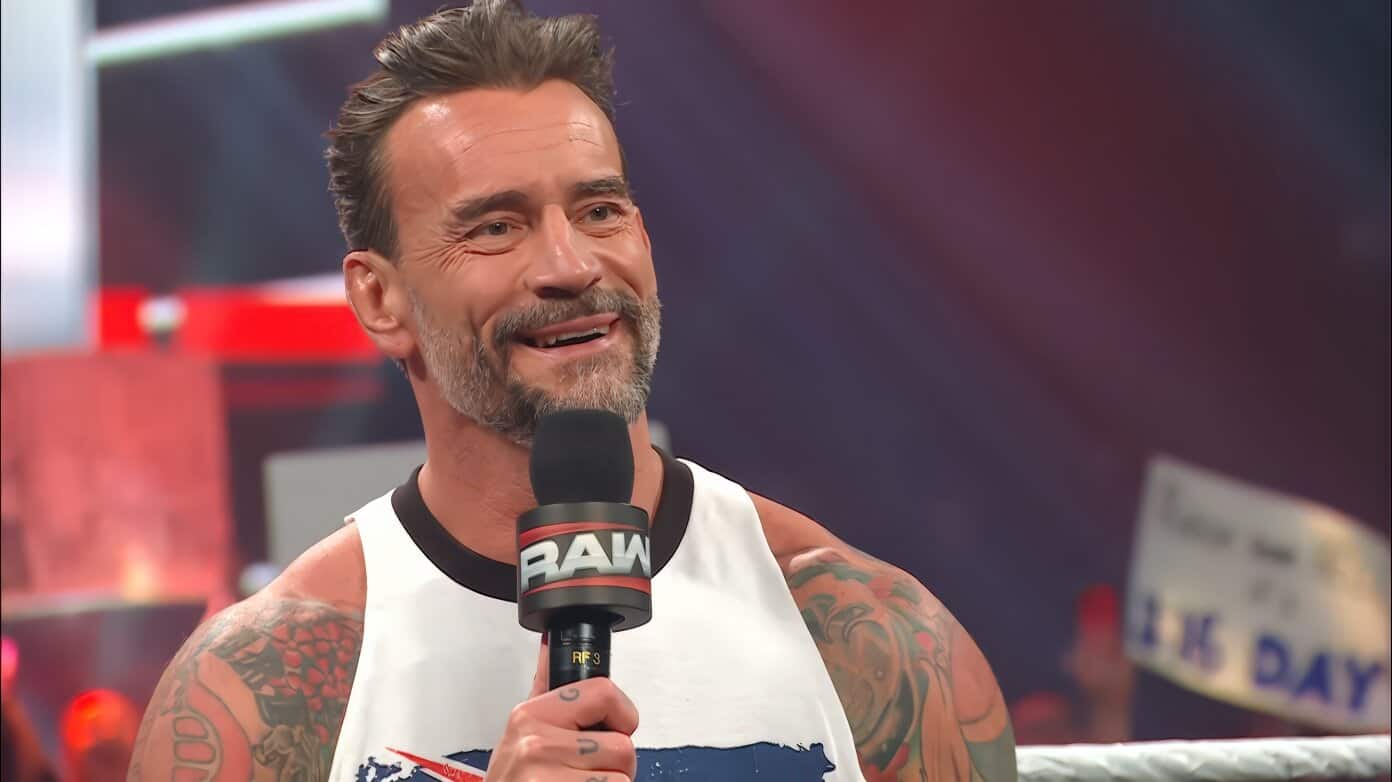
The most heavily scrutinized medical file belonged to CM Punk. He is officially cleared for his major match tonight. There are no restrictions on his movement or his planned spots.
Whispers of training camp setbacks are common heading into major shows. Sources indicated some minor stiffness in Punk's surgically repaired right arm during late March training sessions. The medical staff took no chances.
He underwent a battery of strength and mobility tests on Thursday upon arriving in Las Vegas. The results were negative for any structural issues. The triceps tendon is fully anchored and handling load normally.
The Biomechanics of a Return
To understand the medical clearance, you have to look at the mechanics of the initial injury. Punk tore his right triceps at the Royal Rumble in 2024. It was a complete distal tear right off the bone.
The surgery involved drilling holes into the ulna bone. The tendon was reattached using heavy sutures and anchors. The initial recovery phase requires absolute immobilization to allow the tissue to scar down and adhere to the bone.
Once the cast comes off, the real work begins. Atrophied muscle must be rebuilt. The kinetic chain is compromised. Blood flow restriction therapy is often used to force muscular growth without overloading the fragile repaired tendon.
The biomechanics of his finishing move, the Go To Sleep, put immense stress on the upper body. He has to elevate a 200-plus pound opponent in a fireman's carry. The initial lift engages the core, but stabilizing the weight relies heavily on the triceps and shoulders.
Any hesitation or weakness in that right arm could result in a dropped opponent or a secondary injury. The clearance tests specifically mimicked this vertical load. He passed without compensation from his surrounding muscle groups.
Taking bumps is the other half of the equation. A standard flat back bump disperses kinetic energy across the upper back and arms. The instinct to post an arm to break a fall is deeply ingrained, but it is exactly what causes triceps tears.
Punk has had to retrain his falling mechanics. He tucks the right arm slightly tighter now. It is a microscopic adjustment, but it reduces the sheer force on the elbow joint upon impact with the mat.
Managing the Veterans
John Cena is also on the card for a massive farewell match. His medical file is essentially a medical encyclopedia at this point. Torn pecs, neck surgeries, shoulder reconstructions.
At 48 years old, Cena operates with severe structural deficits compared to his prime. His range of motion in his shoulders is visibly limited. The medical staff manages him through pre-activation routines and deep tissue work rather than heavy lifting.
The shoulder is a ball-and-socket joint, inherently unstable by design to allow for a massive range of motion. When you tear the labrum, the cartilage ring that deepens the socket, the joint becomes loose.
Cena has suffered multiple tears. The ball essentially slides around in the socket during heavy lifts, causing acute pain and risking complete dislocation. He manages this through incredible hypertrophy of the surrounding deltoid muscles, effectively using pure muscle mass to hold the joint together where the connective tissue has failed.
His injury risk tonight is actually lower than you might think. He works a highly controlled, predictable style. He does not take unnecessary risks on the top rope or outside the ring.
The danger for Cena is acute muscular failure during explosive movements. The Attitude Adjustment requires an explosive burst from the hips and lower back. If the core fails to fire properly, the load shifts directly to the lumbar spine.
The Bloodline Attrition
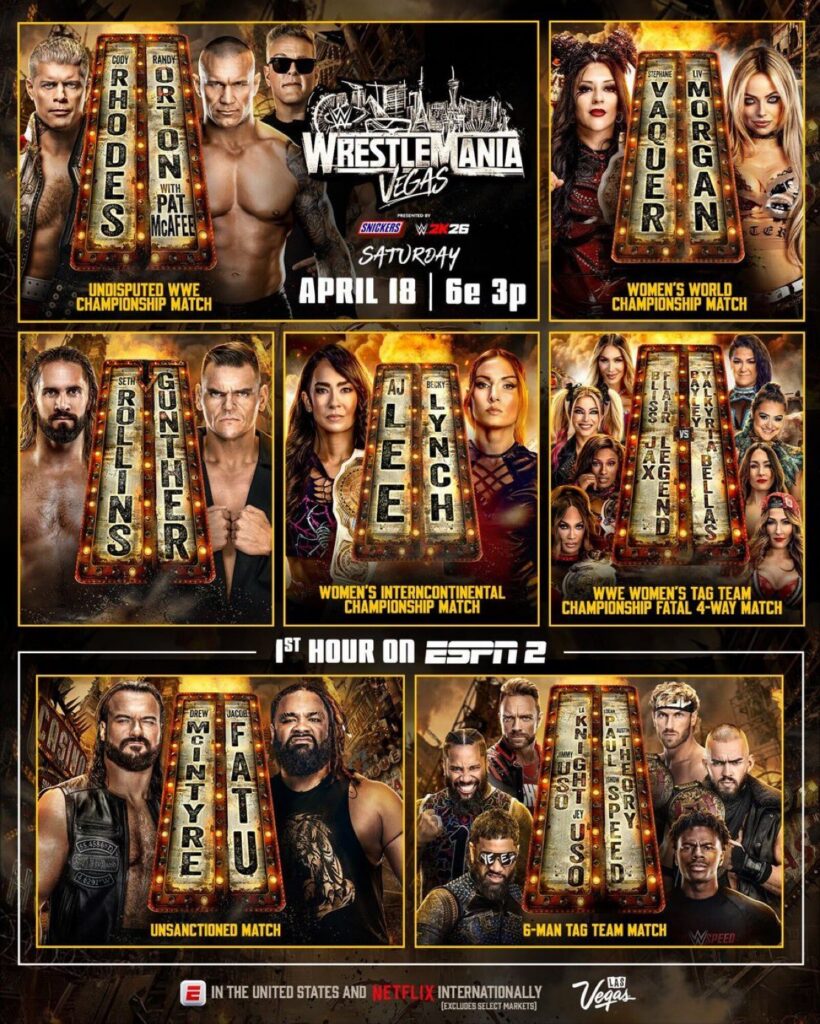
Looking ahead to tomorrow, Cody Rhodes defends the WWE Championship against the Bloodline. Rhodes is famous for wrestling with a completely torn pectoral muscle inside Hell in a Cell. The medical team remembers that night vividly.
That 2022 performance changed how WWE handles catastrophic injuries. The protocol is much stricter now. If a tear is confirmed, the match is stopped. There are no heroics allowed under the current medical administration.
Rhodes is perfectly healthy heading into tomorrow. But he works a high-velocity style that puts constant stress on his knees. The Cody Cutter requires a blind leap and a heavy landing on the joints.
Roman Reigns operates on a completely different physical schedule. Reigns has been open about his battle with leukemia. His immune system and recovery capacity are carefully monitored by specialized oncologists, not just orthopedic doctors.
Reigns takes longer breaks between major matches. This is a medical necessity, not just a booking strategy. Chronic fatigue can trigger a cascade of physiological issues for him. When he shows up, he is peaked.
Ringside Medicine and Systemic Flaws
During the broadcast tonight, watch the corners of the barricade. There are dedicated spotters watching the monitors. Their only job is to look for signs of concussion or loss of motor control.
If a wrestler goes glassy-eyed or demonstrates the fencing response, the spotter radios the referee immediately. The referee throws up the 'X' symbol with their arms. The match stops.
The ringside physician's bag is a marvel of immediate trauma care. It contains hemostatic agents, which promote rapid blood clotting upon contact with an open wound. They carry rigid cervical collars and airway management tools.
If a wrestler takes a bad fall on their neck, the protocol is rigid. The doctor will stabilize the cervical spine manually before the board is even brought into the ring. You will often see the referee holding the wrestler's head completely still while the doctor runs through a rapid neurological assessment, checking pupil dilation and asking for finger movement.
The speed of this assessment is critical. A delay in recognizing a spinal concussion can lead to permanent paralysis. It is a terrifying responsibility masked by the pageantry of the show.
However, the system is fundamentally flawed in several areas. There is still a massive gray area regarding 'stingers' versus minor concussions. Wrestlers are experts at hiding pain. They know exactly how to answer the doctor's quick questions to avoid being pulled from a main event payday.
The baseline testing done before the event relies on honest effort. If a wrestler sandbags the baseline test, a mild concussion later might not register as a significant drop in cognitive function. It is a known loophole that the medical board struggles to close, and talent frequently exploit it.
Furthermore, the sheer length of WrestleMania weekend is a health hazard. Talent are doing media hits, fan events, and rehearsals for four straight days before taking a single bump. Sleep deprivation is rampant.
A tired wrestler is a dangerous wrestler. Reaction times drop. A split-second delay on a catch can result in a broken neck. The medical staff can tape an ankle, but they cannot prescribe eight hours of deep sleep.
The Environmental Factor
Allegiant Stadium presents its own physiological challenges. The building is climate-controlled, but athletes are operating in the Nevada desert. Hydration protocols started 48 hours ago.
A dehydrated muscle is a brittle muscle. Cramping is the immediate concern, but tendon elasticity also drops when fluid levels fall. The medical team forces a strict regimen of electrolytes and water leading up to bell time.
Tonight features multiple multi-man matches. These are chaotic environments. The risk of incidental contact goes up exponentially. An errant elbow or a miscommunication on a dive to the outside is the most common cause of lacerations and broken orbital bones.
The ringside doctors have specialized kits ready for immediate closure of cuts. They use medical glue and butterfly strips rather than stitches during the match to stop bleeding quickly and allow the performer to finish.
If you see a referee put on black gloves, someone is bleeding hardway. Blood protocols require the referee to inspect the wound. If it is arterial or obstructing vision, the match halts.
We are likely to see at least one stoppage for blood tonight given the intensity of the feuds. The medical team is prepared for rapid triage.
As the sun sets in Las Vegas, the medical tent will transition from a clinic into an emergency room. Ice baths are pre-chilled. Defibrillators are checked. The spine boards are positioned out of camera view.
The healthiest roster in recent memory is about to perform in front of 80,000 fans. The doctors hope for a quiet night. History suggests they will be busy.
Read Next
- WrestleMania 41 is the ultimate test for a burned-out locker room
- McIntyre’s Undisputed win proves the long-term narrative is a myth
- John Cena and Cody Rhodes face their final boss at WrestleMania 41
- Top 10: Top Moments Leading to WrestleMania 41
- 🏆 WrestleMania 41 — Full Coverage Hub
- 💊 CM Punk WWE 2026 — Best in the World