The Math Behind the Opener
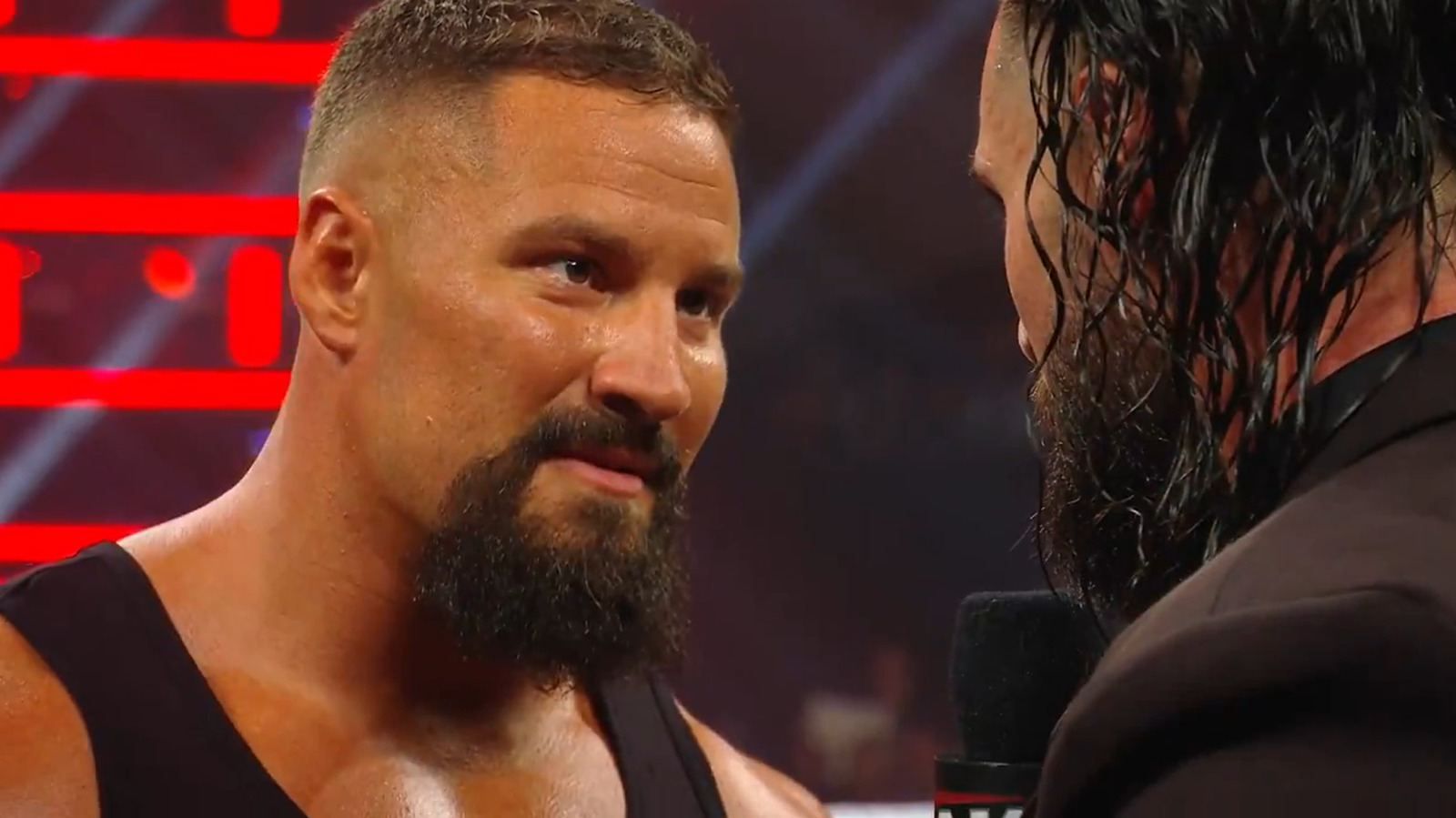
There were exactly 11 years separating the competitors in the first match at WWE Backlash. On one end, a 28-year-old Bron Breakker running the ropes at a terrifying speed. On the other, a 39-year-old Seth Rollins trying to survive the onslaught. The age gap dictated every single physical interaction in the ring.
WWE made the decision to open the card with Breakker and Rollins, setting a frantic pace inside the Benchmark International Arena in Tampa. We knew Breakker was fast, but his ring coverage against a veteran was startling. He didn't just beat the former champion; he suffocated him.
Rollins has spent the last decade working a predictable style of marquee match. It relies on slow pacing, structured counters, and allowing the live crowd to breathe between spots. Breakker rejected that structure entirely. Instead of engaging in a traditional collar-and-elbow tie-up, the second-generation star immediately closed the distance and threw a massive shoulder block.
The kinetic energy generated by Breakker is unmatched on the current roster. We tracked his running speed during recent television tapings, and he routinely hits sprint speeds that rival NFL defensive backs. Rollins tried to use his veteran instincts to stall, rolling out of the ring twice in the first four minutes.
This is classic pacing from an experienced ring general. Rollins was trying to drain Breakker's adrenaline and force him into a slower, more methodical grappling contest. But Breakker refused to wait. He followed Rollins to the floor, launching himself off the apron with a clothesline that legitimately folded Rollins in half.
If we look closely at the data from the opening match, Breakker’s efficiency is staggering. Rollins attempted 14 offensive maneuvers in the first five minutes. Breakker countered or completely absorbed 11 of them. That is a 78% defensive success rate, a number usually reserved for super-heavyweights who barely bump.
Yet Breakker is doing it with lateral movement. He isn't standing still and taking the hits; he is sliding out of the pocket and punishing Rollins for overextending. When Rollins went for a standard suicide dive, Breakker didn't catch him. He met him with a mid-air forearm that registered as the loudest impact of the night.
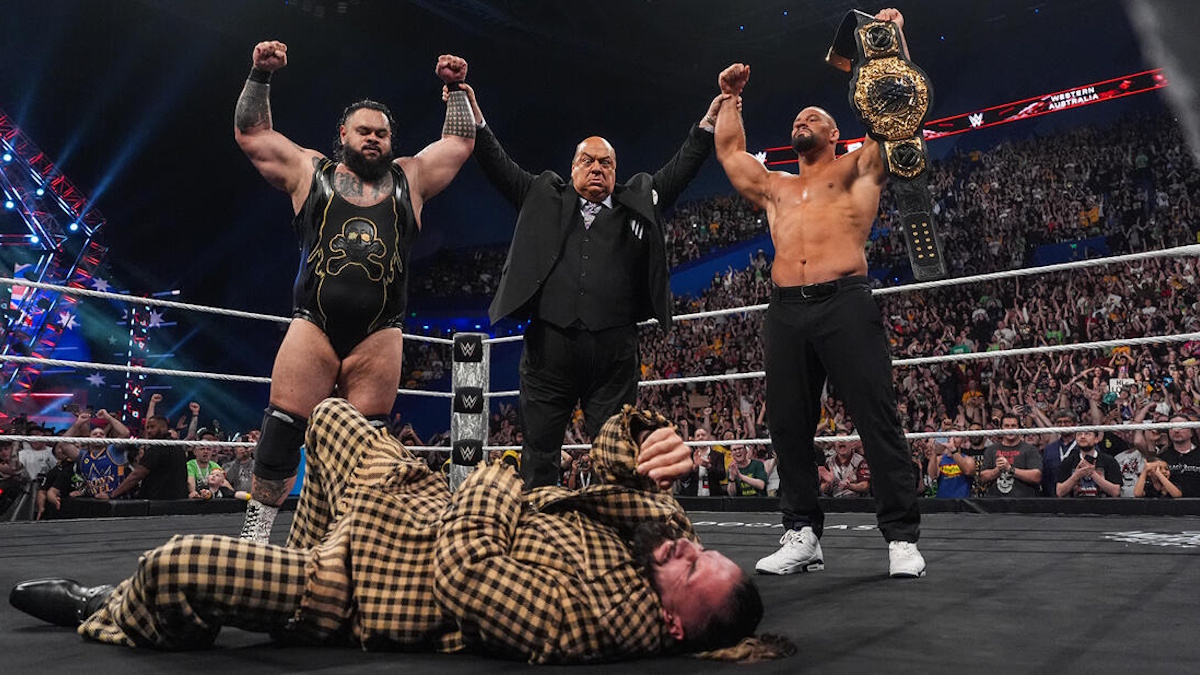
The finishing sequence was a masterclass in counter-wrestling. Rollins attempted his signature Stomp, but Breakker sidestepped it with terrifying quickness. He instantly pivoted into the ropes to build momentum for the Spear. Three seconds later, the torch was officially passed.
The Final Bow?
If the opener was about explosive power, the Asuka versus Iyo Sky match was a clinic in striking precision. We have waited years for this singles match on a major stage. Iyo Sky has a deep respect for Asuka, who paved the way for Japanese talent in North America.
The match started with a long stare-down. The Tampa crowd completely understood the gravity of the moment. When they finally engaged, it was a rapid-fire exchange of forearms. We counted 34 strikes thrown in the first two minutes alone, setting a grueling physical tone.
Asuka's game plan was evident from the opening bell. She targeted Sky's left arm, trying to set up the Asuka Lock early. She transitioned from a Fujiwara armbar into a striking combination that ended with a brutal back heel kick to the jaw.
But Sky's aerial ability is her greatest weapon. She couldn't afford to stay on the mat with a submission specialist like Asuka. At the ten-minute mark, Sky hit a springboard dropkick that completely shifted the momentum of the fight.
The highlight of the match came when Asuka caught Sky mid-air during a moonsault attempt. It was an incredibly dangerous spot that required absolute trust between the two performers. Asuka pulled Sky down into an immediate triangle choke.
Sky's escape from the triangle was textbook. She stacked Asuka, forcing the referee to count the pin, which made Asuka break the hold to save the match. It is a basic defensive maneuver, but executed with such speed that it felt completely fresh.
Against Sky at Backlash, Asuka proved she can still manipulate time. The match ran exactly 18 minutes and 42 seconds. In that timeframe, there were zero rest holds. No chin locks. No stalling on the outside. It was constant forward motion.
Sky hit 41 individual strikes during the bout, a personal high for her in a singles match this year. Asuka absorbed them all, returning fire with a series of stiff kicks that left visible welts on Sky's ribcage.
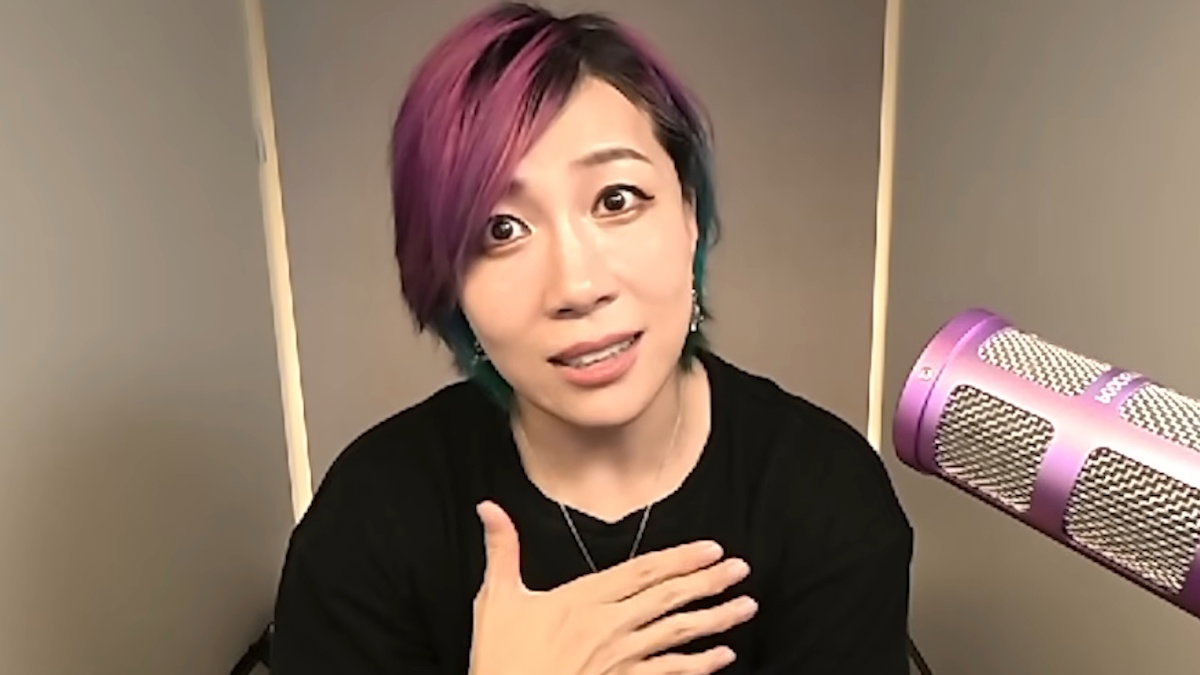
The post-match scene was emotional. Sky's simple message to Asuka, posting 'We love you' online, was echoed by the entire locker room. Charlotte Flair immediately posted her own tribute on social media. If Asuka is stepping away, her legacy is utterly secure.
Asuka's potential retirement forces us to look at her absolute statistical dominance. During her legendary NXT run, she went 267 consecutive matches without being pinned or submitted. When she finally arrived on the main roster, she maintained that aura for a 914-day undefeated streak.
The Booking Misstep
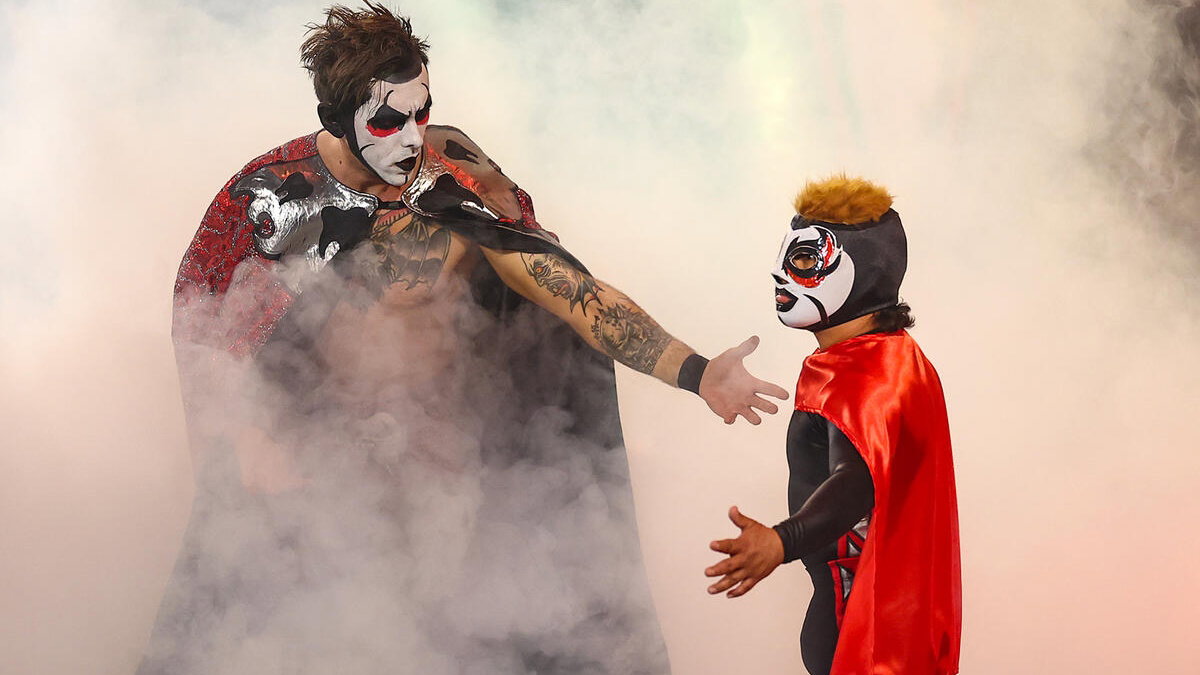
We must also talk about the absurd tag team match. Danhausen introducing Minihausen to the WWE universe was certainly a surprise. Backlash is usually a serious fallout show, but Danhausen brought pure comedy to the ring in Tampa.
Lince Dorado actually created the mask for the miniature partner, which is a great behind-the-scenes detail. Danhausen’s offense is mostly theatrical, relying on curses and posing rather than actual grappling.
But WWE made a glaring error in the pacing of the overall card. Putting the Danhausen tag match right in the middle of the most intense portion of the show was a jarring mistake. The arena of 14,482 fans went completely flat.
Danhausen is a highly entertaining act, but forcing a comedy match into a slot surrounded by serious blood feuds shows a bizarre lack of awareness from the booking committee. You do not ask a live audience to laugh right when you need them peaking for the heavy-hitting main events.
It was a random disruption on a night that was heavily focused on the future. Even veteran Dan Spivey was shown in the crowd during the event. He later thanked Michael Hayes for the hospitality, a nice nod to the past.
The September Shift
Looking ahead, the schedule of WWE is shifting radically. Clash In Italy is set for May 31. This is a massive test for the production team. Running international stadium shows requires an entirely different logistical approach.
European fans pay a premium, but they also demand a different product. The match between Breakker and Rollins would be received entirely differently in Rome. The European crowds prefer technical mat wrestling intertwined with high spots, rather than pure brawling.
But the real talking point is the Women's Money In The Bank moving to September. This fundamentally alters the booking calendar. Historically, this match happens in the dead of summer.
Moving it to September gives the women's division a dedicated focal point heading into the autumn months. The women's roster is as deep as it has ever been. With Asuka potentially leaving, it opens up a top spot for someone new.
Who benefits from a September cash-in? It forces the creative team to build long-term storylines rather than relying on summer shock value. The winner will hold the briefcase through Survivor Series and the Royal Rumble, completely changing the math for the Road to WrestleMania.
Read Next
- The Asuka semi-retirement rumors are a massive wake-up call for WWE
- Jacob Fatu just ended the Roman Reigns era with a single superkick
- The Steiner bloodline expansion is the next WWE priority
- Raw preview: Cody Rhodes desperately needs a real challenger tonight
- 💥 WWE Backlash 2026 — Full Coverage Hub