The ritual of the Hall of Fame
As we sit in July 2026, the industry engine room is already turning toward the next cycle. The Hall of Fame ceremony is no longer the side-show it was in the mid-2000s. It is an anchor event, and frankly, the pressure to maintain quality after some leaner years is becoming obvious.
We are watching a shift in how these legacies are curated. The strategy has moved from broad-based recognition to targeted, narrative-driven inductions. While recent reporting on potential 2027 classes suggests the candidates are plentiful, the execution often suffers from poor pacing and over-saturation.
The danger of nostalgia-based booking
The core issue remains the lack of clear criteria for who gets in and when. Every year, we see performers with stellar career win-loss records sidelined in favor of names that drive single-city ticket sales. This isn't just about merit, but it occasionally feels like a disservice to the athleticism of the athletes.
Consider the logistical nightmare of the induction speeches. When segments run past the 30-minute mark, the flow stalls. Last year’s ceremony featured an induction that dragged until nearly midnight, draining the energy of the live crowd for the following night's card. It is a tactical error that needs an immediate remedy.
Defining the 2027 class standards
For 2027, the focus must shift back to technical impact rather than just tenure. We need to see names that contributed to the evolution of the ring style, specifically those who bridged the gap from the transition period of 2005-2010. Those workers shaped the current generation's work rate.
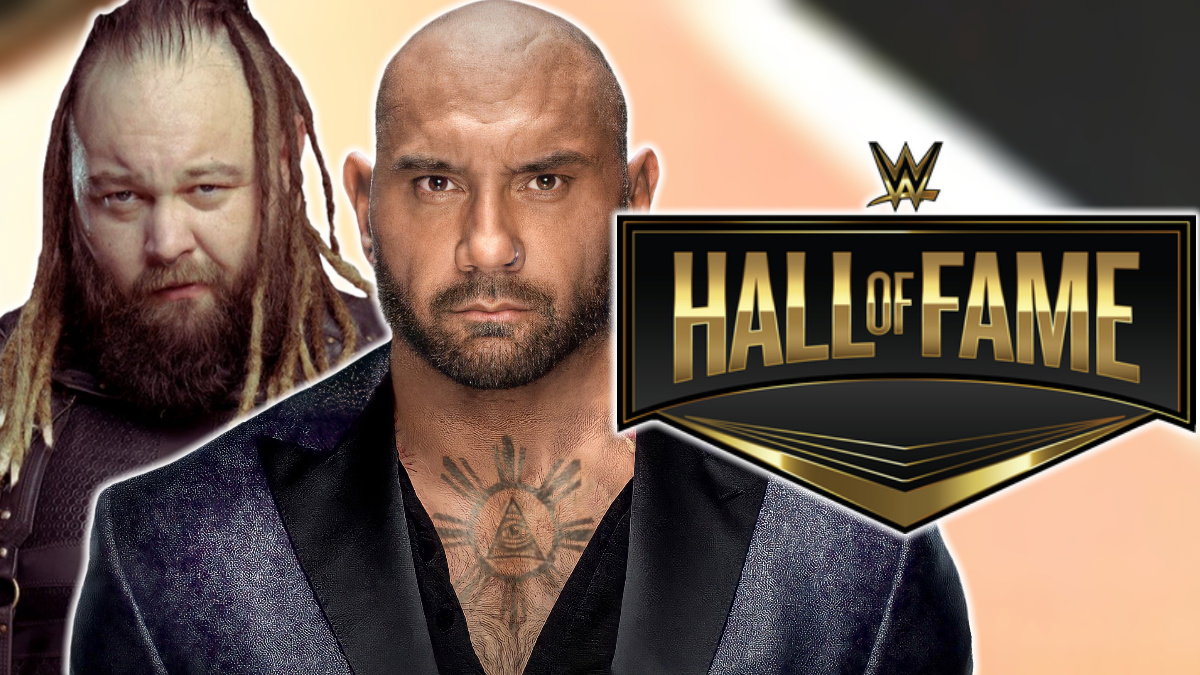
My critique remains firm: stop using the HOF as a vehicle for internal PR. If the selection committee prioritizes names over contributions, the prestige slips further. If a wrestler like Batista or someone of that caliber finally goes in, let it be because they finished their work, not because someone needs a headline.
Prediction for the 2027 class? I expect a major focus on the Attitude Era leftovers to boost the numbers. It is the safe play—the high-percentage pass—but it fails to advance the medium into the next decade. If they announce a headliner before January, I will be shocked. The wait is their lever for public interest.