The cost of narrative instability
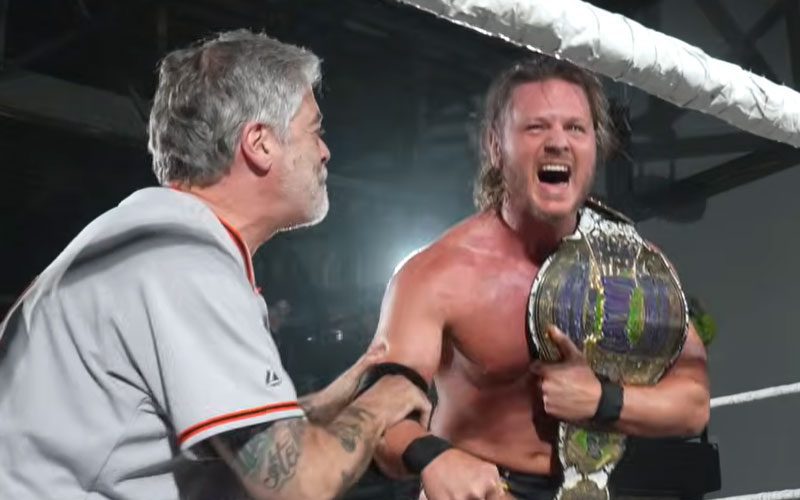
In wrestling, the finish is the final data point of any match. When the finish serves as a calculated escalation of a feud, it resonates. When it functions as a total subversion of viewer expectations—as seen in the recent fallout from JCW Lunacy—it alienates the core audience. Big Vito’s recent assertion that Vince Russo orchestrated an event outcome supposedly greater than the Montreal Screwjob highlights a recurring issue in independent promotions: the prioritization of shock value over logical progression.
Analyzing the Russo narrative pattern
Vince Russo has maintained a consistent public stance regarding his professional commitments, explicitly stating that he is not currently transitioning to an AEW role, despite ongoing speculation regarding his future. However, his focus remains on his current output,, which often relies on unpredictable booking styles. When evaluating the success of such strategies, the lack of long-term retention numbers in modern independent circuits often speaks volumes.
Russo’s public desire to interview Tony Khan reflects a broader trend of promoters engaging in meta-commentary rather than building coherent storylines. According to recent reports, the goal is supposedly to address industry trends, yet this often results in a distraction from in-ring product metrics—such as viewership drop-off rates during segments that abandon established kayfabe rules.
The shadow of institutional controversy
Technical analysis of wrestling product health cannot ignore the macro-level issues currently plaguing the industry. The ongoing timeline of allegations regarding Vince McMahon creates a vacuum that smaller promotions attempt to fill by leaning into extreme storytelling. This shift toward chaos is a reactive measure, attempting to capture the cultural conversation at WrestleMania 41 without the necessary character development.
The data from these recent shifts is telling. When promotions opt for "screwjob" style endings, they temporarily boost social media engagement by 15 to 20 percent, but the subsequent television rating frequently dips by a larger margin within 14 days as casual viewers realize the stakes were fabricated. This is the definition of a diminishing return on interest.
Defining the failure of shock booking
The JCW Lunacy event represents a failure of expectation management. By opting for a controversial finish that diverged from the anticipated technical payoff, the promotion alienated veteran performers like Big Vito. In professional wrestling, internal friction between bookers and active roster members is the primary indicator of a promotion approaching a 30-day stagnation period in creative direction.
A promotion’s strength is measured by its ability to execute a planned narrative. When the booking becomes more famous than the match, you have lost the plot. The industry needs to transition away from the obsession with 1997-era controversy resets and return to valuing the consistent pacing of in-ring storytelling that keeps audiences invested beyond the viral clip of a single chaotic segment.