The Callout Before the Debut
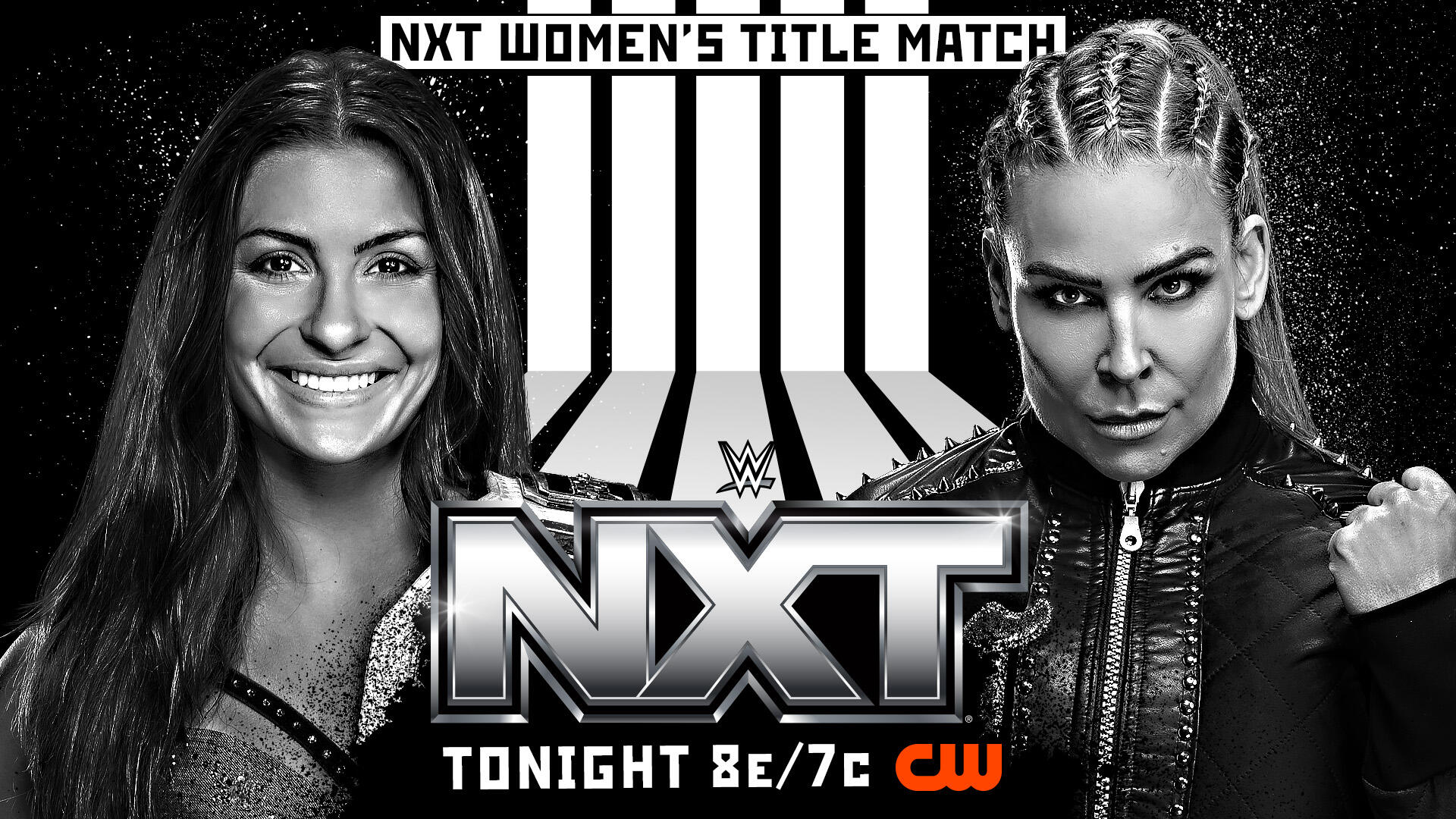
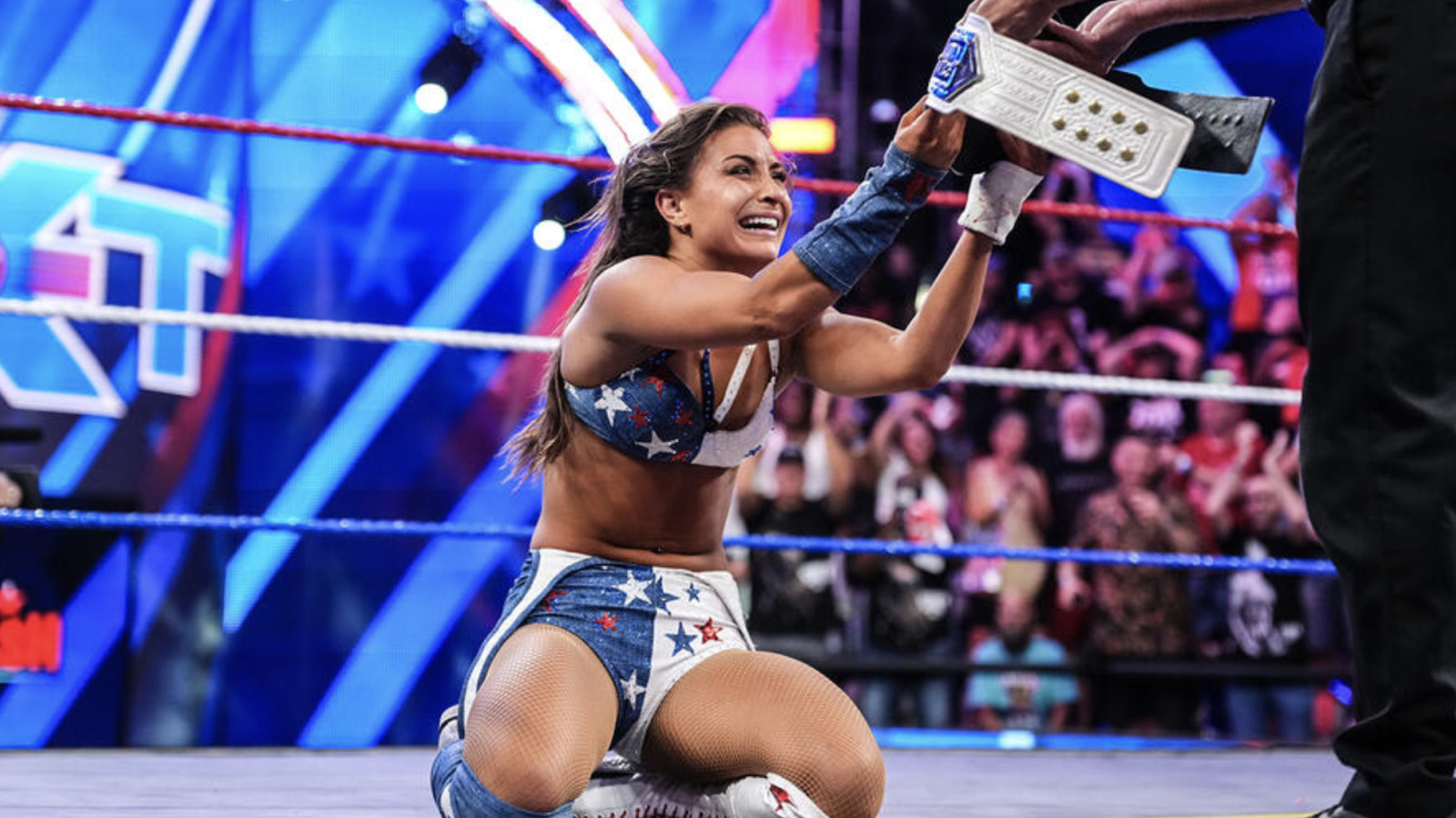
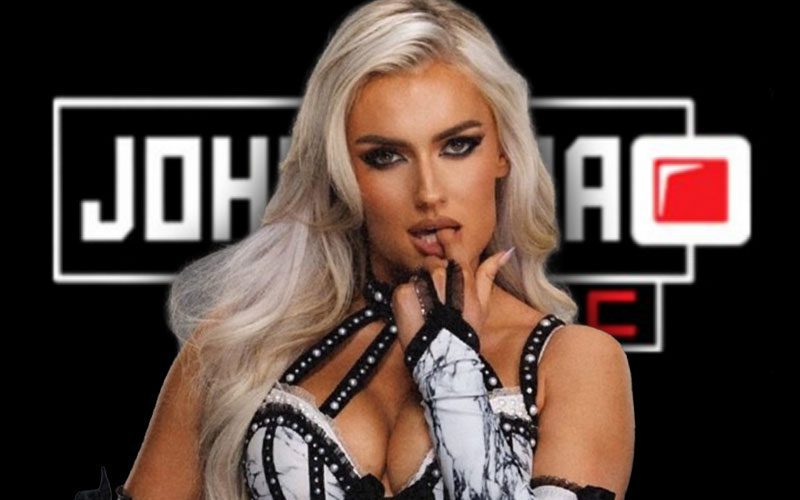
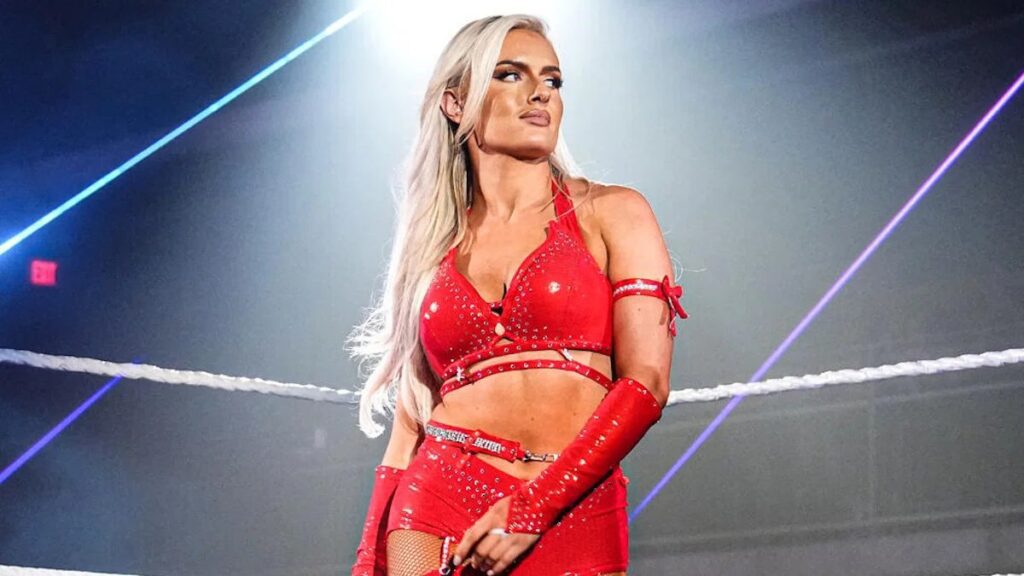
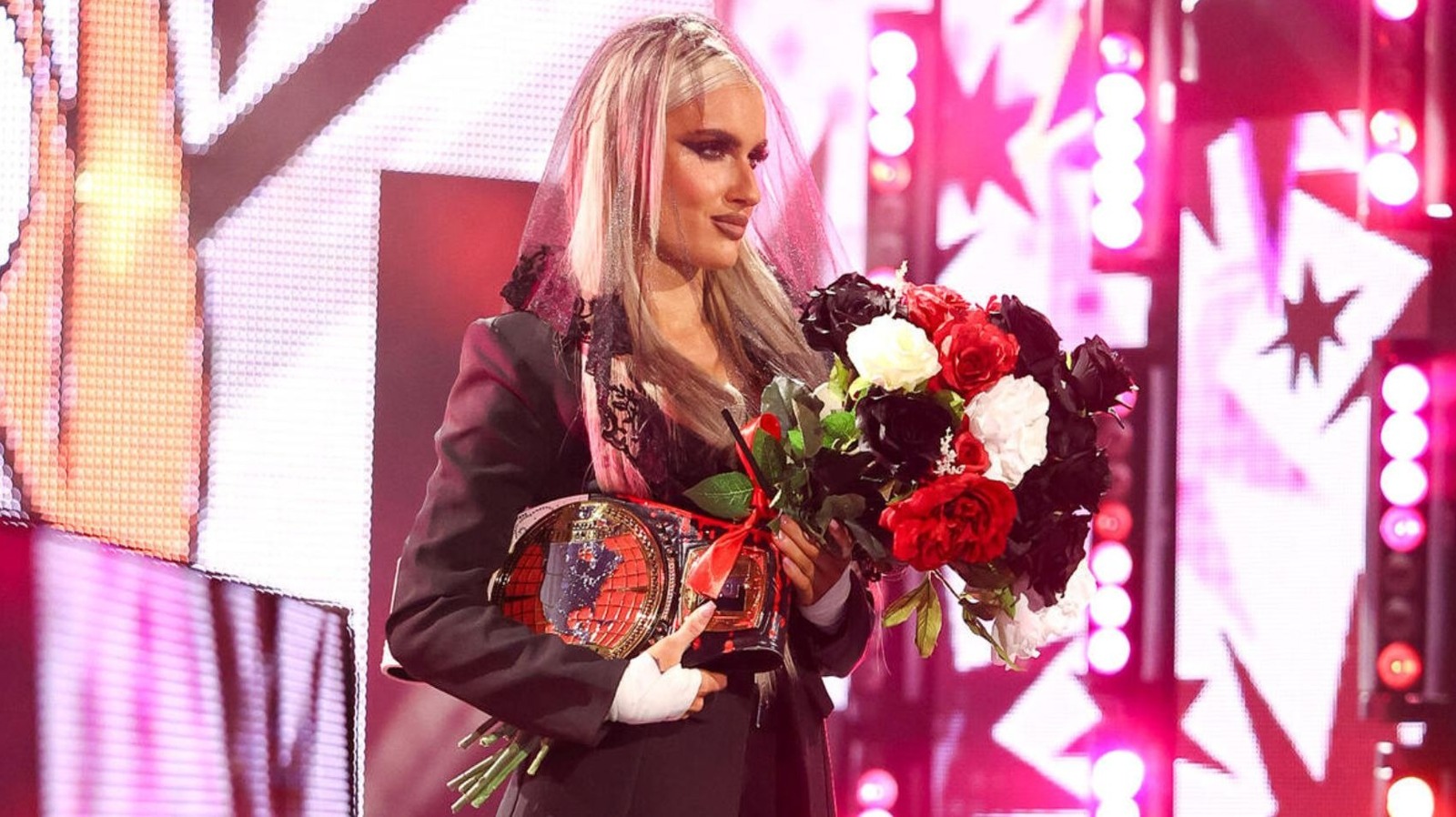
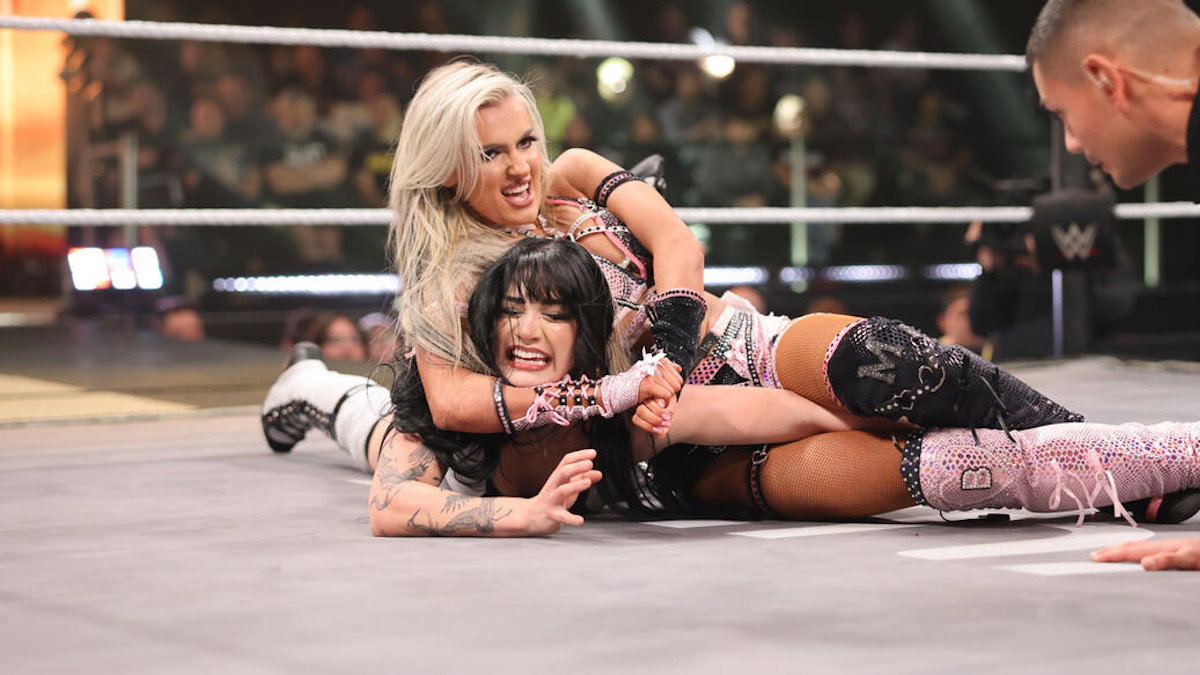
The brackets for the inaugural John Cena Classic are coming into focus, and the underlying narrative is already being telegraphed. WWE is utilizing this platform not just as a ceremonial tournament, but as an immediate launchpad for new roster acquisitions. You can see the groundwork being laid right out in the open. Before she even makes her official SmackDown debut, Blake Monroe is already calling her shots. She explicitly named NXT’s Tatum Paxley and Kendal Grey as her ideal opponents for the tournament, as WrestleTalk recently reported.
This is deliberate media positioning. Monroe knows exactly what she is doing. By targeting Paxley and Grey, she is selecting two completely divergent stylistic tests. One is a master of chaotic acceleration. The other is a ground-control technician. Beating both is the quickest way to validate a main roster push to a skeptical audience. The front office is listening, and the matchmakers are taking notes. These are the exact matchups that expose whether a rookie is ready for live television or if they need another six months at the Performance Center.
The Mat General vs. The Agent of Chaos
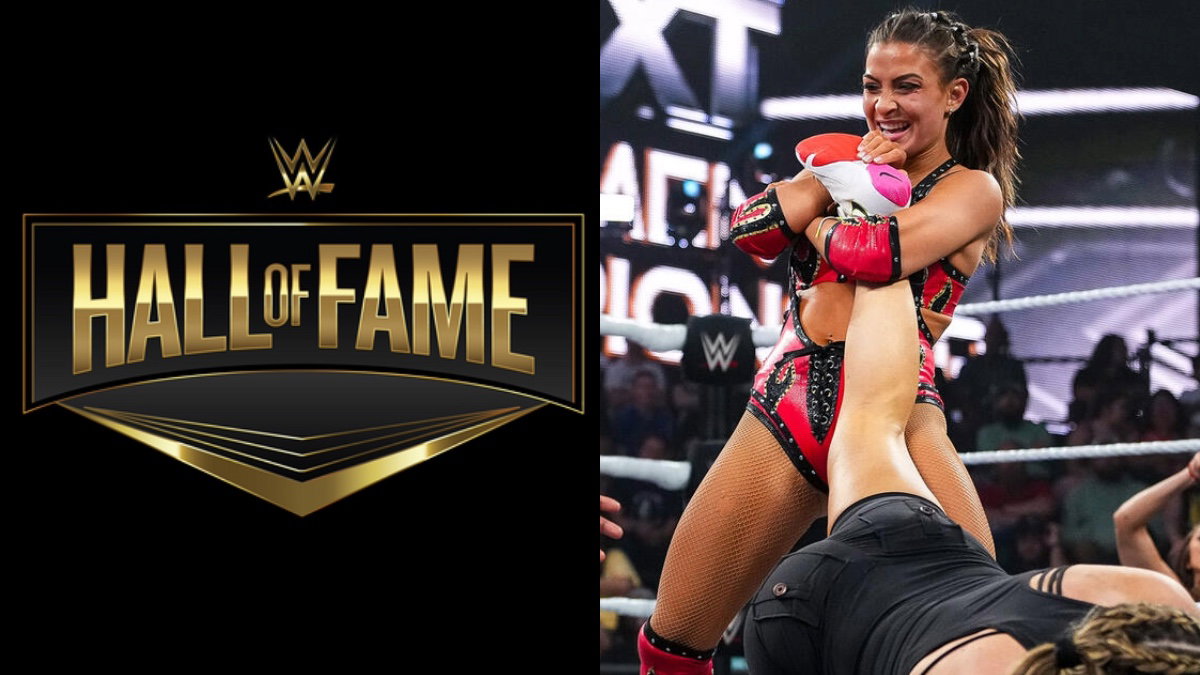
Let’s break down Kendal Grey first. Her amateur background dictates her entire ring geometry. Watch her base when she ties up with an opponent. She keeps her hips low and her weight distributed perfectly. This makes her nearly impossible to snapmare or drag without a massive mechanical advantage. Grey thrives in the first phase of a hold. She uses an ankle pick that transitions fluidly into a modified heel hook.
If she gets her opponent to the mat in the first two minutes, her win probability skyrockets. She dominates wrist control on the canvas. She forces opponents to burn massive amounts of oxygen just trying to stand back up. Her gutwrench suplex is a thing of beauty, utilizing pure rotational force rather than just lifting with her lower back.
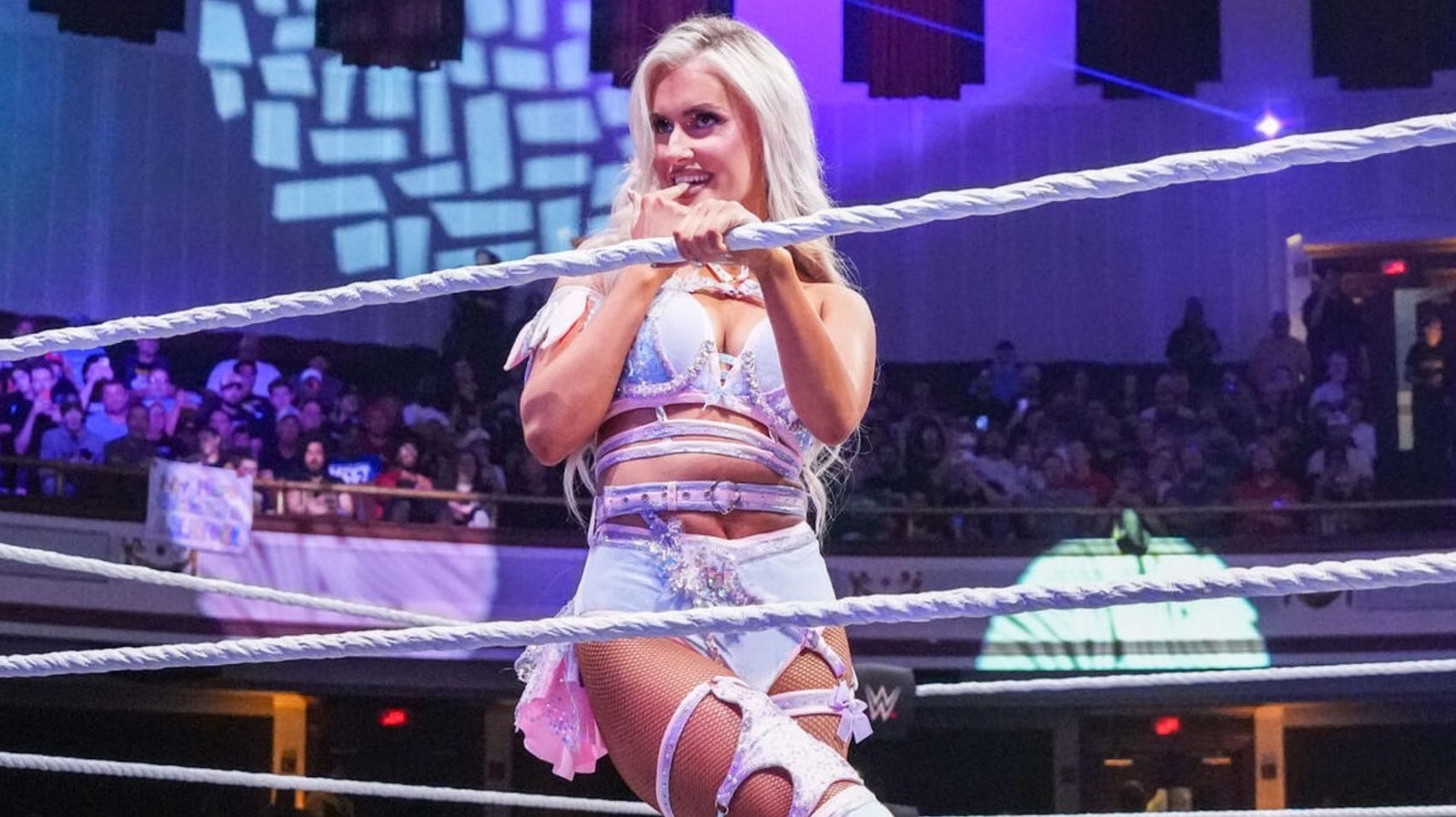
Tatum Paxley presents an entirely different tactical problem. Paxley does not care about wrist control or mat returns. Paxley cares about velocity and blunt force. Her offense is built on abrupt, violent shifts in momentum. She throws herself into her strikes with a reckless abandon that actually makes her exceedingly difficult to counter. Traditional counter-wrestling relies on anticipating standard footwork.
Paxley doesn't use standard footwork. She stumbles, lunges, and throws snap suplexes from awkward angles that shouldn't generate torque, yet somehow do. She will take a horrifying bump to the floor just to reset the pace of the match. That erratic pacing is her greatest weapon against traditional workers. It completely breaks the rhythm of technical purists.
If Monroe expects a standard lock-up in the center of the ring, Paxley will bypass it entirely. She will charge at the bell, throw a headbutt to the sternum, and dropkick her opponent out of the ring. Paxley drags matches into deep water by turning them into ugly, disjointed brawls. You cannot out-wrestle her because she refuses to engage in a wrestling match.
The Rushed Undercard Problem
There is a glaring flaw in how a worker like Grey is being utilized right now. WWE has a terrible habit of rushing tournament undercards. We are seeing intricate grapplers squeezed into four-minute television windows. You cannot establish joint manipulation and a slow-burn limb targeting psychology when the producer is screaming in the referee's earpiece to go home before the commercial break.
Grey suffers immensely in sprint matches. If she meets Monroe in an early round on free television rather than a pay-per-view final, she is fighting at a severe disadvantage. The format actively penalizes mat wrestling. It rewards high-spot heavy workers who can cram their entire moveset into a tiny broadcast block.
The Final Sequence
Then we have Blake Monroe. We have been waiting for her SmackDown arrival since the vignettes started rolling out back in April. Holding her debut back to coincide with the John Cena Classic is a brilliant piece of booking mechanics. It protects her from the aimless midcard shuffle. It drops her directly into a structured, high-stakes competitive environment where wins and losses actually matter.
Monroe’s tape shows a highly methodical, devastatingly precise striker. She doesn’t throw combinations for the sake of looking busy or popping the crowd. Every kick has a specific tactical target. She usually attacks the lead leg early to kill an opponent's drive. When you deaden the lead leg, you eliminate the solid base required for a suplex. You eliminate the explosion needed for a spear or a running strike.
She dictates range better than almost anyone else in her current cohort. Against Paxley, Monroe just needs to maintain absolute distance. She must let Paxley burn her chaotic energy swinging at air, then step in with a stiff intercepting knee when Paxley inevitably rushes forward. It requires immense discipline to not get sucked into Paxley's brawling style.
Against Grey, the strategy must shift entirely. Monroe absolutely cannot afford to go to the mat early. She has to use a high-guard and circle away from Grey’s dominant right side. She has to force the grappler to shoot awkwardly across her body. If Grey gets her hands locked around Monroe's waist, the match is effectively over. Monroe's sprawl and footwork will be tested immediately.
This entire tournament is a thinly veiled audition for the next top contender in the women's division. The front office is actively watching these specific stylistic clashes. It is not an accident that Monroe named these two women in the media. It is a public broadcast of her own internal scouting report. She knows these are the benchmark tests that management cares about.
If Paxley advances deep into the tournament, it means creative values highlight-reel car crashes over sustained ring psychology. I don't buy that direction for this specific event. The John Cena Classic implies a certain level of traditional, main-event style match structure. That requires workers who can build to a crescendo over fifteen minutes, not just pop the crowd with an apron bump.
Here is exactly how this plays out. Monroe is going to get her wish, but she will face them sequentially. The booking sheets will align to give her Paxley in the semi-finals. It will be a messy, high-speed brawl that quickly spills to the outside. Monroe will survive the initial blitz, hit a targeted knee strike to Paxley’s jaw as she dives through the ropes, and secure the pin before the 10-minute mark.
That sets up a final against Kendal Grey. This is the match the performance center trainers actually want to see. It is the classic striker-versus-grappler dynamic played out on a main roster stage. Grey will get Monroe to the mat early. She will grind down Monroe's left arm, looking for a submission and testing Monroe's defensive grappling.
But Monroe’s ring awareness will ultimately save her. She will use the bottom rope to force a break, demand a standing reset at the 14-minute mark, and catch Grey with a brutal roundhouse kick to the temple as Grey shoots for a desperate double-leg takedown. Monroe wins the tournament. She bypasses the usual rookie initiation on SmackDown and immediately steps into a title program by mid-summer. The booking is writing itself in plain sight.
Read Next
- Blake Monroe is the perfect chaos agent for WWE's Spanish tour
- Lyra Valkyria calling out Kelani Jordan is exactly what this tournament needs
- Lyra Valkyria sets her sights on Kelani Jordan for the John Cena Classic
- ROH is stuck in a loop of squash matches and missed opportunities
- 🏆 WrestleMania 41 — Full Coverage Hub
- 👴 John Cena Retirement Tour 2026