The Enforcer just opened a massive can of worms
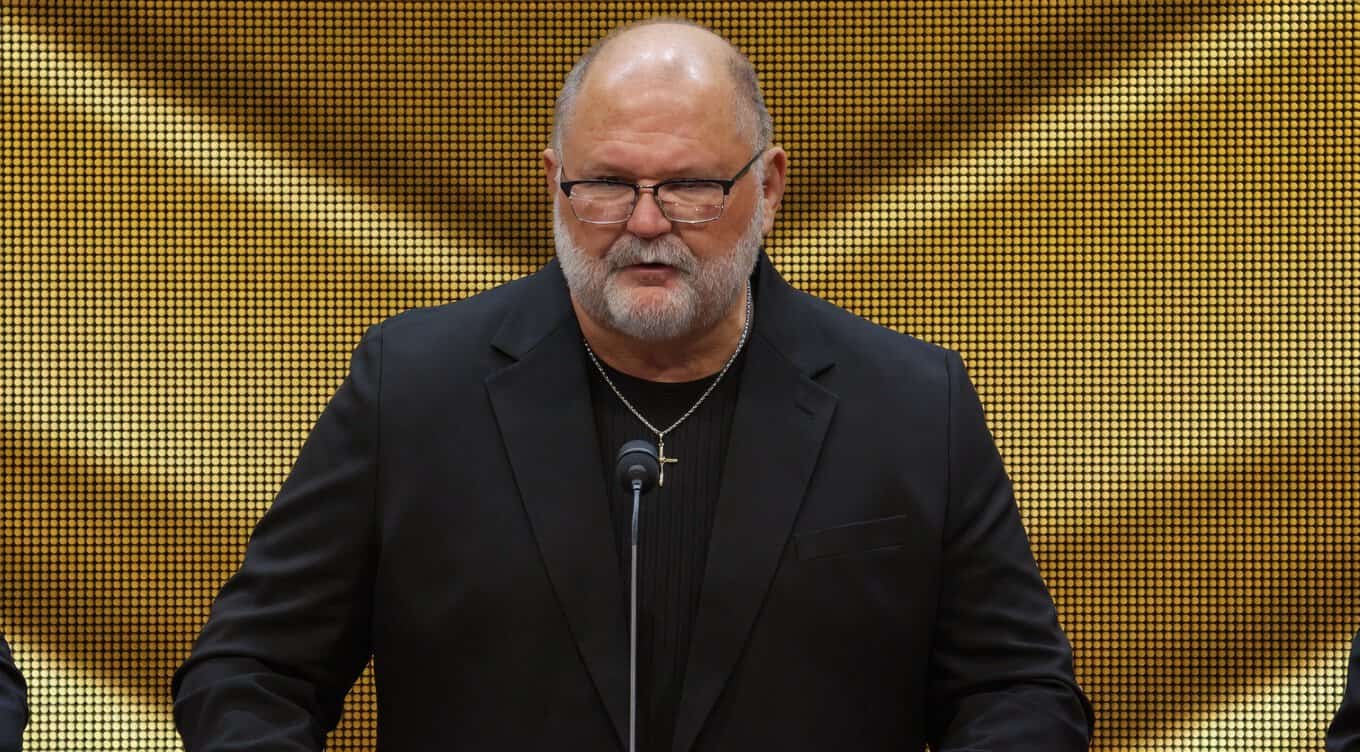
Arn Anderson has been making his rounds on the press circuit recently, and let’s just say he isn't exactly pulling punches. When a guy who spent his career playing the smartest guy in the room starts casting a modern Four Horsemen, people are going to pay attention. We aren't talking about obscure indie jobbers here; we are talking about the gold standard of wrestling stables.
The internet, as per its natural state, has reacted with a mix of reverence and unadulterated hostility. You have your purists who think even mentioning the legacy of the Horsemen in 2026 is blasphemy. Then you have the fantasy bookers who think they have better ideas for a faction than the man who literally wrote the book on stable dynamics.
The purists want the history book left under lock and key
The sentiment from the traditionalists is loud and clear: stop trying to recreate lightning. The Four Horsemen were a product of a specific time, a specific region, and a specific level of legitimate hatred that we just don't have in the modern era of television-friendly professional wrestling.
One user on the forums noted that watching someone try to build a modern Horsemen squad feels like watching a reboot of a classic movie where the director clearly never watched the original. They argue that the chemistry between Ric Flair, Tully Blanchard, Arn Anderson, and Barry Windham was organic and impossible to manufacture with scripts or social media heat.
It is hard to argue with that perspective. Those guys were legitimately tough, and they actually did the work to become the biggest heels in every territory they touched for the better part of a decade. Trying to find four guys who combine that level of ring generalship and promo intensity in today's environment is more than just a challenge; it might be a pipe dream.
The fantasy bookers are throwing darts at the board
On the flip side, you have the fans who are absolutely living for these hypothetical lineups. They are treating this like a fantasy draft for a championship season. Some suggest going heavy on the technical wrestlers, while others want to include the biggest personalities on the current roster to ensure the group has true star power.
There is a lot of debate about whether the faction needs a clear leader like Flair. Does the group need a charismatic mouthpiece, or should they just focus on guys who can put on clinics and beat their opponents bell-to-bell? These conversations usually devolve into arguments about which promotion has the best technical workers compared to which promotion has the best booking track record.
The fans point out that just throwing four high-level workers together is a recipe for disaster. We have seen it time and time again where a group is assembled with great individual parts, only for the unit to feel hollow because there is no glue holding them together. That remains the biggest hurdle for anyone attempting to evoke the spirit of the 80s.
Reflecting on how Jim Crockett Promotions went off the rails
Arn didn't stop at talking about his dream lineup, though. He also spoke about the downfall of Jim Crockett Promotions, which has really sent the history nerds into overdrive. It is one thing to look at cool fantasy stables; it is another to analyze the logistical decay of a wrestling empire.
His breakdown of why that ship sank is pretty damning. The consensus among the community suggests that he isn't just venting; he is pointing out the exact kind of short-term thinking that kills organizations. When focus shifts from the product on the screen to the balance sheet, the product is always the first thing to get axed.
One point of contention is the role of management versus the wrestlers. Some fans argue that the talent should have seen the writing on the wall sooner, while others defend them, saying the wrestlers can only perform, they can't control the purse strings. It is a debate that has raged for decades and likely isn't going anywhere anytime soon.
The final verdict on the Arn discourse
So, who has the better argument? The fans who want to leave the past in the past, or the ones trying to find the modern torchbearers? I have to lean toward the skeptics on this one. The environment required to create a group with the cultural impact of the Horsemen just doesn't exist anymore.
We have too many shows, too much content, and not enough focus on the slow-burn storytelling that made the Horsemen feel like a legitimate threat to society. You don't get that kind of aura when you need to fill 3 hours of television every single week without fail. Expecting lightning to strike twice is just setting yourself up for disappointment.
All that being said, the conversation itself reveals something important. We still care about stories. We still care about the idea of a squad that can run through a division. As long as people are arguing about what makes a great stable, it means the industry has a benchmark to aim for, even if they hit that mark as often as a Hail Mary pass in the 4th quarter. At least we are still talking about how professional wrestling *should* be done, which is a lot better than not talking about it at all.