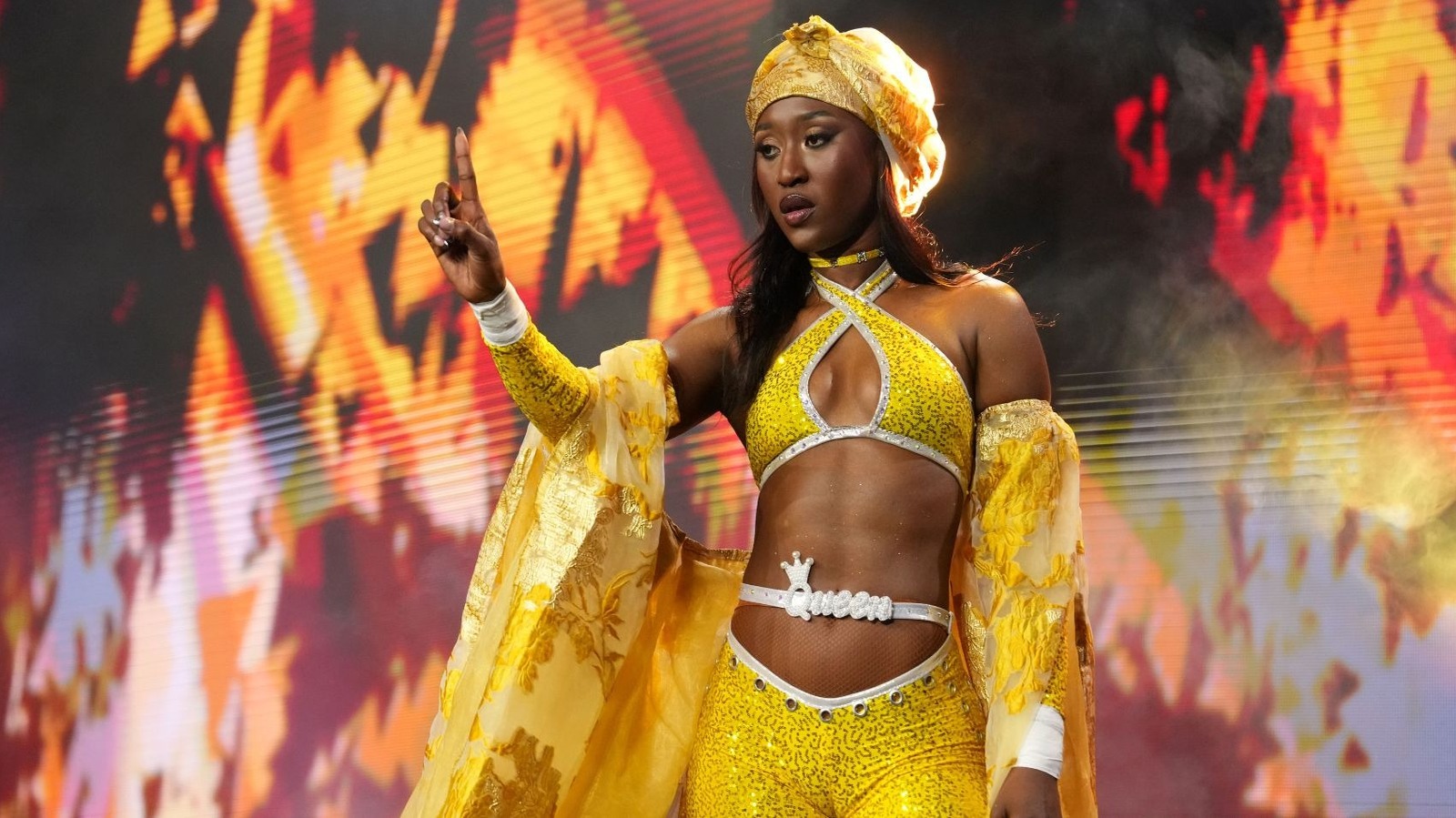
The scramble for the vacant TBS belt
AEW remains in a transition state following the decision by Willow Nightingale to relinquish the TBS Championship. The announcement of a six-woman field competing to fill the vacancy introduces an immediate unpredictability to the division. We are no longer operating under the steady hand of Nightingale’s reign, which forced a specific defensive posture from her challengers.
This vacancy shifts the tactical focus toward speed and high-variance transitions. Six competitors fighting for a single belt creates a logjam of styles that will test the bookers’ ability to maintain ring psychology. We have seen periods where AEW’s women’s division stalled because the transition from technical sequences to high-impact finishes felt forced. Now, with a blank slate, internal competition for screen time among these six will dictate the pace.
Tactical flaws in the path forward
The absence of Nightingale creates a vacuum that requires an immediate stabilizer. Without her, the division lacks a clear anchor point for its weekly rhythm. The past few months of booking have left mid-card performers struggling to differentiate their offensive output. If the tournament structure is overly linear, we risk a predictable march to a crowning moment that lacks narrative momentum.
The risk here is a reliance on multi-woman tag matches to fill the ramp-up phase, a common issue that hampers individual progression. Wrestlers often lose the specific character beats that make a title chase compelling when they are buried in six-person chaos. We need the spotlight to narrow quickly. By the third week of this tournament, the primary contenders must distinguish their move sets from the field filler.
The weight of the vacant championship
AEW has established a pattern of quick title turns when a belt is vacated, but that urgency can ignore the need for proper build. I recall the shift when the title was anchored by consistent, high-percentage output that prioritized ring position. That tactical intelligence has been absent, and this tournament serves as the primary evaluation of whether the division can regain it.
Watch the transition frequency. The top athletes in this group, specifically those who utilize strike-heavy variants of the suplex or high-rotation reversals, will likely emerge as the favorites. If a wrestler relies too heavily on static setups—waiting for an opponent to rise rather than creating an opening through movement—the crowd will sense the lack of rhythm. It is a simple metric for success: the competitor who controls the pacing of their transition sequences will be the one holding the belt.
As Ringside News recently detailed, the field is wide open, but that carries weight beyond the bracket. Every participant is auditioning for the authority they will command over the division. A victory without demonstrating a refined technical base will be a shallow achievement. I expect the final to be decided by a counter-offensive sequence executed during a high-risk spot. That is where we will see who is ready to carry this division forward.
My prediction for the winner rests on the competitor who can blend technical efficiency with the high-risk style that AEW fans demand. I lean toward a veteran currently shifting back into form. They will secure the vacant title after a signature maneuver that yields a three-count in the center of the ring. Anything less would be a missed opportunity to reset the credibility of the secondary gold.