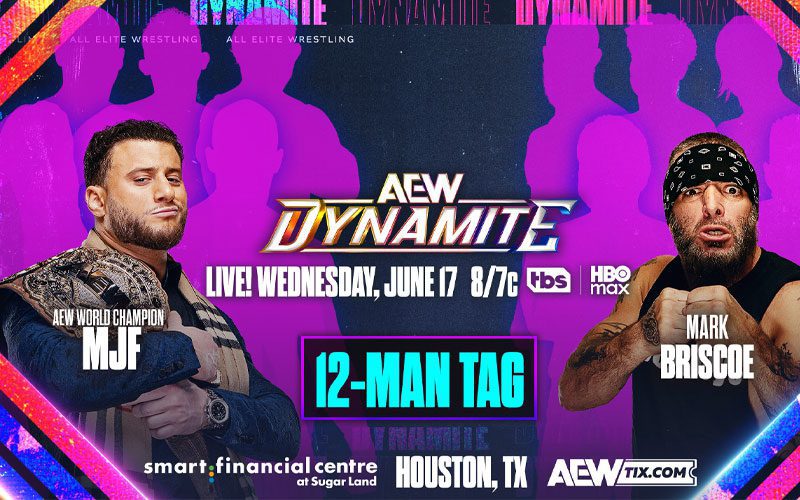
The structural flaws of the 12-man showcase
AEW Dynamite returns this week with a booking philosophy that leans heavily on the spectacle of the 12-man tag team match. While the roster depth is objectively high, these bouts often prioritize crowd engagement over coherent ring psychology. Spacing becomes a secondary concern when twelve performers occupy the apron at once, leading to the inevitable breakdown of established tag team rules.
Referees are asked to maintain order in a format designed for chaos, which inevitably diminishes the impact of specialized maneuvers. When the ring is that crowded, the tag logic that makes professional wrestling a coherent narrative sport is discarded for mere high-spot rotations. If you look at the match logs from mid-2025, these segments often suffer from diminishing returns in the final act. Viewers lose track of momentum shifts when the active participants are rotated every 45-60 seconds.
Mercedes Mone faces a stylistic clash
The centerpiece of the show features Mercedes Mone in singles competition against Hazuki. This is a technical encounter that offers a necessary reprieve from the cluster-booking mentioned above. Mone has spent the last year refining her pacing, shifting away from the high-octane style favored by peers to emphasize submission transitions and deliberate limb work.
Hazuki brings a distinct velocity to the ring. Her ability to cut off ring space makes her a natural antagonist for a performer like Mone who thrives on controlling the verticality of a match. Watch the opening three minutes of this exchange. If Hazuki can force a scramble early, she might neutralize Mone’s ground-based advantage. That sort of tactical maneuvering is what elevates a standard televised match into a compelling study of styles.
The booking trend that worries observers
Tony Khan’s continued lean into massive group matches is a gamble on short-term viewership spikes. As WrestlingNews.co previewed, the reliance on high-volume rosters suggests a desire to get as many notable names on screen as possible. However, the data rarely supports this as a long-term strategy for retaining audience focus. Efficiency in storytelling is usually sacrificed for the sake of an empty inclusion list.
There is a risk in this methodology. When creative teams prioritize the roster card over the internal logic of a rivalry, the fans stop tracking the stakes. The 12-man match serves as a buffer, but it lacks the weight of a featured collision. Without clear victors established through disciplined sequences, these contests become mere filler in the runtime. Fans deserve higher stakes and tighter execution.
Predicting the outcome
I anticipate Mone will secure a victory over Hazuki, likely utilizing her signature finish after a back-and-forth sequence that crosses the 14-minute mark. Her character arc requires a string of clean wins to bolster her position. As for the 12-man tag, expect a predictable finish involving a series of superkicks followed by a chaotic scramble. It will serve its purpose as a buffer, but it is unlikely to leave a lasting impact on the show’s overall trajectory. It is time for the booking to shift toward elevated stakes rather than just gathering bodies under the lights.