The Wembley Gamble
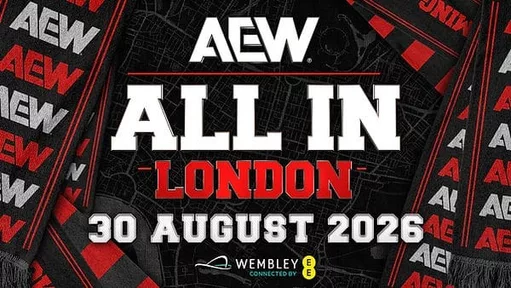
AEW is heading back to Wembley Stadium for All In 2026. Tony Khan is chasing the ghost of 2023, where 81,035 fans packed the venue for the debut of the brand in London. That night felt like a genuine cultural shift, a defiant retort to anyone claiming the wrestling business was a two-horse race dominated by WWE.
But nostalgia is a dangerous drug in booking. The 2023 event succeeded because it was a novelty, a singular moment where Ospreay versus Jericho and MJF versus Adam Cole felt like the center of the universe. By the time 2026 rolls around, the novelty will have worn off. Wrestling audiences are fickle creatures, and they don't buy tickets just to be part of a historical footnote twice.
The Numbers Problem
The biggest hurdle is the reality of ticket sales versus the optics of a cavernous stadium. During the 2024 event, the attendance figures dropped significantly to 53,371. That is a massive decline in just twelve months. If they aim for the rafters again, they risk massive swaths of empty seats that look terrible on high-definition cameras.
A stadium show needs a card that feels like an end-of-days catastrophe. The 2023 show had the benefit of the CM Punk-Jack Perry incident serving as a bizarre, high-stakes backdrop. Without a hook, or perhaps a massive marquee attraction like a returning Kenny Omega in a prime spot, Wembley looks like a chore for the casual fan. Expecting a repeat of the 80,000-plus gate is delusional.
Logistics and the Fan Experience
Traveling to Wembley for a wrestling show is an expensive habit. International fans are already feeling the pinch of flights and hotel costs in London. When you combine that with the recent industry reporting on AEW's television rights negotiations and roster bloat, the value proposition starts to waver. Fans are beginning to weigh the cost of a long-haul flight against the quality of the weekly product.
The stadium experience itself also has flaws. The sightlines from the upper tiers at Wembley are notoriously poor, making the ring look like a postage stamp. At Dave Meltzer's recent coverage of stadium shows, he noted that the atmosphere dies in the nosebleeds when the action is slow. If the pacing of the 2026 event matches the seven-hour marathons of previous years, the crowd will be exhausted by the time the main event hits the ring.
The Booking Blind Spot
Booking a show for a venue this size requires a different philosophy than a Wednesday night in a 5,000-seat arena. You cannot rely on a series of 20-minute technical clinics to hold the interest of a stadium crowd. The 2023 main event worked because the tension between MJF and Cole mattered beyond the moveset.
If the promotion continues to prioritize work-rate over coherent, long-term storytelling, the 2026 show will struggle. They need to stop treating Wembley like a giant version of a Dynamite taping. It needs to be a spectacle. If they don't change the presentation, they are just paying a premium rental fee to highlight their own cooling momentum.