The Saturday night identity crisis
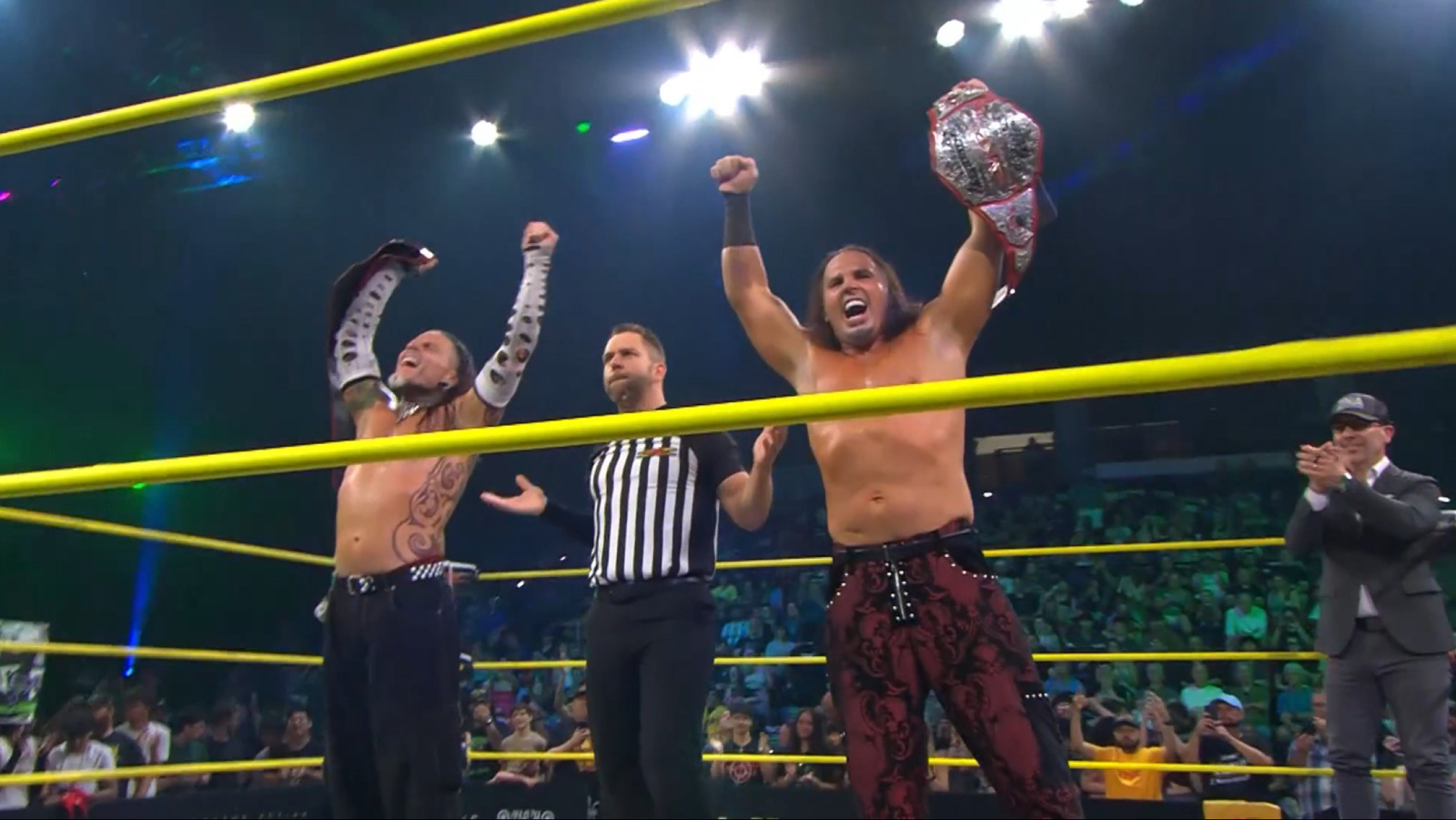
AEW Collision has spent the majority of its existence searching for a consistent pulse. Following the release of the latest match clips from the July 11 episode, the production feels stuck in a loop of high-intensity wrestling that lacks narrative glue. We are seeing crisp exchanges, but the stakes often feel detached from the broader company trajectory.
The current booking strategy relies heavily on technical displays to carry the runtime. While the in-ring work remains above average, the lack of long-term character development is moving at a 0.0 percent success rate for building genuine heel-face tension. Wrestling is a visual medium governed by momentum, and right now, the momentum is static.
The strategic pitfalls of the mid-card
Observe the way title challengers are introduced. Often, a performer is thrust into a marquee spot after a clean win on Collision without a proper feud-building foundation. This creates a vacuum where the viewer enjoys the move execution but forgets the finish within forty-eight hours.
Just as Sheamus exiting WWE forces a structural rethink elsewhere, AEW needs to examine their reliance on exhibition-style bouts. A three-minute promo segment should not be the only bridge between two main-event caliber talents. If the match quality is already high, it requires a conflict hook to justify the investment of the audience's time.
Analyzing the booking patterns
The office is clearly pushing for a faster pace, but speed is not a substitute for psychology. I have tracked the last month’s main events, and the average match time is skewing heavily toward the 14-minute mark. These matches are excellent in isolation, but they suffer from a lack of unique selling points.
Consider the recent footage from July 11. While the technical proficiency on display was notable, it looked exactly like the footage from June 20 or July 4. When every match is a showcase of athleticism, the athleticism ceases to be special.
What to watch for this weekend
Watch for the spacing of transition moves in the upcoming tapings. If the cadence remains identical to the previous week, the booking team is falling into a habitual trap. I am looking for a disruption in the flow—a deliberate slowing of the pace to allow for character beats inside the ropes.
Marketing can try to hype the matches as much as they want, but if the roster does not shift the tone, the diminishing returns on Collision will continue. Similar to how WWE’s promotional decisions for future events spark debate, fans are starting to notice when the internal logic doesn't hold up. The roster is too deep to allow these matches to exist in a vacuum.
Final assessment
My prediction for the direction of the brand is simple: stagnation. Without a shift in how they marry character work to these athletic bouts, the show remains a high-end exercise in drills rather than a compelling drama. They have the talent to fix the pacing issues, but they lack the commitment to make the adjustments necessary to distinguish their output from a workout session.