The shadow of Chicago hangs over Jacksonville
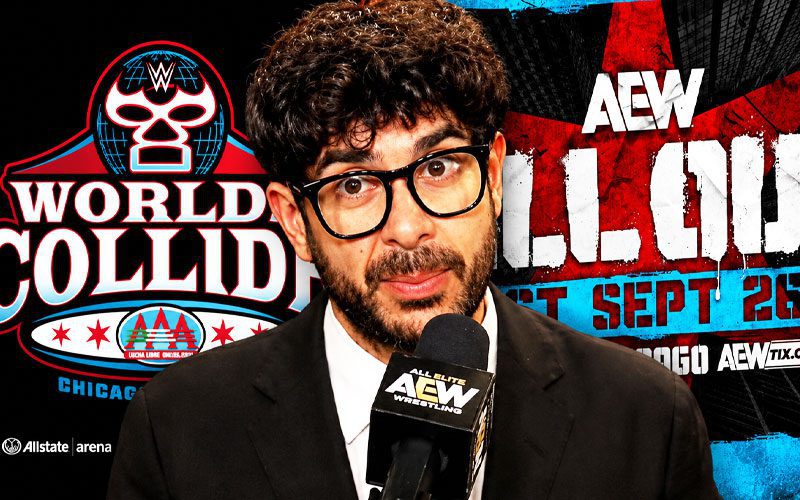
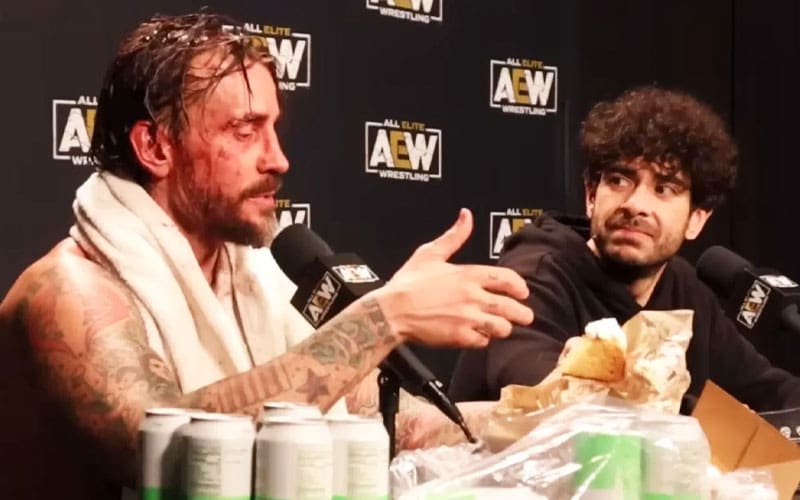
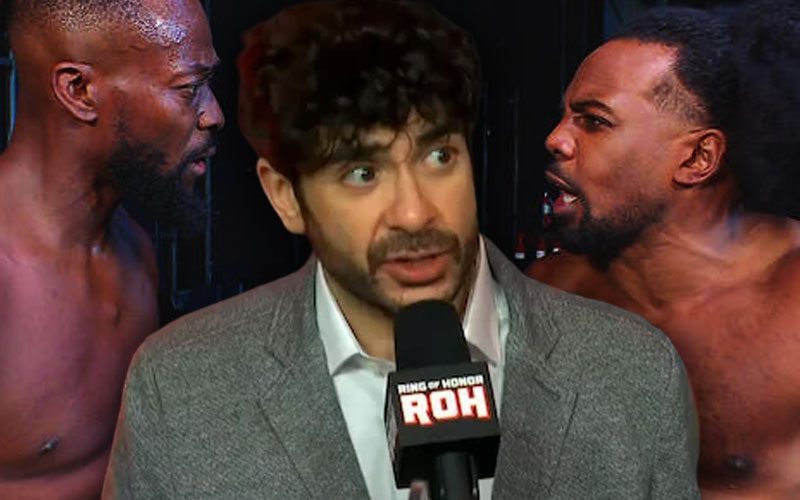
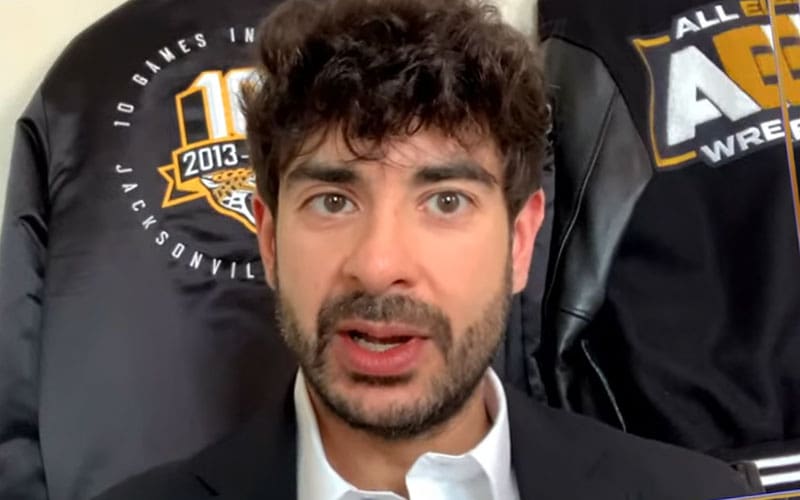
Tony Khan recently articulated his management philosophy, focusing on a reluctance to hold long-term grudges when navigating internal conflicts. This perspective arrived directly following a discussion regarding the messy termination of CM Punk. While professional distance is a virtue in sports management, it creates a unique tension in professional wrestling, where narratives bleed directly into locker room dynamics.
As Wrestling Inc reported, Khan believes this approach stabilizes the company. However, objective observation of AEW programming over the last six months suggests this philosophy has led to a lack of clear disciplinary boundaries. A promotion cannot operate solely on benevolent intentions if it hopes to maintain parity with its competitors during the industry’s most aggressive period of growth in decades.
The structural flaws in AEW booking
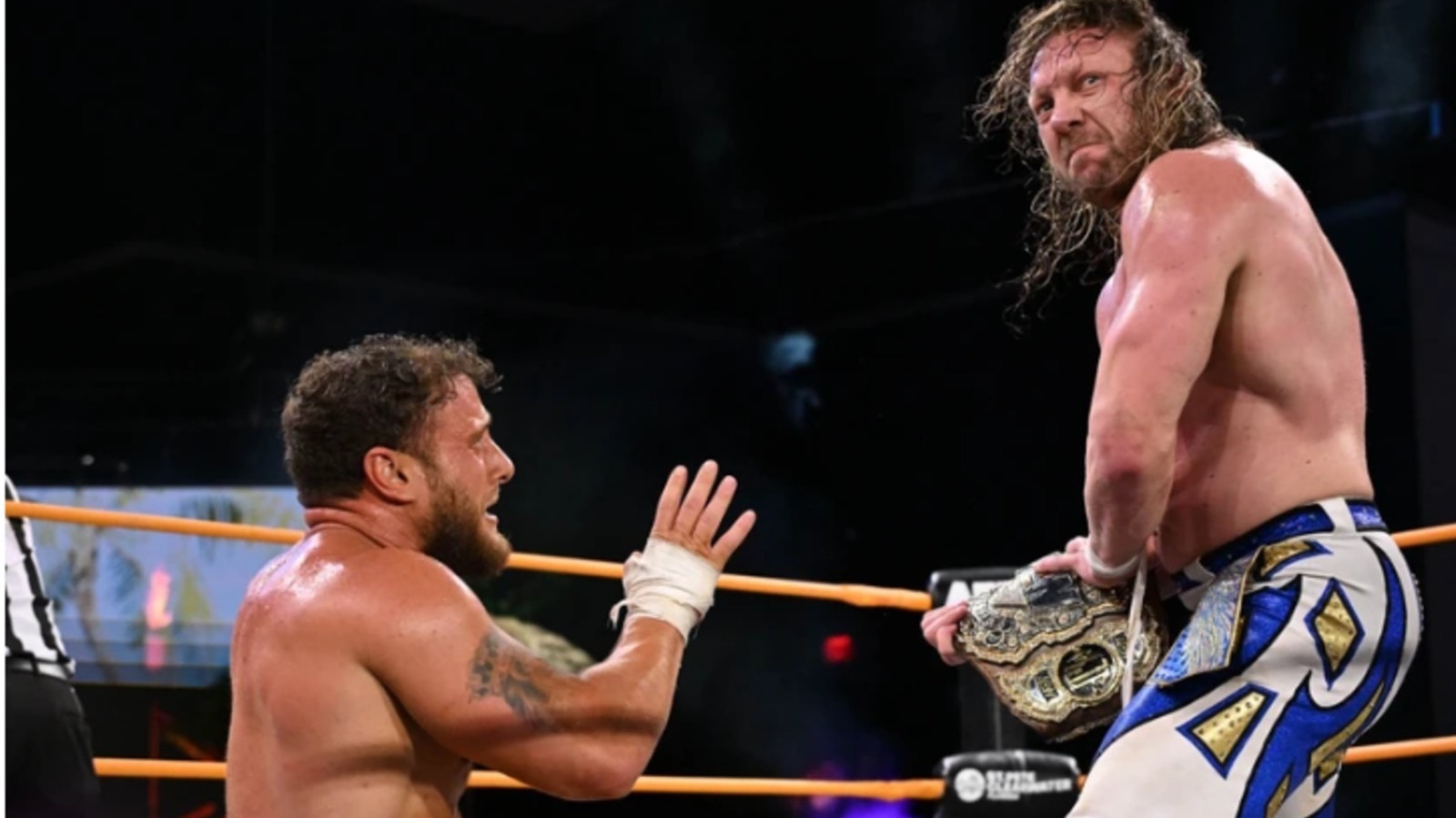
The core issue remains the bridge between high-stakes storytelling and execution. Too often, massive matches suffer from pacing issues that negate the efforts of the talent involved. Take the recent trend of over-reliance on interference-heavy finishes during television main events. When every high-profile bout requires an apron-bump disruption to progress the story, the actual work in the ring becomes secondary.
Technical precision is one thing, but narrative discipline is another. Khan’s inability to draw a hard line during past volatile incidents created a vacuum that allowed talent egos to override match quality. Fans are still waiting for a pay-per-view offering that balances technical excellence with coherent, long-term payoff. The upcoming cycle heading into late May needs a tighter grip on the steering wheel if the promotion wants to avoid the stagnation that has plagued some of its recent mid-card segments.
What to watch for in the coming weeks
As we approach late April, the focus shifts toward maintaining momentum for the Double or Nothing cycle. If the booking remains scattershot, viewership metrics will continue their plateau. Keep a sharp eye on how the mid-card talent is utilized during the next four weeks. Are we seeing growth in the younger roster members, or are they being relegated to fodder for established stars who are already coasting?
One critical observation: the tag team division has lost the structural identity it held during the promotion's formative years. The focus on individual high-flyers has often come at the expense of consistent, tag-based psychology. Expecting a return to form is optimistic without a shift in focus toward coherent, team-based storytelling. It is not enough to have superior talent; that talent needs a framework that values the journey to the finish line, not just the spectacular nature of the spot itself.
My prediction for the weeks ahead is a mixed bag of sustained excellence in the ring and continued frustration with the creative direction. The wrestling will remain 8.5 out of 10 on average, but the narrative consistency will likely dip as we move toward the final quarter of the year. Khan has the resources to fix these cracks; he simply needs to stop prioritizing the avoidance of conflict at the expense of his show's structural integrity.