AEW is playing a dangerous game with its post-Revolution momentum

The morning after the revolution
When the dust settles on a pay-per-view as chaotic and high-stakes as AEW Revolution, the industry usually looks to the following Wednesday to see if the promotion can sustain the gravitational pull of its biggest stars. This week's episode of AEW Dynamite was not just a victory lap; it was a stress test. With the ratings numbers from March 18 now in the books, we are seeing the raw, unfiltered reality of a company trying to balance its hardcore roots with the need for sustained, mainstream relevance.
There is a specific kind of pressure that follows a marquee event. The AEW creative team, led by Tony Khan, knows that the post-PPV "hangover" is where fans decide if the current trajectory is worth their continued investment. This week, the broadcast felt like a frantic attempt to pivot from the emotional peaks of Sunday night into a new, long-term narrative structure. It was messy, it was loud, and at times, it was brilliant.
The ratings reality check
Let’s look at the numbers. The viewership figures for the March 18 edition of Dynamite suggest a fanbase that is loyal but increasingly discerning. While the total audience remains stable within the company’s established baseline, the fluctuations in the key 18-49 demographic tell a more nuanced story. The industry is no longer in the honeymoon phase of the "Wednesday Night Wars"; we are in the era of content saturation, where every minute of television must fight for its life against social media clips and on-demand streaming.
The challenge for AEW isn't just about getting people to watch; it's about giving them a reason to stay through the second hour when the main event stars have already made their exits.
The dip in the second hour is a recurring theme that keeps executives up at night. While the opening segments—usually reserved for the biggest names on the roster—draw strong numbers, the transition into the mid-card can often feel like a jarring shift in tone. If the promotion wants to break out of its current plateau, they need to ensure that the entire two-hour block feels essential, rather than just the first thirty minutes.
The fallout of the Revolution
The post-PPV landscape is defined by the winners and the losers, but more importantly, by the direction of the champions. Watching the current titleholders navigate their new challengers on this week’s show highlighted a shift in AEW’s booking philosophy. There is a palpable move toward longer, more deliberate feuds rather than the rapid-fire title defenses we saw in the company's infancy.
Standout performances
- Will Ospreay, who continues to prove that his work rate is the gold standard for the modern era. His ability to connect with the crowd, regardless of the stakes, is a massive asset.
- Mercedes Moné, who is clearly being positioned as the centerpiece of the women's division. The aura she brings to the entrance ramp is something that can't be taught, and it is clearly moving the needle in terms of social media engagement.
- Swerve Strickland, whose ascent to the top of the card feels organic and inevitable. He is the rare performer who can balance the "cool factor" with genuine, visceral intensity.
The path forward
Looking at the landscape of the show, it is clear that AEW is leaning into its reputation as a home for high-octane, athletic storytelling. However, there is a lingering question about the narrative depth of these programs. Are we getting enough character development, or are we just getting a series of high-quality matches loosely tied together by backstage brawls?
The writing staff needs to be careful. In an attempt to keep the "buzz" alive, the show occasionally feels like it is moving too fast. We see title matches announced with little build, and feuds that feel like they should be saved for the next big stage are burned through on standard episodes of Dynamite. While this makes for great immediate television, it risks devaluing the very PPV events that the company relies on for its financial health.
Ultimately, the March 18 episode was a reminder that AEW is still the most exciting promotion in the world when it hits its stride. But excitement alone isn't enough to carry a multi-year television deal. The company needs to find a way to marry the high-flying spectacle that fans love with the kind of long-form, character-driven storytelling that creates generational stars. If they can find that balance, the ratings will follow. If they continue to rely solely on the "big match" feel, they might find themselves running in place while the rest of the industry evolves around them.
The coming weeks will be telling. We aren't just watching a wrestling show; we are watching a company at a crossroads, deciding whether to be a destination for the elite or a truly global force in sports entertainment. The talent is there. The platform is there. Now, it's just about the execution.
WWE Mattel Ultimate Edition Roman Reigns Action Figure
Acknowledge your Tribal Chief in ultimate detail.
Frequently Asked Questions
What is the biggest challenge for AEW after a pay-per-view event?
How does the second hour of Dynamite impact AEW's ratings?
How has AEW's booking philosophy for champions changed?
Who are the standout performers currently driving AEW's momentum?
What is the current state of AEW's television viewership?
More Coverage
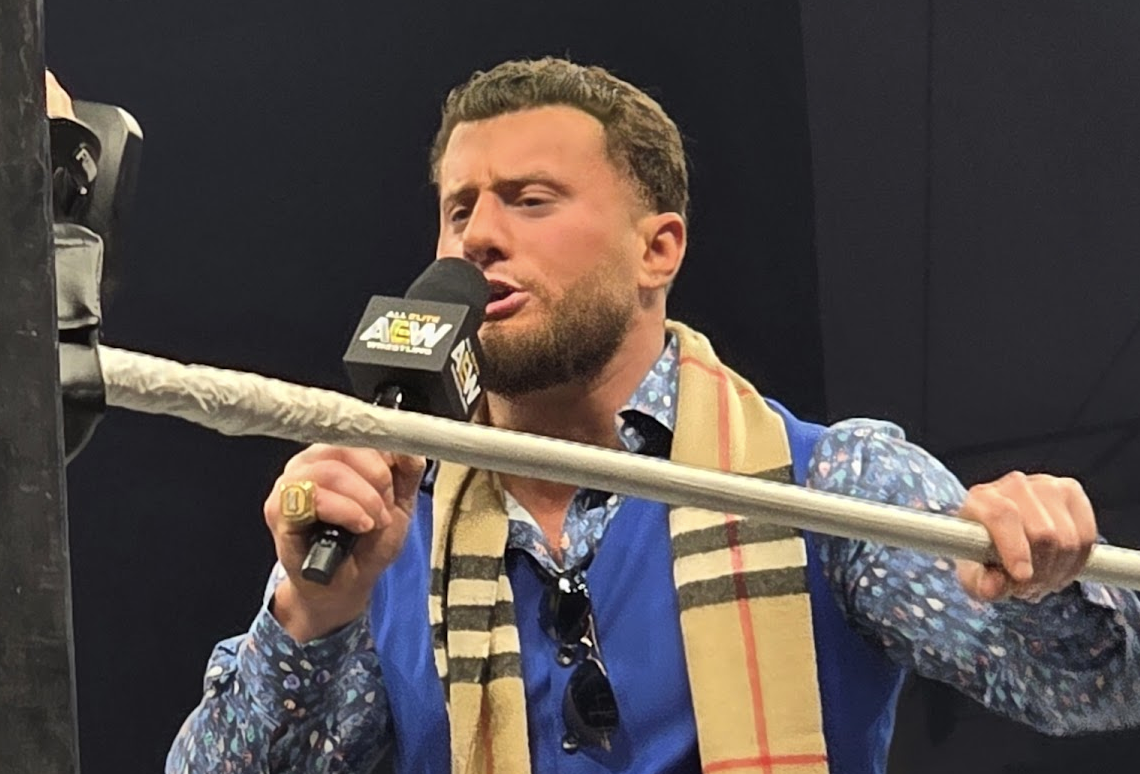
Tony Khan is fighting on every front and the fans are officially exhausted
17 hours ago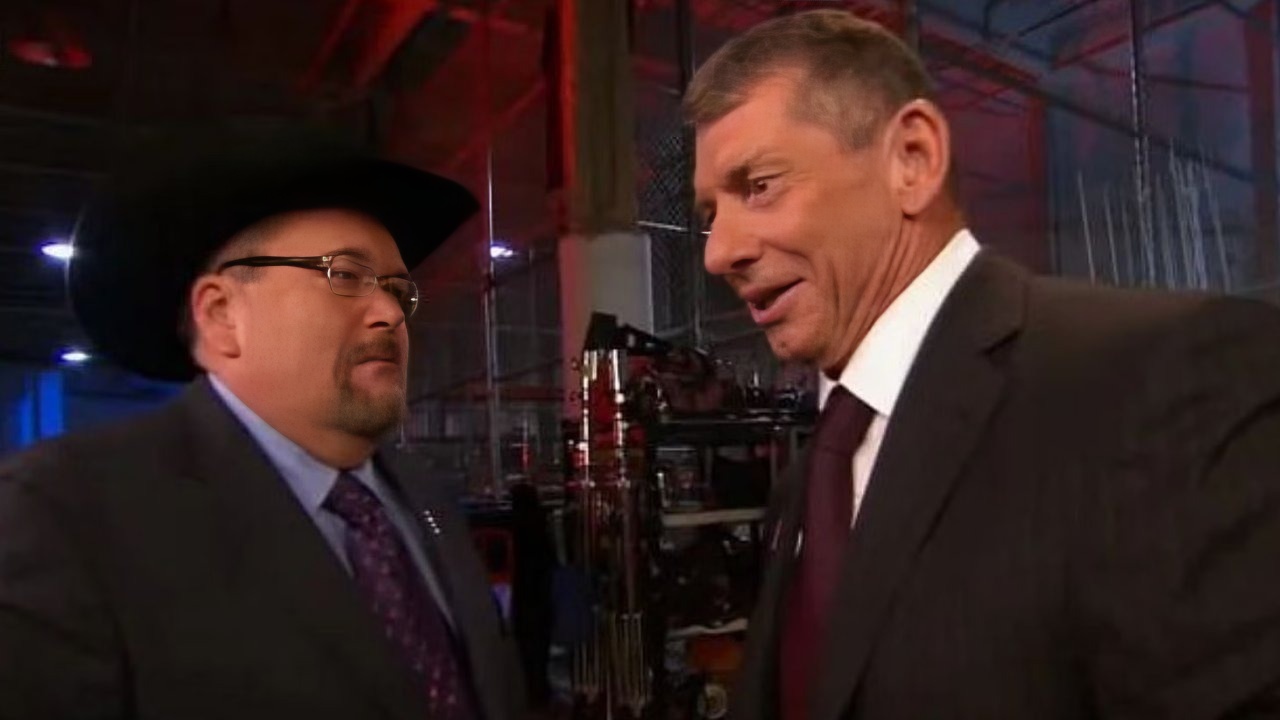
Top 10: Wrestling Moments That Changed How We Watch
22 hours agoDanhausen's NYC street march highlights the changing nature of wrestling reach
1 day, 2 hours agoAEW All In London 2026 is a masterclass in 'just enough'
1 day, 6 hours ago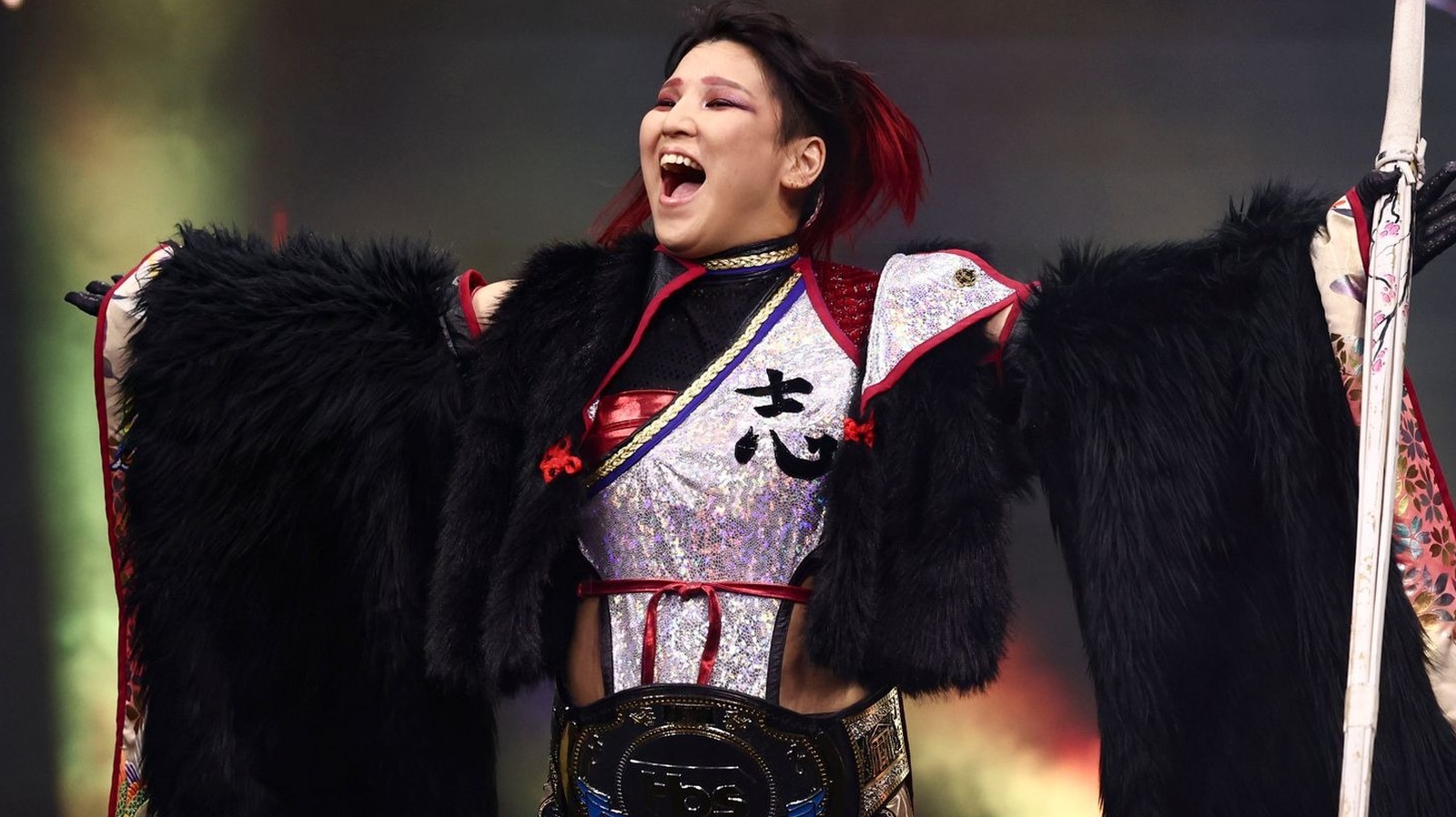
AEW Collision in Boston hits the reset button on championship focus
1 day, 9 hours ago
Tony Khan is playing chicken with WWE and the fans are losing
1 day, 11 hours agoMore Match Reports

AEW is stumbling into WrestleMania season with a weak hand
3 months, 2 weeks ago
AEW Dynamite remains stuck in a cycle of aimless momentum
3 weeks, 3 days ago
AEW's ratings bounce back is a mirage without a booking identity
3 weeks, 4 days agoAEW is playing a dangerous game with their mid-week booking
1 month, 1 week ago