The Jericho problem refuses to go away
I spent over an hour listening to the PWTorch Wrestling Night in America post-show breakdown of AEW Dynasty. Parks and JB from Detroit hit the nail on the head: the show was a high-octane affair that left us asking if AEW has forgotten how to build new stars without leaning on the crutches of 2019. Watching Chris Jericho emerge back on screen makes me feel like I am stuck in a time loop. It is not that the guy cannot go, but we are well past the point of diminishing returns.
Jericho’s career in this company has seen him pivot from the inaugural champion to a caricature of himself that just won’t exit the stage. Every time interest dips, the booking room dials up the nostalgia, hoping we forget the stagnant mid-card feuds. It is the wrestling equivalent of a franchise movie cranking out its fifth sequel just to keep stockholders happy. When you keep pulling the same card from the deck, the card loses its shine.
Mid-card chaos and the MJF conundrum
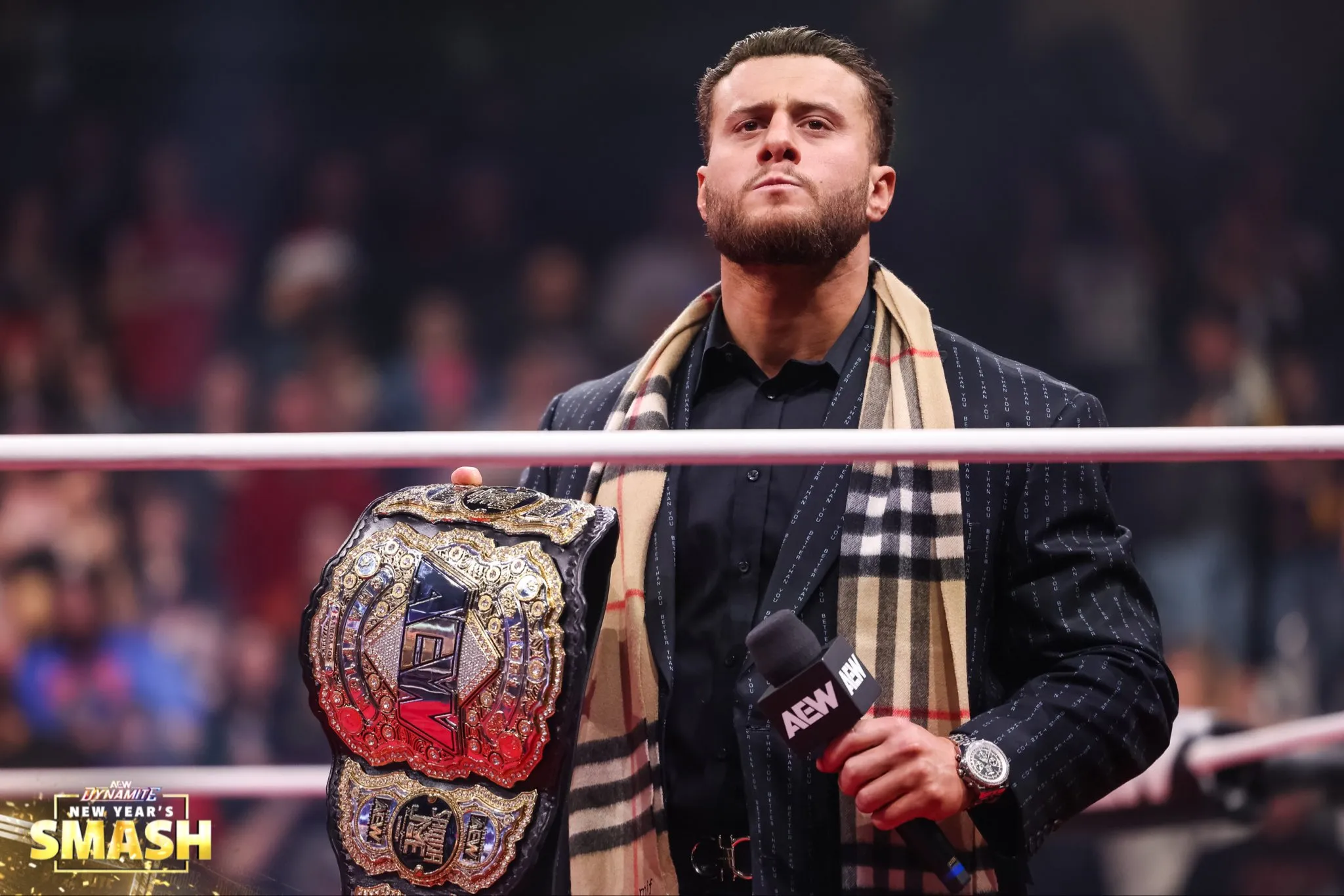
MJF retaining his spot is, on paper, the safest move in the promotion. He is arguably the most consistent talker they have, but even he is starting to feel tethered to a booking style that lacks genuine stakes. Watching the discourse around his retention, you get the sense that AEW is in a holding pattern. We saw the highs of his championship run, but now we are just watching him run laps while the rest of the division struggles to gain traction in his wake.
The discussion regarding Darby Allin’s future title shot points to the same recurring glitch in the system. Allin represents exactly what this company needs—high-risk, high-reward aerial storytelling that actually differentiates them from the competition. Yet, keeping him hovering just outside the main event title picture feels like a deliberate choice to avoid pulling the trigger on a real generational shift. Keeping the brass ring just out of reach eventually stops being interesting and starts being frustrating.
The Ospreay versus Moxley meat grinder
The Moxley and Ospreay clash is where my biggest gripe lies. These two men are capable of putting on clinics that can be watched in a vacuum, but the context suggests something is missing. Will Ospreay has moved from an outsider to the poster boy, yet the booking feels like it is scrambling to find him a purpose beyond simply existing as the best athlete on the roster. They put on 102 minutes of content worth of drama on that podcast, but the core issue remains the lack of institutional weight behind these bouts.
We need to talk about the physical toll mentioned in these post-show autopsies. Wrestling is a brutal, unforgiving art form, and watching these guys beat the hell out of each other for a crowd that has already sat through four hours of television is asking a lot. Sometimes, less is more. We don't need a grueling 30-minute main event if the story hasn't earned that level of carnage. It creates a fatigue that makes it hard to remember who actually holds gold by the time the next pay-per-view rolls around.
The road to Double or Nothing looks shaky
As we march toward May 24, the promotion feels like it is waiting for a spark. The Dynasty aftermath conversation highlighted that while the in-ring output remains top-tier, the narrative threads are fraying. We are seeing talented rosters being utilized in a vacuum where every match matters equally, which ultimately means nothing carries the weight it deserves. If everyone is a featured performer, nobody is actually special.
I enjoy the grind as much as the next fan, but I want to see a vision for the future that doesn't involve recycling the same handful of names from five years ago. When you look at the landscape of professional wrestling before the summer heat, AEW is falling into a rhythm of comfort. They are keeping their heads above water, but they are not exactly swimming toward anything new. Unless they break the cycle of predictable retention and legacy-act reliance, the audience might just find something else to do with their Sunday nights.
Read Next