
AEW is leaning on Will Ospreay to save the tag team tournament

The Winnipeg pivot point
The dust from AEW Dynasty hasn't even settled in Kansas City yet, but the focus has already shifted north. Winnipeg is a peculiar wrestling town—it has a memory like an elephant and a demand for workrate that can swallow a lesser performer whole. As PWInsider reported, the card for this Wednesday’s Dynamite is a reactive one. It is a show designed to course-correct after a weekend of high-stakes gambling in Missouri.
The headline attraction is the Don Callis Family civil war. Will Ospreay versus Kyle Fletcher is a match that, on paper, belongs in the main event of a pay-per-view. Instead, we are getting it on free television as a tactical exercise in stable dynamics. Ospreay is the golden goose. Fletcher is the workhorse who has spent the last year proving he is more than just one half of Australian Open. This isn't just a exhibition of athleticism; it is a test of hierarchy. If Fletcher pushes Ospreay to the limit, the internal friction of the Callis group becomes an active problem for Tony Khan to solve.
The Ospreay efficiency problem
Watch Ospreay’s feet when he sets up the Hidden Blade. Most wrestlers telegraph a finisher by slowing down their gait or squaring their shoulders too early. Ospreay does the opposite. He accelerates through the pivot, using the centrifugal force to add weight to a strike that is essentially a forearm to the back of the cranium. It is a surgical move. In Fletcher, he faces a man who knows his timing better than anyone else in the locker room. They have shared dojos, locker rooms, and travel schedules for years. Fletcher’s defensive shell is high; he tends to lead with his elbows to protect his chin, a habit from his more technical grappling days.
This match is a calculated risk. As Ringside News noted, the addition of this bout changed the entire complexion of the Winnipeg show. Fletcher has been a utility player for too long. He is the guy you put in when you need a 15-minute banger that makes the champion look like a god. But there is a ceiling on that role. If Fletcher takes Ospreay to a time-limit draw or a narrow roll-up, he transitions from a supporting actor to a lead. The question is whether AEW has the courage to let Ospreay look vulnerable before he inevitable marches toward the World Title.
The EVP meta-game is wearing thin
The Young Bucks are entering the semi-finals of the Tag Team Title Tournament against the Best Friends, and the atmosphere is getting heavy. The "EVP" persona—the expensive suits, the obnoxious facial hair, the bureaucratic entitlement—is a smart piece of business. It plays directly into the grievances of a specific subset of the internet. But in the ring, the gimmick is starting to outpace the wrestling. When Matthew and Nicholas Jackson are more focused on their passports than their northern lights suplexes, the tag division loses its anchor.
Orange Cassidy and Trent Beretta are the perfect foils here because they represent the original AEW spirit. They are the leftovers of the "All In" era that hasn't quite evolved into the corporate machine. The tournament has been functional, but it has lacked the frantic energy of the 2019-2021 period. Part of that is the absence of the Lucha Bros as a primary unit, and part of it is the sheer volume of stables. When everyone is in a group of four or five, the traditional two-on-two tag match feels like a downgrade rather than a showcase.
The Bucks need a dominant win here. If they trade spots for 20 minutes with Cassidy and Beretta, the heel turn loses its teeth. A heel EVP shouldn't care about a five-star match; they should care about the three-count and the paycheck. The tactical shift in the Bucks' offense—more ground-based, more stalling, more reliance on low-blows—is the right move for the character, but the Winnipeg crowd might not have the patience for it if the pace drops too low. They want the high-flying innovators, not the corporate middle managers.
The viewership bounce back
Business-wise, the numbers are telling a specific story. Dave Meltzer reported that the March 25th episode of Dynamite saw a viewership bounce back, likely settling around the 800,000 mark. This is the floor that Tony Khan needs to maintain as he heads into negotiations with Warner Bros. Discovery. The volatility of the cable market means that a single bad week can spark a narrative of decline, even if the year-over-year data is stable. The Winnipeg show needs to capitalize on the momentum of Ospreay’s arrival to ensure that the lead-in to WrestleMania 41 doesn't see a mass exodus of casual viewers.
The demo is where the fight is won. AEW consistently captures the 18-49 block, but the "Total Viewers" number remains a talking point for critics. By putting Ospreay and Fletcher in a prominent spot, Khan is betting that workrate will translate to retention. It is a philosophy that has worked in the past, but the competition is stiffer than ever. WWE is currently operating at a level of cultural relevance that makes every AEW mistake look magnified. There is no room for filler when Cody Rhodes is about to walk into Allegiant Stadium.
The Jay White problem
There is a glaring issue on this Winnipeg card that cannot be ignored: Billy Gunn versus Jay White. It is a match that makes sense in the context of a storyline—the Bang Bang Gang versus The Acclaimed—but it is a catastrophic waste of resources. Jay White is a Grand Slam champion in New Japan Pro Wrestling. He is the man who carried the IWGP World Heavyweight Title through some of the most prestigious venues in the world. Seeing him trade strikes with a 62-year-old Billy Gunn is a regression that no amount of "Daddy Ass" charisma can justify.
White’s strength is his counter-wrestling. He is a cerebral assassin who dissects his opponents’ movement patterns. When he is in there with a veteran of Gunn’s age, he has to slow down to a pace that negates his best attributes. The match will likely be fine as a television segment, but it highlights the primary criticism of AEW's current booking: the inability to keep top-tier talent in top-tier programs. White should be circling the Continental Crown or the World Title, not getting embroiled in a multi-month feud over who gets to keep the "Bang Bang" name.
The Acclaimed are also at a crossroads. The act is still over with the live crowd, but the in-ring output has become formulaic. The rap, the scissor, the Mic Drop—it’s a loop. In a company that prides itself on being the "pro wrestling" alternative, having your hottest act feel like a legacy touring band is a dangerous precedent. Jay White needs to win this match in under six minutes. Anything longer than that suggests that a 1990s mid-carder is on the same level as a modern-day icon. It is a booking choice that lacks the sharp edge of the company's early years.
The TNT Title open challenge
Adam Copeland is bringing the TNT Championship open challenge back to life, and it is the smartest move of his AEW run. Copeland is at his best when he is the grizzled veteran testing the new guard. By taking the title on the road and offering it up to anyone in the back, he creates a weekly sense of unpredictability that the show desperately needs. The TNT Title was originally the "workhorse" belt under Cody Rhodes and Brodie Lee, and Copeland is the right person to restore that prestige.
The technical aspect of Copeland’s current style is fascinating to watch. He has traded the reckless high-spots for a more deliberate, submission-heavy approach. He is protecting his body while telling better stories. Whether it’s a young talent like Daniel Garcia or a veteran like Christian Cage looming in the shadows, the TNT Title feels important again. The key will be the execution of the match in Winnipeg. If they bring in a local favorite or a surprising debut, the roof will come off the building. If it’s just another member of the Undisputed Kingdom, the momentum will stall.
AEW is in a transitional phase. The arrival of Mercedes Moné and the rise of Will Ospreay have given the roster a new coat of paint, but the underlying structure is still being tested. The Winnipeg Dynamite is a chance to prove that the company can balance the spectacle of the Young Bucks' ego with the pure, unadulterated violence of the Don Callis Family. It is about finding the equilibrium between being a television product and a wrestling promotion. Right now, the scales are tipping toward television, and the wrestlers—the real ones—need to pull it back.
The tag team division has been the heartbeat of this company since day one, and right now, it feels like it’s on life support. This tournament needs to be the jolt of electricity that brings it back to the main event.
As we look toward April, the road to AEW Double or Nothing is becoming clear. But the immediate hurdles are the most important. Ospreay needs to remain undefeated. The Bucks need to be loathed. And Jay White needs to remind everyone why he was once the most sought-after free agent in the world. If Winnipeg delivers on those three fronts, AEW will head into the spring with a head of steam. If not, they’ll be just another show trying to stay relevant in the shadow of the Vegas lights.
Read Next
- AEW Dynasty 2026 is the tactical reset Tony Khan needs tonight
- Kyle Fletcher’s injury just threw AEW Dynasty into total chaos
- Matt Jackson praising The Usos just broke wrestling Twitter
- Kyle Fletcher leaves Collision in a walking boot as the Callis Family crumbles
- ⚡ AEW Dynasty 2026 — Full Coverage Hub
- 🎲 AEW Double or Nothing 2026 — Full Coverage Hub
King of Kings: The Official Biography of Triple H
The definitive look at how Paul Levesque transformed the landscape of WWE.
Frequently Asked Questions
Why are Will Ospreay and Kyle Fletcher wrestling on AEW Dynamite?
What is Will Ospreay's finishing move?
Who are the Young Bucks wrestling in the tag team tournament semi-finals?
What is the current gimmick of the Young Bucks in AEW?
Where is the first AEW Dynamite taking place after the Dynasty pay-per-view?
More Coverage

AEW Redemption: Why Tommaso Ciampa holds the tactical edge
6 hours ago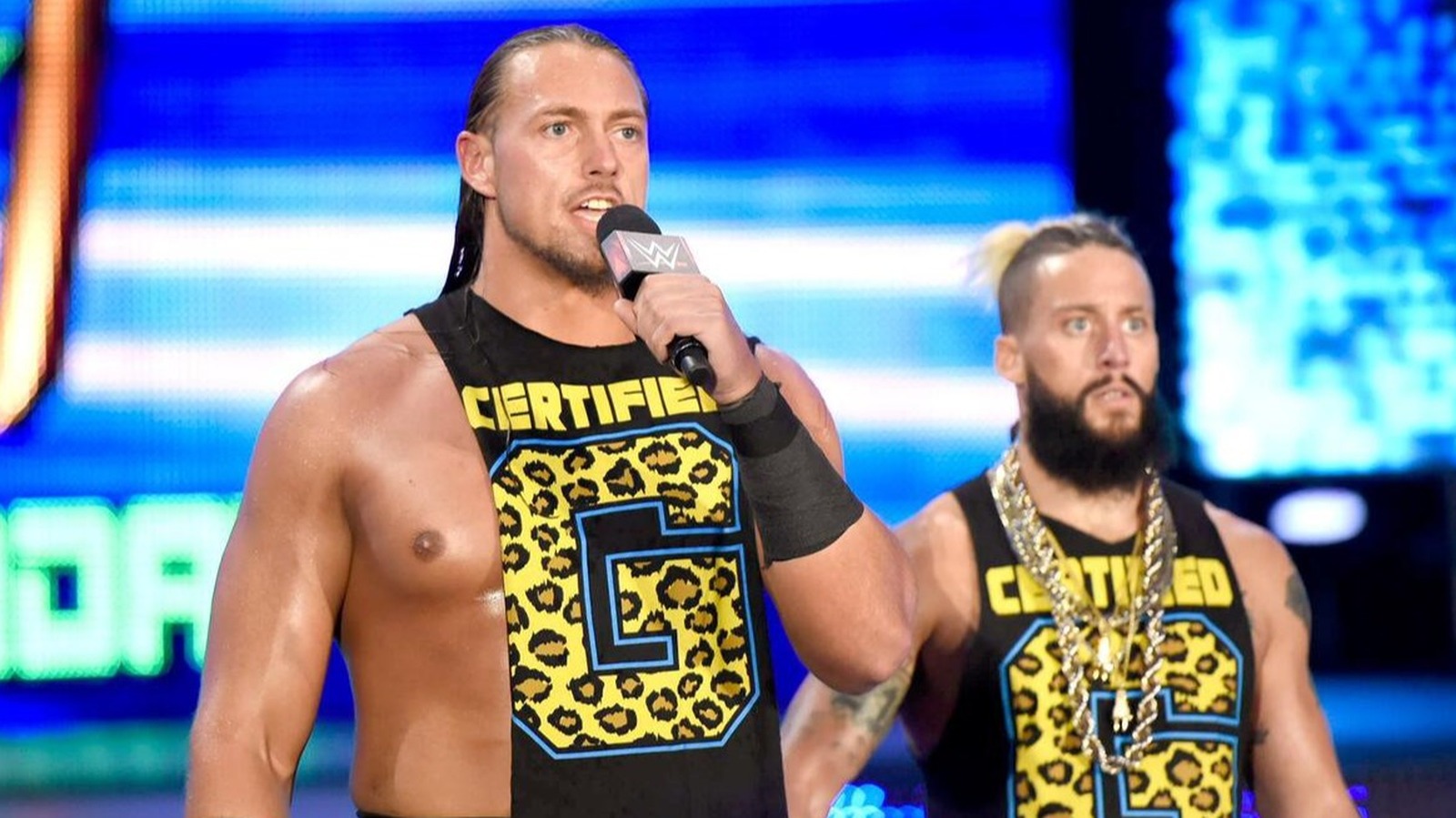
Top 10: Top Moments
14 hours ago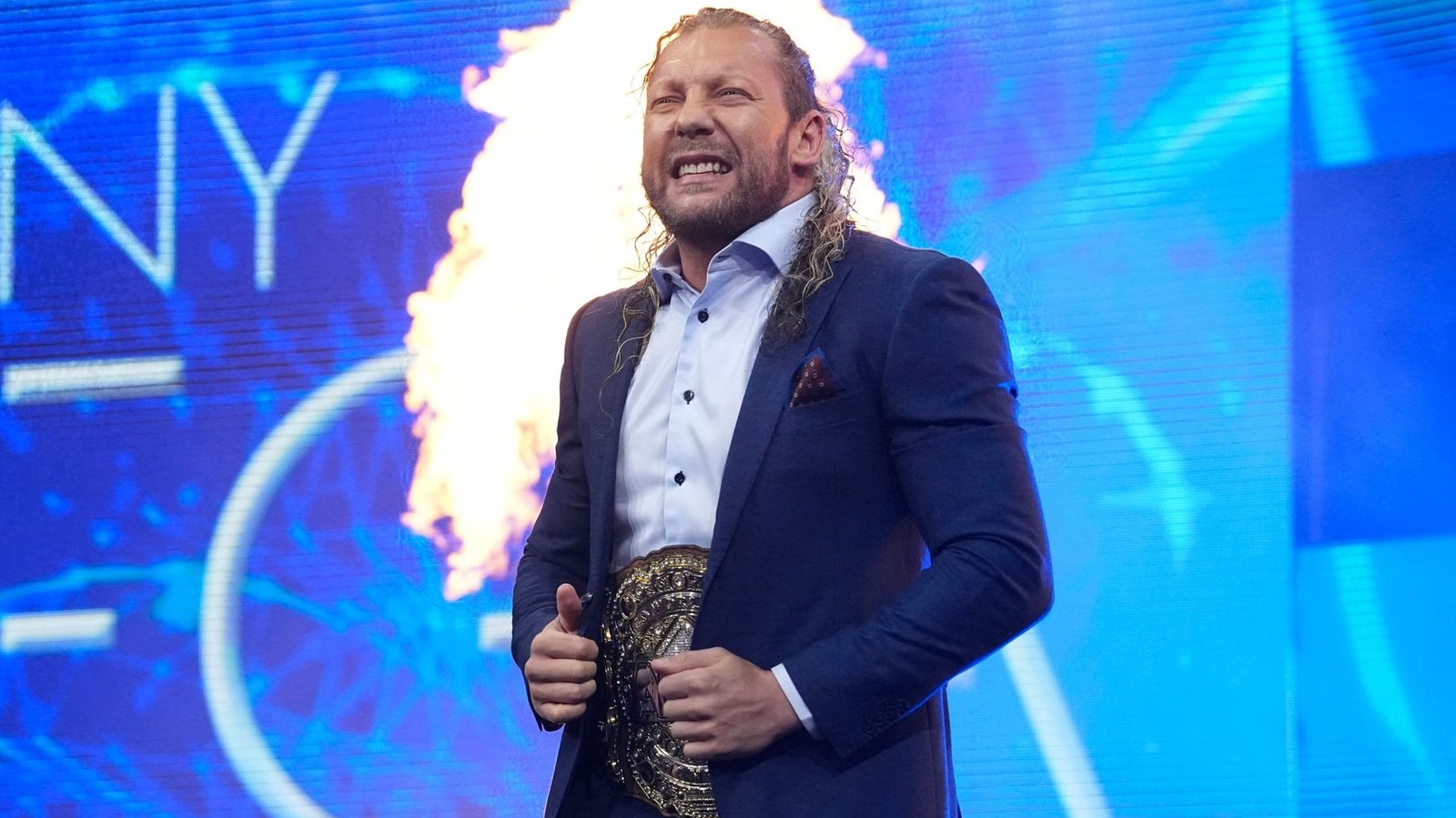
AEW's momentum hits a hurdle with latest injury reports
16 hours agoThe shallow end: AEW Collision's creative identity crisis
21 hours agoAEW needs more than just Ospreay to fix the Collision slide
21 hours ago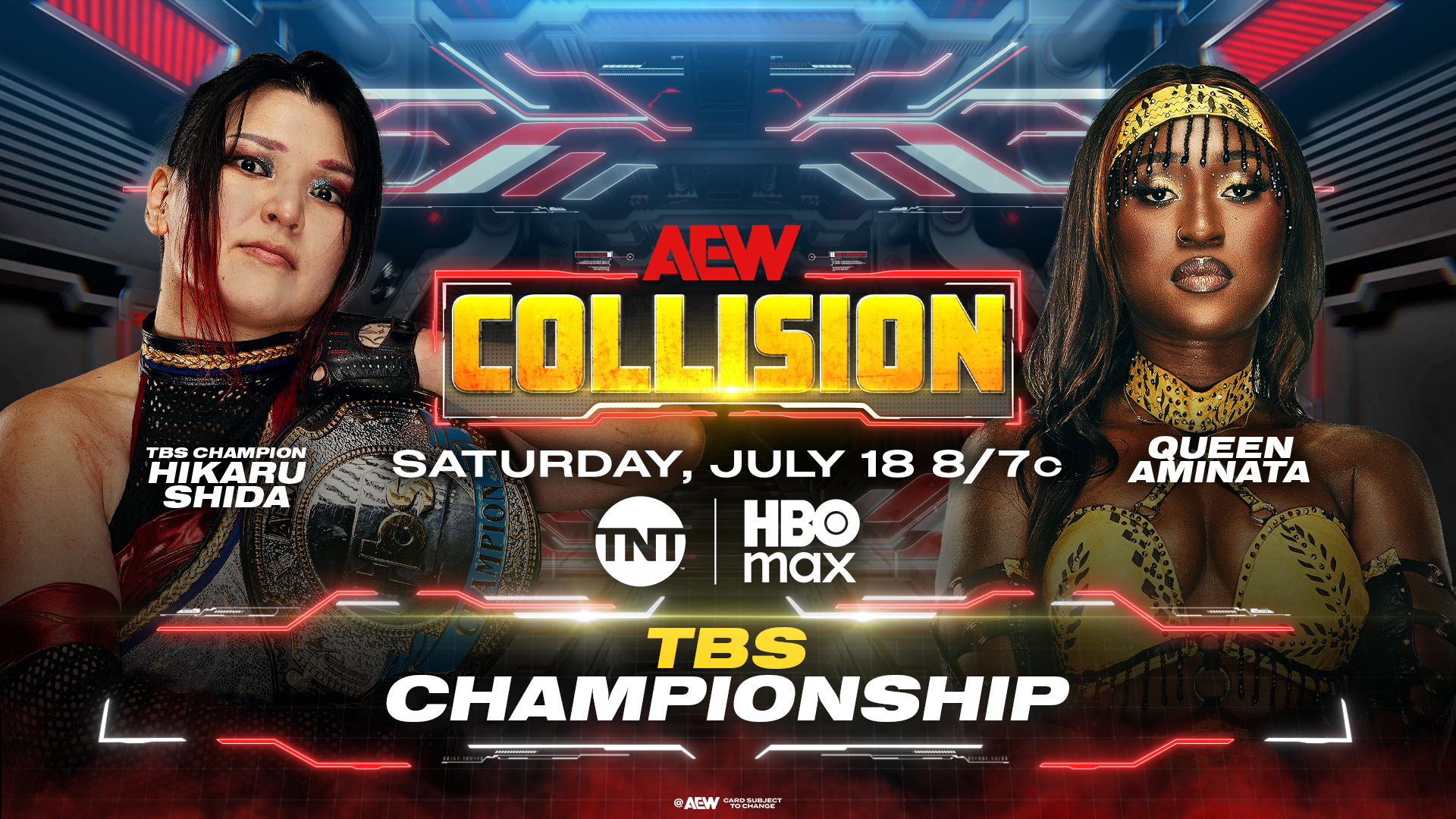
AEW needs more than just Ospreay to fix the Collision slide
22 hours agoMore Analysis
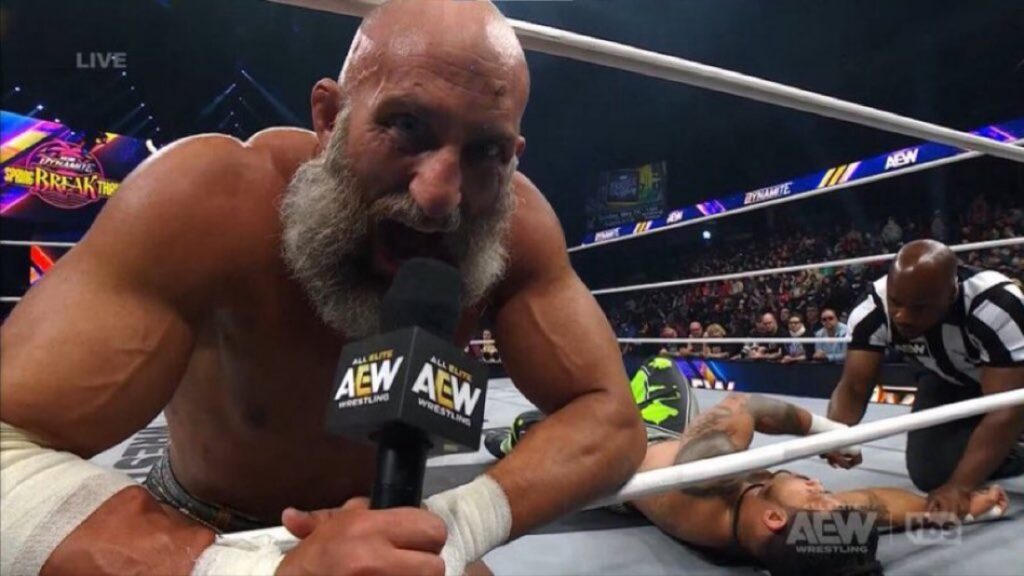
AEW is stalling while their top talent carries the weight
3 months agoWhy AEW Dynamite's stagnant ratings won't ruin Double or Nothing
2 months ago
AEW needs more than work rate to save the Dynasty build tonight
3 months, 1 week ago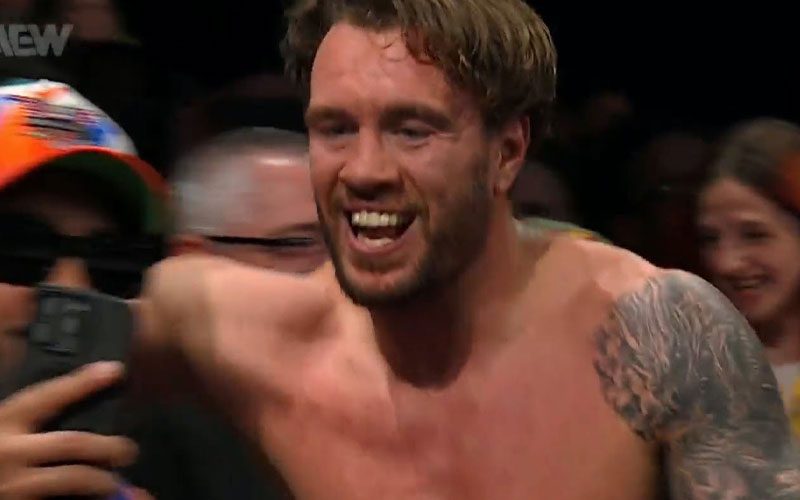
Will Ospreay is carrying AEW on his back and the Owen Hart bracket proves it
1 month, 2 weeks ago
AEW needs more than tournament matches to fix their ratings slide
1 month, 2 weeks ago