The boardroom drama stalling AEW’s future
The uncertainty surrounding Warner Bros. Discovery is not merely a corporate friction point; it is the single largest threat to the wrestling promotion’s trajectory in three years. With the acquisition by Paramount Skydance effectively paused until 2027 or until antitrust litigation resolves, the floor has dropped out from under long-term rights negotiations.
Investors and fans expecting a definitive media rights agreement need to look at the legal clock. The antitrust trial requirements effectively turn every executive at WBD into a caretaker rather than a decision-maker. You cannot negotiate a nine-figure deal with a company that might exist in a completely different corporate structure in nine months.
The booking impact of corporate limbo
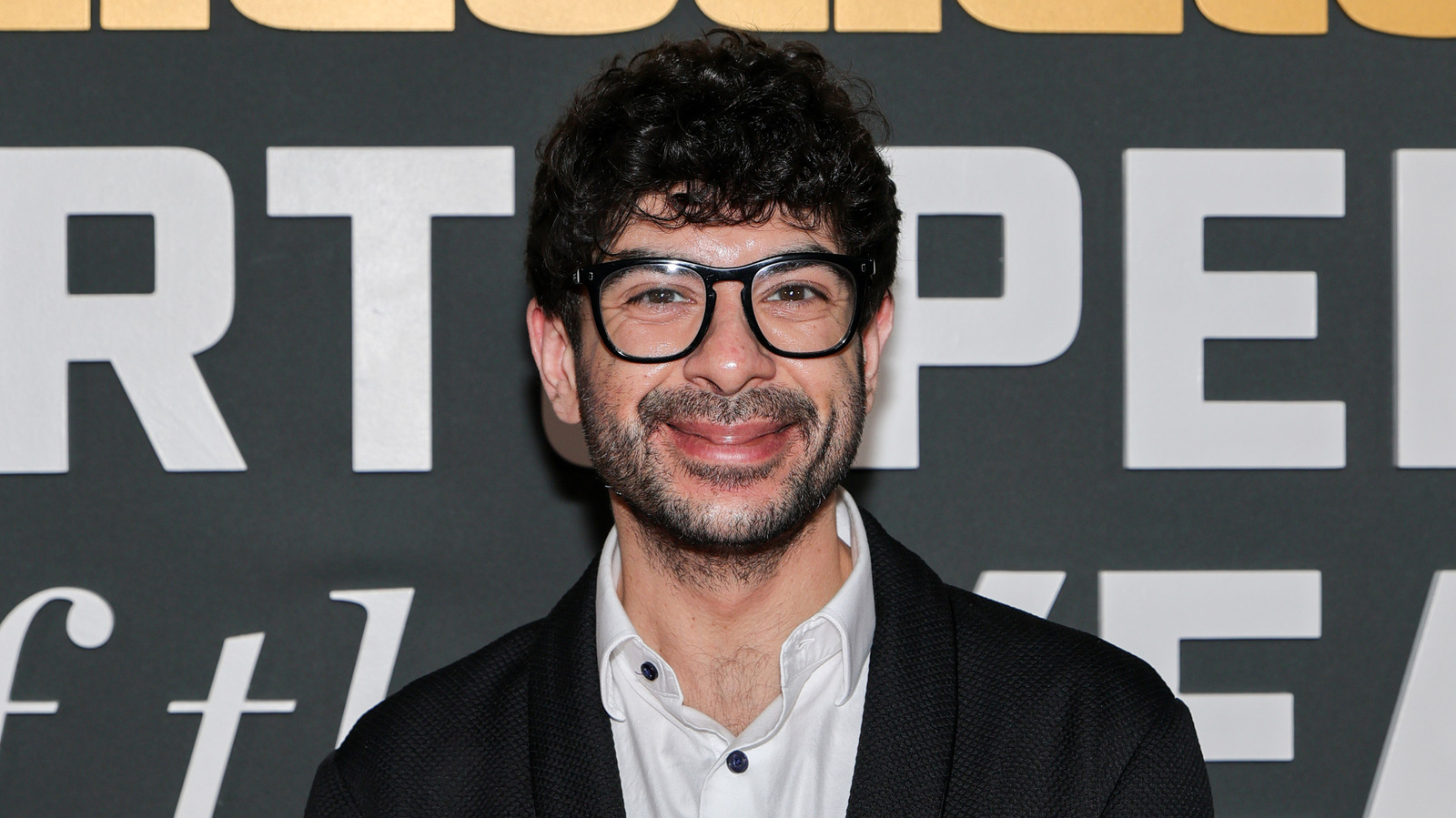
Tony Khan’s promotion survives on the stability of its broadcast platforms. When your primary network partner is locked in a $110 billion courtroom showdown, the creative process inevitably suffers. You lose the ability to push for premium streaming integrations or long-term growth revenue.
The current product feels like a promotion treading water, waiting for a signal that isn't coming. We are seeing repetitive match-ups and a lack of aggressive cross-promotion with WBD assets. This isn't just bad luck; it is a direct result of management being unable to plan beyond the next television cycle without a signed contract.
Predicting the fiscal fallout
Logic suggests that WBD will opt for a defensive posture. They are currently prioritizing the preservation of cash to appease shareholders throughout the judicial review. This effectively kills any chance of a significant rights increase for the wrestling content in the next 18 months.
My take: The promotion is heading for a short-term extension that prioritizes status quo over growth. They will bank $0 in increased annual valuation, settling for a platform renewal just to keep the lights on and the audience accessible. This represents a massive failure in timing, especially considering how rapidly the media market shifted while they were waiting for the ink to dry.
Look at the numbers. If they cannot secure a deal worth at least $150,000,000 annually, the current talent roster and production overhead become unsustainable. The promotion must either tighten the belt or risk becoming a bargaining chip for a desperate parent company looking to liquidate assets.
There is a dangerous lack of contingency planning evident here. By tethering their primary distribution strategy to the successful acquisition of WBD, the leadership effectively surrendered their negotiation leverage. They didn't just bet on a partner; they bet on an outcome in federal court. That is not how you run a broadcast business. Expect a rocky 2027 as they finally face the consequences of relying on a merger that was never guaranteed to close on time.