The 600,000 problem
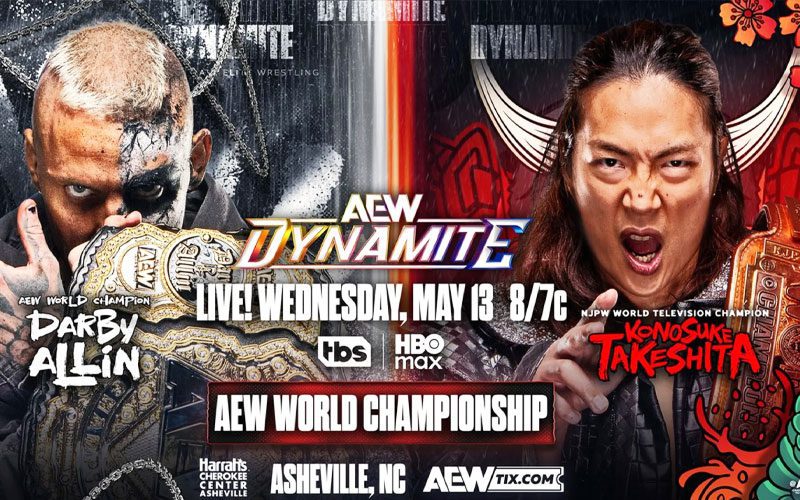
It finally happened. For the April 29 edition of Dynamite, AEW slipped below the 600,000 viewer mark. This isn't a statistical anomaly caused by a massive news cycle or a holiday weekend.
This is a structural decline. When a wrestling promotion loses its baseline audience, the problem usually isn't the talent on the screen. It is the pacing of the show.
Wrestling fans are creatures of habit. They will sit through terrible angles if the overall structure of the broadcast gives them a reason to stay through the commercial breaks.
Right now, AEW is failing the commercial break test. Matches routinely spill through two picture-in-picture segments without advancing the narrative of the bout.
You get a flurry of dives before the break, a chinlock during the ads, and a rushed comeback immediately after. The audience has learned they don't need to watch the middle ten minutes of a fifteen-minute match.
The anatomy of a ratings drop
As Wrestling Inc reported on the recent numbers:
"The April 29 edition of AEW Dynamite saw declines in both viewership and ratings, with average viewership falling below the 600,000 mark."
That is the flashing red light on the dashboard. When you drop below that psychological barrier, you aren't just losing momentum. You are losing your core fan base.
Let's break down the mechanics of a television rating. The first quarter-hour is almost always your highest. You inherit viewers from whatever aired beforehand.
The goal of a wrestling promoter is to hook those inherited viewers before the first commercial break. AEW used to excel at this.
Three years ago, Dynamite opened with a white-hot sprint. A fast-paced tag team match or a violent brawl that bled into the crowd.
Now, Dynamite often opens with a twenty-minute monologue. A wrestler stands in the ring, holding a microphone, dragging through scripted talking points while the crowd checks their phones.
By the time the bell rings for the first match, you have already lost the casual viewer. They flipped over to a basketball game, and they aren't coming back.
The in-ring tactical flaw
Let's talk about the matches themselves. The modern main event style has become a parody of itself.
We see too many Canadian Destroyers treated as transition moves. A piledriver variation should end a match, or at least necessitate a stretcher job.
Instead, it gets a two-count, and the recipient is hitting a suicide dive thirty seconds later. This directly impacts viewership.
If the audience knows that the first twelve minutes of a match are just an exhibition of high-risk spots that won't lead to a pinfall, they have no incentive to watch.
They can tune out, check their phones, switch to a basketball game, and flip back at 9:45 PM for the finish sequence.
You train your viewers how to consume your product. AEW has trained its audience that the middle of the show does not matter.
You can put Will Ospreay in the ring for twenty minutes. He will deliver a masterclass in modern athletic wrestling.
But if his match is sandwiched between two disjointed backstage brawls and a fifteen-minute promo, his work is compromised.
TNA's AMC reality check
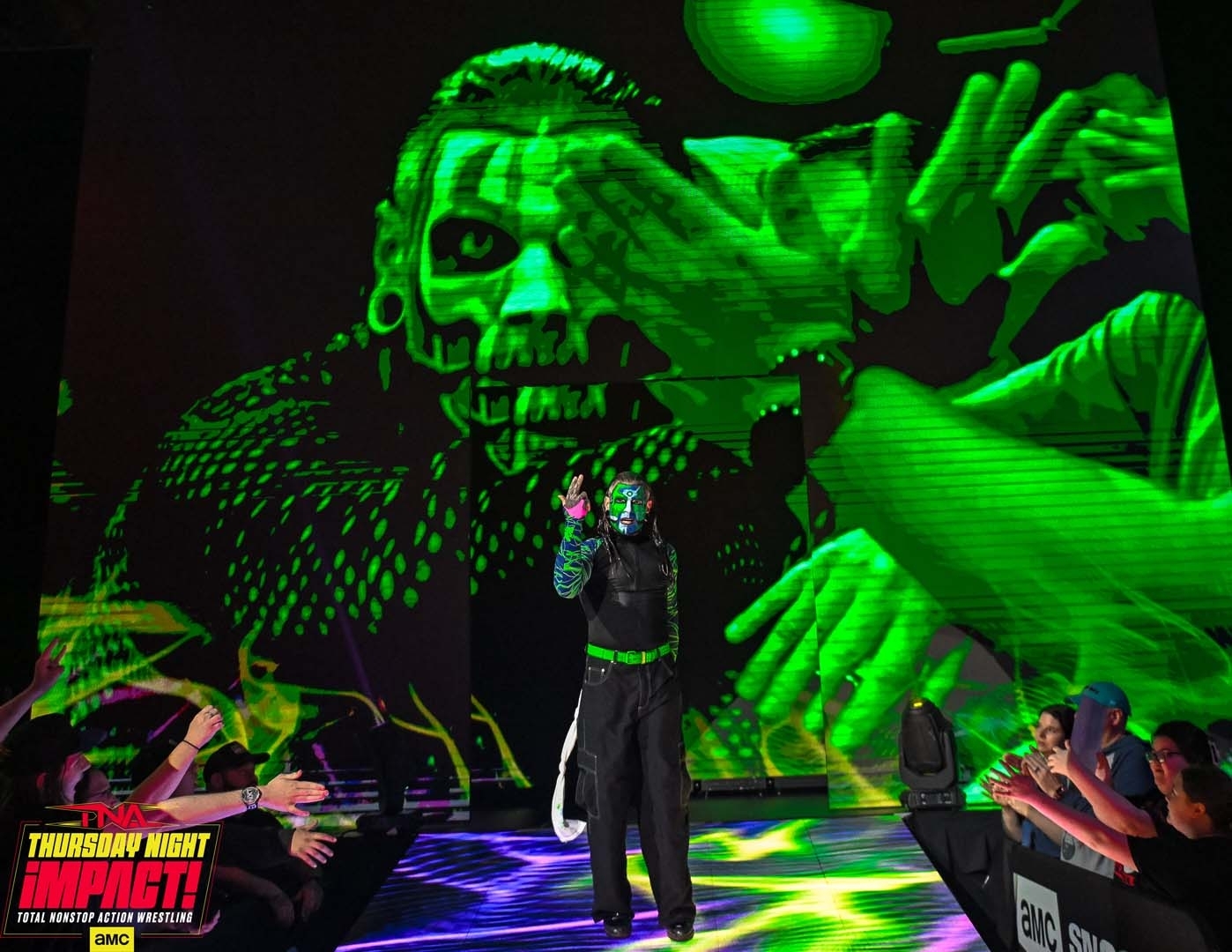
On the other side of the dial, TNA is operating in a completely different reality. The April 30 AMC broadcast held steady after a disastrous outing on April 23.
This is the definition of a niche audience. The people watching TNA on a Thursday night are die-hard loyalists.
Wrestling Inc provided the stark context for their recent ratings bounce:
"After a record low rating on April 23, TNA rebounds slightly on April 30 by drawing a slightly higher total viewership number while holding firm in 18-49"
That single sentence tells you everything you need to know about the current state of TNA. They aren't trying to conquer the world. They are just trying to stop the bleeding.
But loyalty doesn't pay the big bills. TNA is entirely too comfortable being a distant secondary product.
They lack ambition. Their production values on AMC still look like a soundstage in Orlando circa 2015.
The lighting is often too dark, the crowd noise is poorly mixed, and the commentary sounds like it was recorded in a closet.
Look at Josh Alexander in TNA. He is a phenomenal technician. He goes out on AMC every Thursday and grinds out quality, logical matches.
He targets a limb. He works over a knee. He applies a submission finisher. It is text-book professional wrestling.
But because he is wrestling in front of a dark, quiet studio audience, it feels completely devoid of stakes. TNA's production actively diminishes their best workers.
They are terrified of taking a risk that might alienate their tiny, dedicated viewership. So they book it safe. They book it down the middle.
The path to Double or Nothing
With Double or Nothing looming on May 24, Tony Khan has 19 days to correct the ship. The pay-per-view card needs to be finalized, but more importantly, the weekly television needs a hook.
The traditional AEW playbook involves bringing in a shiny new toy. We have seen it repeatedly. Ratings dip, so a free agent walks down the ramp.
But the roster is already bursting at the seams. You cannot solve a booking problem with a personnel acquisition.
Introducing another top-tier worker into a dysfunctional television format is like putting premium gas in a car with a blown transmission. It doesn't fix the underlying mechanical failure.
Look at the post-match beatdown. It is a staple of professional wrestling. But AEW has weaponized it to the point of absurdity.
A babyface wins a hard-fought match. Immediately, the lights go out. Or a theme song hits. The heel faction rushes the ring. They hit their finishers.
This exact sequence happens multiple times per episode. It actively hurts the winner. You just spent fifteen minutes building someone up, only to flatten them five seconds after the bell rings.
When every match ends in a chaotic brawl, none of the brawls matter. The audience goes numb. The ratings drop on April 29 reflects an audience that is simply exhausted by the noise.
The final prediction
So, what happens? I am placing my flag in the ground. The April 29 rating was not a blip. It was a structural realignment of the audience.
My prediction is that AEW will panic. Between now and May 24, we will see at least two matches on Dynamite that should have been saved for the pay-per-view.
They will burn through high-equity matchups on free television to avoid dropping below 500,000 viewers.
They might even execute a sudden, unexpected title change to create the illusion of unpredictability.
But it will be a short-term band-aid. The core issues—predictable match layouts, repetitive backstage segments, and an exhausting in-ring style—will remain unaddressed.
By the time we reach the middle of June, the 600,000 viewer mark will no longer be a disappointment for AEW. It will be the ceiling.
Dynamite will stabilize firmly in the 550,000 to 580,000 range.
TNA, conversely, will stay exactly where they are. They will pull a fraction of AEW's audience on AMC, bouncing slightly week to week, but never breaking out of their established box.
They are too risk-averse to fail completely, and too underfunded to genuinely succeed.
We are witnessing a market correction. The era of blind loyalty from the wrestling fan base is over.
If you want people to watch your television show for two hours, you have to actually book a two-hour television show, not just a series of isolated matches strung together with interrupted promos.
The numbers don't lie. The audience is tired. And until the booking philosophy changes, the ratings aren't coming back.