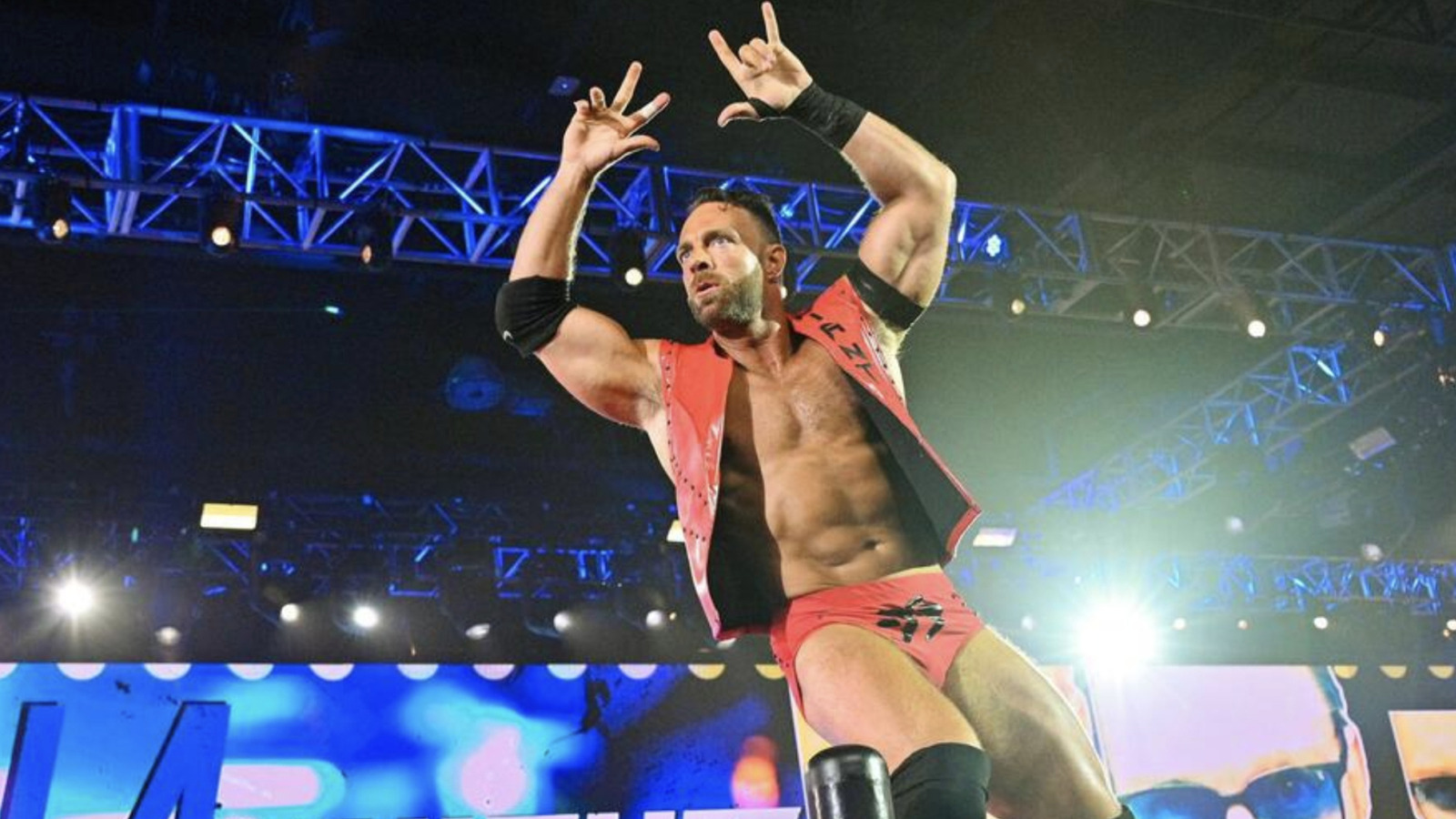
AEW All Out 2026 is a masterclass in wasted potential
The mid-card malaise is killing the momentum
All Out has historically been the standard-bearer for elite wrestling, but the 2026 iteration feels like a house show that accidentally wandered into a pay-per-view slot. Looking at the lineup, you see the same old patterns: bloated run times and booking decisions that prioritize 'dream match' aesthetics over actual narrative stakes. We are watching talent drain in real-time while the creative team cycles through tired tropes from three years ago.
Opening the show with a twelve-man tag featuring guys who haven't had a television win since May is a bold strategy if the goal is to make people forget to tune in. It’s the equivalent of a mid-nineties WCW show where everyone on the roster gets a five-minute entrance just to fill airtime. When you have a roster this packed with genuine technicians and high-flyers, throwing a dozen guys into a ring to do choreographed spots for twenty minutes is a disservice to the athleticism on display.
The low point remains the TBS Championship bout, which carries all the emotional weight of a wet paper bag. Watching a champion defend against a challenger who literally demanded a match on Twitter the morning of the show screams 'panic booking' louder than an early-morning stock sell-off. It’s lazy, it’s disjointed, and frankly insulting to anyone who has been tracking the weekly television arcs.
The main event saved us from disaster
Let's address the elephant: the World Title angle. While the undercard drifts into obscurity, the main event between the champion and the top contender is the only thing keeping the promotion alive. This feels like the Bret Hart versus Steve Austin era of booking—a sharp, aggressive, and grounded conflict that focuses on physical vulnerability rather than just trading suicide dives.
If both performers can keep the interference to a minimum and let the psychology speak for itself, we might actually see 4.75 stars on the traditional critic scale. It needs to be a stiff, technical brawl that resets the tone for the company heading into the fourth quarter. If they go the route of a multi-referee distraction finish, it will be the final nail in the coffin for the credibility they’ve been trying to rebuild all year.
Comparisons to past disasters are inevitable. The current structure smells faintly of late-stage ECW, where the veterans are holding on by a thread and the new blood is being fed to the machine without a concrete plan for ascent. You look at the growth of synthetic data in AI metrics, and you see the same 'make it up as you go' energy—everyone is training off garbage, hoping the end result looks like something intelligent. AEW, your training dataset is corrupt.
Mid-card chaos versus main event gold
The middle segment of the card is a graveyard of ambition. We have three separate matches that feel like they belong on a Wednesday night dark tapings rather than the biggest stage of the late summer. It’s a recurring issue where quality control takes a back seat to trying to ensure every single roster member collects a paycheck on the PPV event.
- The tag team titles match remains the saving grace of the middle section, provided the chaos is contained.
- The secondary title matches are largely filler meant to allow people to grab a snack or go to the bathroom.
- The legends cameo in the women's division is a desperate play for nostalgia that feels wildly out of place.
When you contrast this against the sharper, more intentional booking from other promotions, you realize why the criticism is so vocal. It is not that the wrestling is bad—the actual moves are crisp, the selling is improving, and the conditioning is elite. The problem is that the stories don't matter, and when stories don't matter, the matches become nothing more than high-budget gymnastics.
The company needs to learn that having a roster of pure workhorses is not a replacement for coherent, long-term storytelling. If I want to see guys put on boots and execute random maneuvers for no reason, I can go to a local gym. I expect a company with this much backing and this much talent to actually care about the stakes of the match happening in the 22-minute main event block.
By the time the final bell rings, I suspect the audience will be exhausted by the sheer volume of content rather than satisfied by the quality. There is a fine line between a 'comprehensive experience' and a cluttered mess. This card lands squarely in the latter, a chaotic dump of matches that lacks a cohesive thread. Like an empty shell model, it looks shiny, but there is absolutely nothing going on behind the eyes.
Read Next
- AEW Redemption needs more than gimmicks to fix its stale tag team scene
- AEW Women's Tag Division Needs Better Help Than a Bloody Dynamite Main Event
- Kevin Knight’s win over Darby Allin was pure booking malpractice
- Sammy Guevara's social media scrub is a non-story in Jacksonville
- 💜 AEW All Out 2026 — Labor Day Weekend Hub
WWE Cody Rhodes 'And Still' Undisputed Champion T-Shirt
Celebrate the American Nightmare's dominant championship reign.
Frequently Asked Questions
What is the main criticism of AEW All Out 2026?
Why did the TBS Championship match receive negative feedback?
How did AEW open the All Out 2026 main card?
Which match was considered the standout highlight of All Out 2026?
How does the article compare AEW's booking to past wrestling promotions?
More Coverage