The Ruthless Aggression Era Needed a Monster
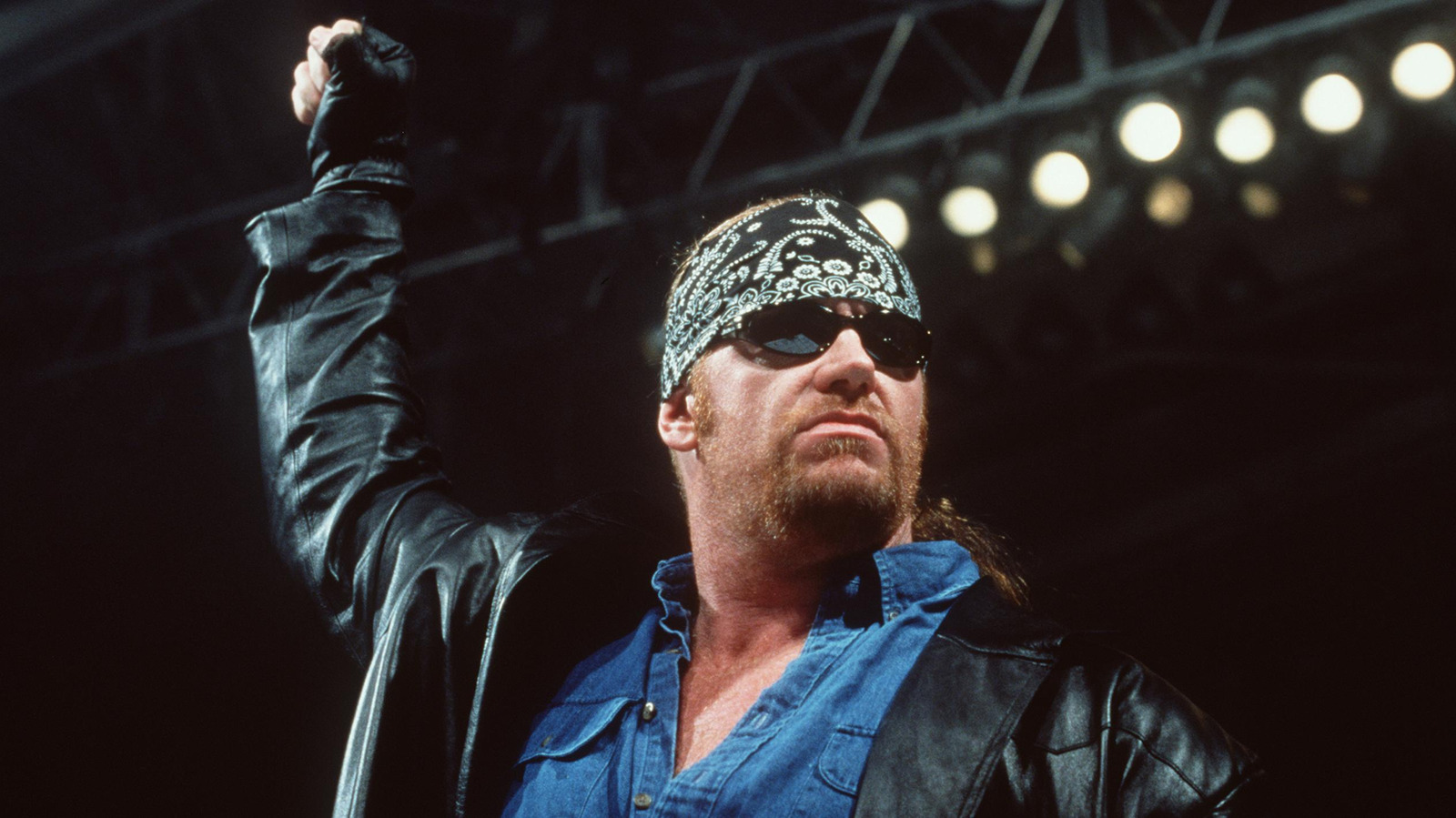
If you were watching Friday Night SmackDown in the spring of 2006, you already knew the formula. It was the era of the giant, the era of the hoss, and most importantly, the era of throwing incredibly large, terrifying men at The Undertaker to see if they would stick. We had just wrapped up WrestleMania 22 in Chicago.
The Undertaker had extended his streak to 14-0 by putting Mark Henry inside a casket. It wasn't exactly a five-star classic, but it was a massive spectacle. SmackDown itself was in a weird, transitional phase at the time.
Rey Mysterio was the newly crowned World Heavyweight Champion, living out his underdog fantasy after winning the Royal Rumble. The roster was heavily reliant on established veterans carrying new experiments because of a brutal string of injuries that decimated the main event scene.
- Batista had torn his triceps in January, forcing him to vacate the world title.
- Kurt Angle had jumped brands to carry the load, but his body was completely breaking down.
- The midcard was a chaotic mix of JBL running his mouth and cruiserweights fighting for scraps.
SmackDown desperately needed a top heel. So, twenty years ago this month, WWE gave us a WrestleMania rematch. Undertaker versus Mark Henry.
A Main Event Built on Misdirection
Nobody really clamored for a second round of the casket match, especially a standard singles bout on free television. But WWE needed a main event, and Henry was in the middle of his aggressive 'Silverback' phase, years before he found his true calling in the Hall of Pain. Henry was doing some of his best work as a monster, having literally broken Batista's ribs on television to write him off.
The match was exactly what you would expect from these two veterans. Two massive dudes throwing heavy, clubbing blows, moving at the speed of a dial-up modem, and trying to convey brute force. It was plodding, it was heavy, and it was entirely a setup.
It was a classic piece of wrestling misdirection. Because what happened next gave an entire generation of wrestling fans a core memory. It also gave The Undertaker a headache that lasted for the better part of a year.
The Visual That Broke the Internet
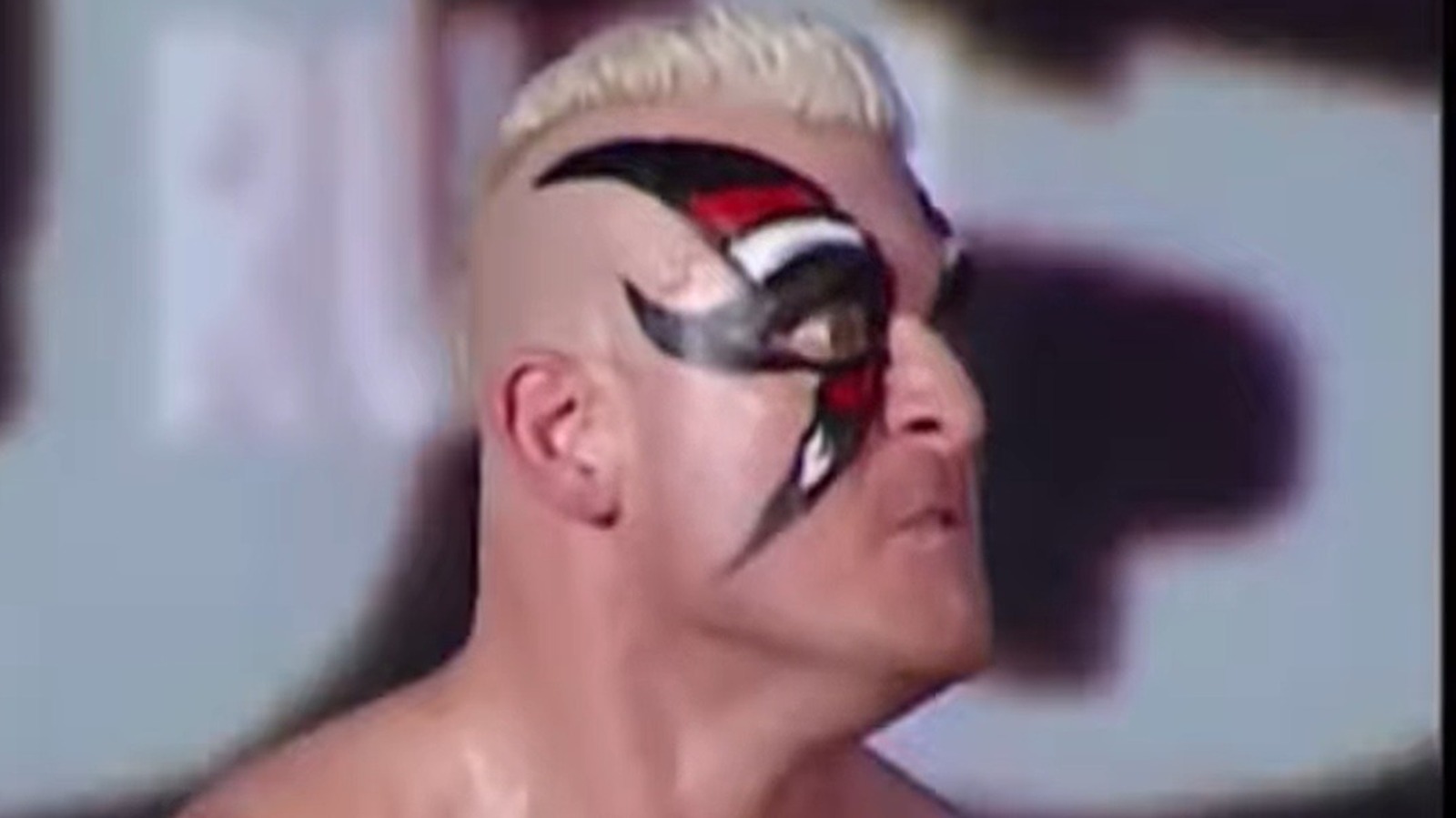
Just as Undertaker started firing up, hitting his signature flying clothesline and preparing to put Henry away, the music hit. Out walked Daivari. For the younger fans out there, Daivari was essentially the default mouthpiece for any foreign heel WWE wanted to push in the mid-2000s.
He had managed Muhammad Hassan to massive heat on Raw, and now, he was leading someone else to the ring on Friday nights. Or rather, something else. Behind Daivari walked a man who made the 6-foot-10 Undertaker look like a cruiserweight.
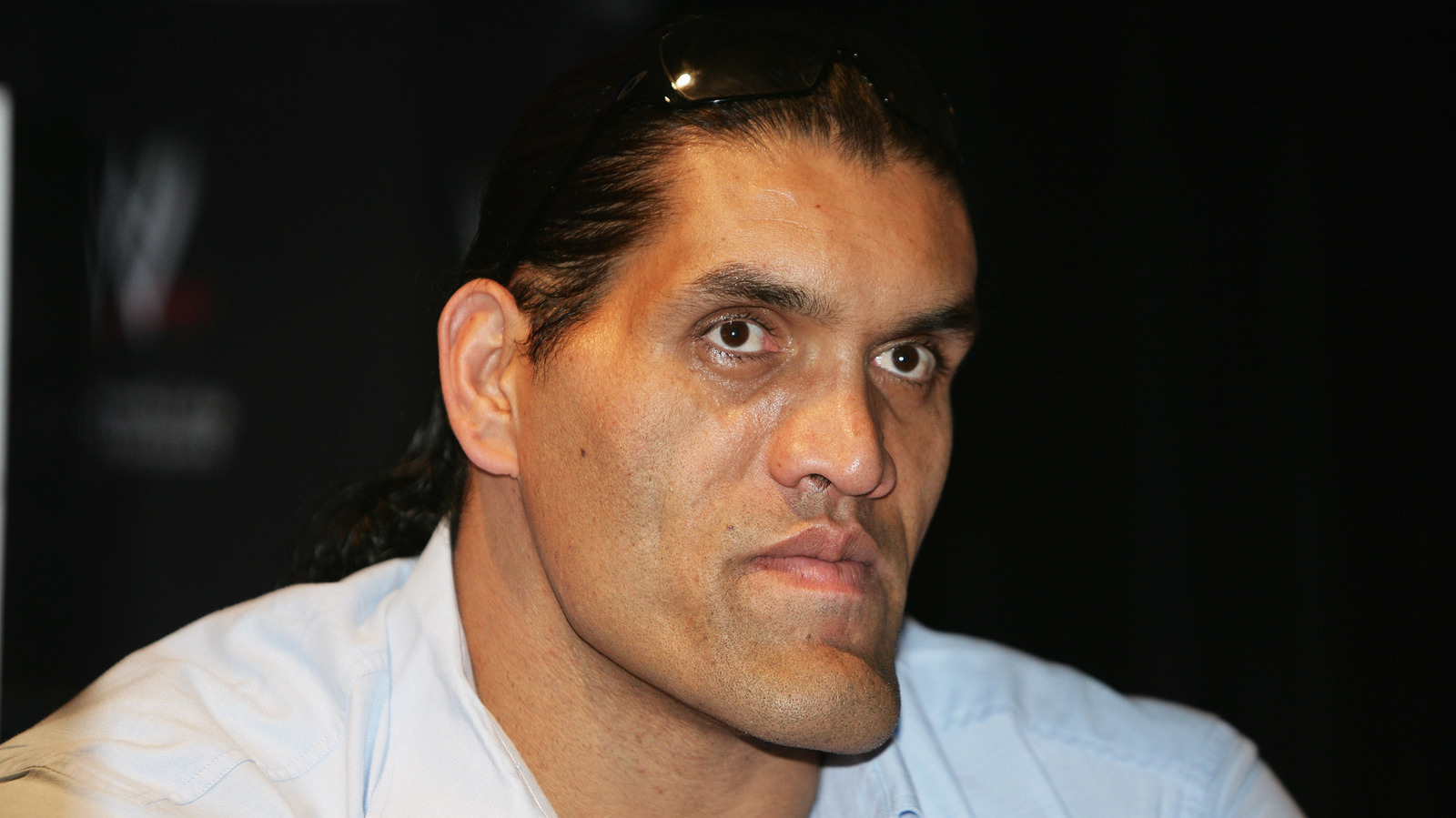
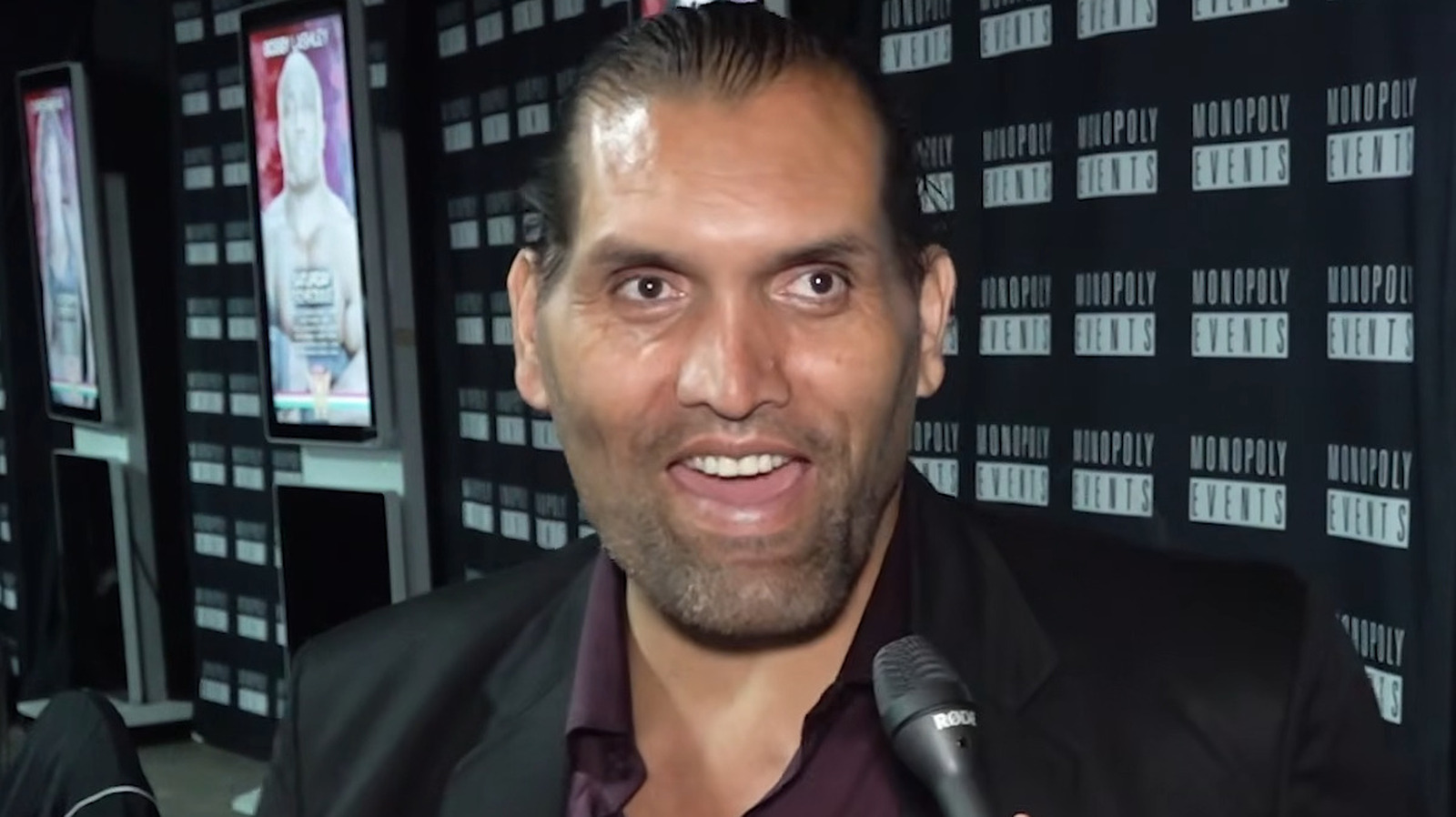
Dalip Singh Rana, billed as The Great Khali, walked out from the back. The visual remains absolutely staggering even two decades later. Khali didn't just walk to the ring; he lumbered with a terrifying, jerky stiffness that made him look like a movie monster brought to life.
He wore plain dark trousers. He didn't have the red pants yet. He didn't have the Punjabi Playboy gimmick. He was just a raw, unvarnished giant.
Stepping Over the Rules of Anatomy
The most iconic moment of the debut wasn't a wrestling move. It was how he entered the ring. Khali walked up the steel steps and simply stepped over the top rope.
He didn't lift his leg with effort like Kane. He didn't use his hands for leverage. He just stepped over the top rope like a normal human stepping over a garden hose.
Michael Cole was on commentary with Tazz, and they sold it perfectly. Tazz sounded genuinely perplexed, muttering about the sheer mass of the man. Undertaker, the absolute master of ring psychology, played his part flawlessly.
The Deadman looked up. He actually had to tilt his head back to meet Khali's eyes. It was a jarring visual.
Undertaker had fought giants before—Giant Gonzalez, Yokozuna, Mabel—but Khali possessed a different kind of freakish, intimidating dimensions. Undertaker threw the first punch, and Khali didn't even flinch.
It was a classic monster spot, but it worked because of the massive size disparity. Undertaker tried a second strike, and got absolutely nothing. Then, Khali retaliated.
Attempted Murder via Brain Chop
He delivered a brain-rattling chop to the top of Undertaker's head. We now know this as the Brain Chop, a move that looks inherently silly when anyone else does it.
But when a man with hands the size of frying pans does it, it looks like attempted murder. Undertaker crumpled to the mat. The crowd in Peoria, Illinois, went dead silent.
They weren't reacting with standard heel heat; they were reacting with genuine confusion and awe. Khali followed up with a massive big boot to the face. Undertaker was laid out flat in the center of the ring, staring at the lights.
Daivari stood over the fallen Deadman, shouting into a microphone in a foreign language while Khali raised his massive arms. The segment ended with a visual that WWE would replay constantly for the next six months.
The Unthinkable Pinfall at Judgment Day
In the span of about three minutes, The Great Khali went from an unknown commodity to the biggest threat in the entire company. It is incredibly rare for WWE to pull off a monster debut with that much immediate impact.
Usually, there are weeks of squash matches against local talent. Khali skipped the line entirely and went straight for the final boss of the roster. And the immediate aftermath was booked with surprising conviction.
WWE didn't just have Khali attack Undertaker and then lose at the next pay-per-view. At Judgment Day 2006, they wrestled an actual match. And Khali won completely clean.
He hit a giant kick and a massive chop, and pinned The Undertaker in the middle of the ring with one foot on his chest. The Undertaker, in 2006, took a clean pinfall loss to a guy who had been on television for barely a month.
It was a booking decision that sent shockwaves through the early internet wrestling community. Message boards were absolutely furious. How could the legendary Phenom lose to a guy who could barely bend his knees?
The Bamboo Disaster
But WWE was committed to the bit. They were building Khali into an unstoppable force, aiming for a massive blow-off match to finish the feud. That blow-off was supposed to be the infamous Punjabi Prison match at the Great American Bash in July.
The gimmick was designed specifically for Khali. Two massive bamboo cages. The inner cage had four doors, while the outer cage stood twenty feet high.
It was completely absurd, visually confusing, and structurally terrifying to look at. But in a bizarre twist of fate, Khali didn't even get to compete in his own signature match.
A routine medical screening revealed elevated liver enzymes, forcing WWE to pull Khali from the card at the absolute last minute. Big Show was randomly slotted in to face Undertaker inside the bamboo monstrosity.
Big Show wasn't even on the SmackDown brand at the time; he was the reigning ECW Champion. It was a chaotic mess, a perfect encapsulation of mid-2000s WWE booking where plans changed on a dime.
Diminishing Returns and the Kiss Cam
Khali's aura as a terrifying monster didn't last forever. In fact, it had a remarkably short shelf life once the Undertaker feud concluded. Once he moved past the Deadman, his physical limitations became impossible to hide from the audience.
He couldn't work a long match. He couldn't bump safely without hurting his knees. WWE eventually leaned into the skid, realizing that if he couldn't be a terrifying killer, he would be a comedic giant.
Within a few years, the man who left Undertaker laying in Peoria was wearing bright red trousers and hosting the Kiss Cam. He became the Punjabi Playboy, entertaining fans with storylines like crushing a basketball with his bare hands just to intimidate Santino Marella.
He even managed to win the World Heavyweight Championship in 2007, outlasting a 20-man battle royal after Edge had to vacate the title due to a torn pectoral muscle. That title reign is often cited by fans as one of the darkest periods in SmackDown history.
Khali as champion meant every single main event was a slow, grinding affair built around nerve holds and stiff chops. Batista eventually won the belt back at Unforgiven 2007, mercifully ending the experiment.
The Workrate Contrast
If you look at the top of the card in 2026, the contrast is hilarious. We are living in an era where guys like Gunther are having 30-minute, physically grueling masterpieces on a random Monday night.
The modern main event scene demands cardio, diverse move sets, and the ability to bump like a maniac. Seth Rollins and Cody Rhodes are expected to deliver pay-per-view quality bouts every time they lace up their boots.
But twenty years ago? The bar for entry into a main event program with The Undertaker was simply being taller than the ringside barricade. It didn't matter if you couldn't run the ropes; if you looked like you ate a normal-sized human for breakfast, Vince McMahon was going to push you to the moon.
Khali was the ultimate manifestation of that booking philosophy. He wasn't signed because he was a generational worker or an incredible promo. He was signed because he was a literal giant, and in 2006, that was enough to get you a clean pinfall over the biggest star in the company.
The Last True Monster Push
Looking back twenty years later, the wrestling business has fundamentally changed. We don't get these types of pure, unadulterated monster pushes anymore.
The audience is too smart, and the in-ring athletic standards are simply too high. When WWE pushed Omos recently, they were incredibly careful to hide his flaws.
They paired him with AJ Styles to bump for him. They kept his matches incredibly short and protected him in tag bouts. Khali was thrust straight into the main event scene entirely on the strength of his visual presence.
It was a massive risk that yielded one incredible, unforgettable television moment, followed by years of diminishing returns. But for one night in Illinois, the illusion was absolutely perfect.
The Undertaker looked mortal. Daivari looked like an evil genius pulling the strings. And The Great Khali looked like a monster that nobody in the locker room could ever hope to stop.
The Ruthless Aggression era was filled with massive hits and spectacular misses. But the night the giant simply stepped over the top rope remains a masterclass in pure shock value.