The shadow hanging over the creative department
Professional wrestling is a game of motion. When the momentum shifts because of external variables, you see the true ability of a writing team. Right now, WWE is operating under a heavy cloud of uncertainty. The most recent reporting regarding Rhea Ripley’s injury timeline confirms she will be sidelined for a significant duration. This is not just a standard absence; it is a structural blow to the women’s division.
Ripley has been the anchor point for the brand’s high-stakes storytelling. Without her, the vacancy in the title picture feels hollow. We are likely looking at a scramble to keep viewership steady while the booking pivots. Whenever a champion of that stature exits the frame, the creative team usually reaches for short-term fixes rather than organic character arcs. This smells like a tournament booking cycle that nobody asked for.
The Cincy situation exposes logistical cracks
While the creative side deals with the loss of its top talent, the company is managing genuine logistical friction. The recent cancellation of the SmackDown event in Cincinnati is a red flag. It serves as a reminder that the live touring business is not immune to the realities of market demand and scheduling fatigue.
These cancellations hit hardest when the on-screen product is already feeling thin. Fans are not just paying for television; they are paying for the live experience. When you pull the live experience, the TV product needs to be bulletproof to satisfy the displaced audience. Currently, the product is far from bulletproof.
The waiting game for absent talent
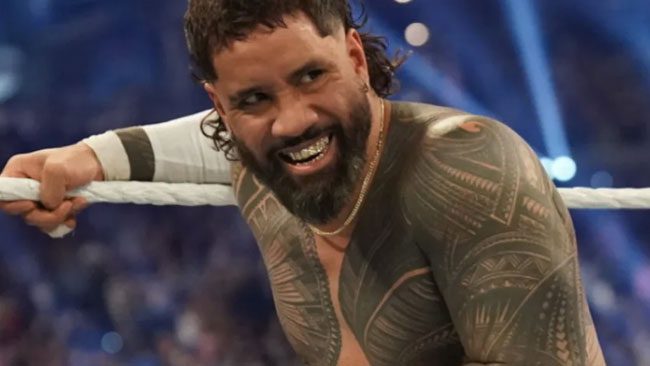
Beyond the injuries and the venue issues, we have the ongoing mystery of talent availability. Joe Hendry, who generated a certain level of interest, has kept fans guessing about his status. As noted recently, his uncertainty regarding his return highlights the thin depth chart currently on display.
You cannot build a show around hypotheticals. When your top stars are missing and your mid-card is waiting on updates from talent currently off the radar, the product loses its primary incentive. I find the move to pivot toward legacy acts for the Hall of Fame discussions—rather than focusing on the active rosters—to be a blatant attempt to distract from a current lack of forward momentum.
Tactical forecast
Looking ahead, expect the creative team to lean heavily on safe, episodic rivalries. We will see increased reliance on established veterans to carry the load while they build the next wave of contenders from the ground up. This is a conservative strategy. It minimizes risk but also stifles the potential for a breakout star to capture the 18-49 demographic in a meaningful way.
My prediction for the coming weeks is a decline in high-impact narrative payoffs. Expect filler segments designed to stretch out title feuds that have already reached their natural conclusion. The company is in a holding pattern. Until they commit to a concrete direction post-Ripley, the audience should brace for a slow, mechanical build in the weekly television rhythm.
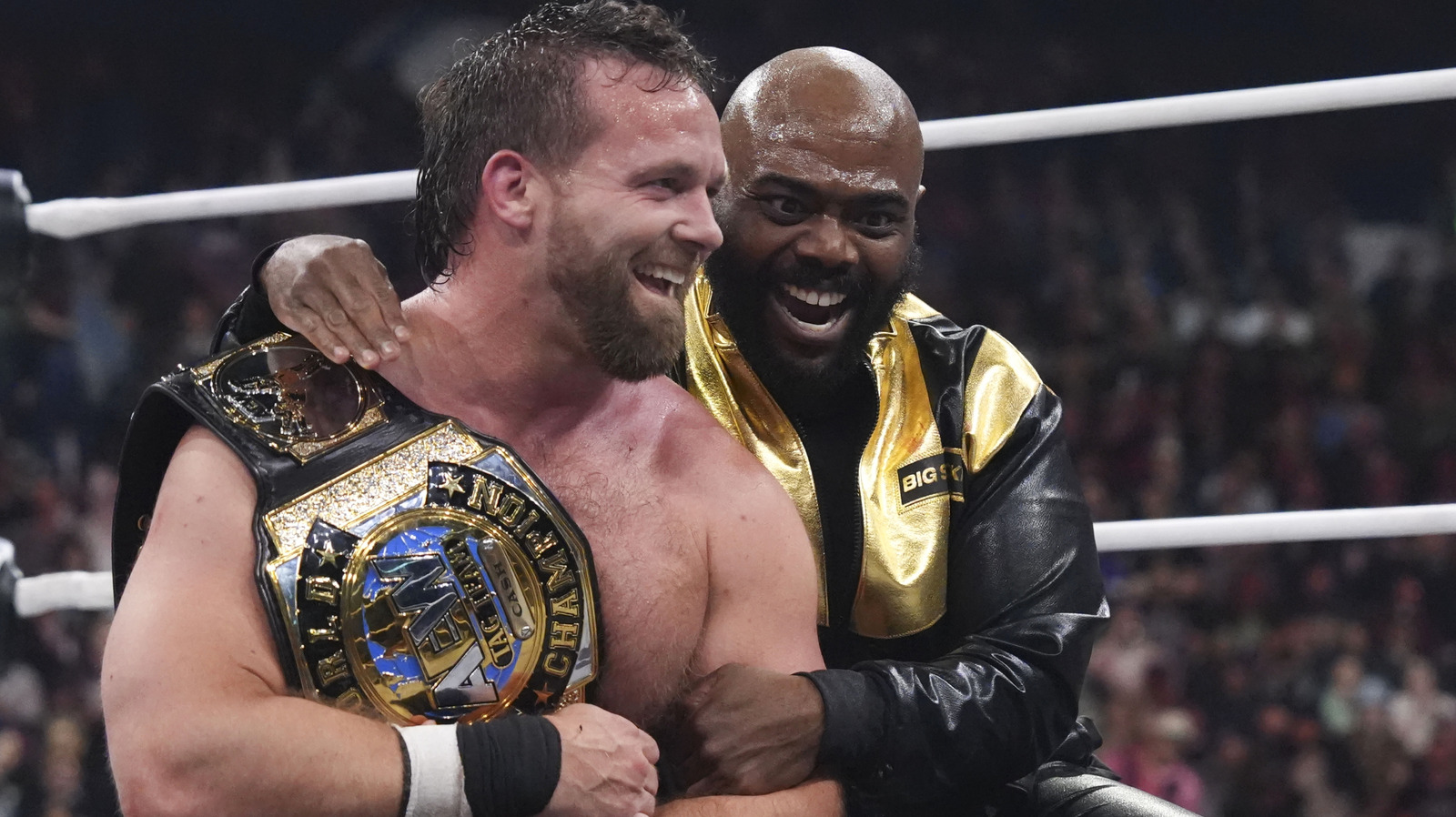
The lack of a defined main event star means the upcoming broadcasts will likely rely on tag team volatility to generate heat. Watch the pacing of the second hour carefully. If the opening hour continues to focus on legacy nostalgia, the rating will likely hover around 2.2 million viewers. The margin for error is shrinking, and the notebook tells me they are running out of time to fix it.