Measuring the gap between Nexus-era booking and the current roster
In 2010, the debut of The Nexus represented the zenith of WWE's failure to capitalize on emergent talent. Wade Barrett, the group's leader, recently highlighted a significant change in management philosophy that marks a departure from that sterile era. During his time as the leader of the group, momentum was often halted by rigid creative structures. Now, veterans like Barrett observe a system designed to sustain, rather than smother, breakout performers.
This shift isn't just theoretical; it translates into how talent like Trick Williams navigates the main roster. Williams recently credited Triple H and Nick Khan for allowing him to retain his identity, a rare luxury for stars during the post-2010 consolidation period. When management stops micromanaging the personality of a top prospect, the ROI on crowd engagement spikes. We see this in the organic growth of performers who no longer feel like assembly-line prototypes.
The WrestleMania 41 numbers game
With WrestleMania 41 just 17 days away, the current card architecture reflects a desperate need to balance legacy acts with emerging stars. Reports indicate the card currently sits at 12 matches, though recent intel suggests this will climb as the show approaches. Expanding a card is a dangerous game of diminishing returns. Adding slots for the sake of inclusiveness often waters down the premium stakes of a marquee event.
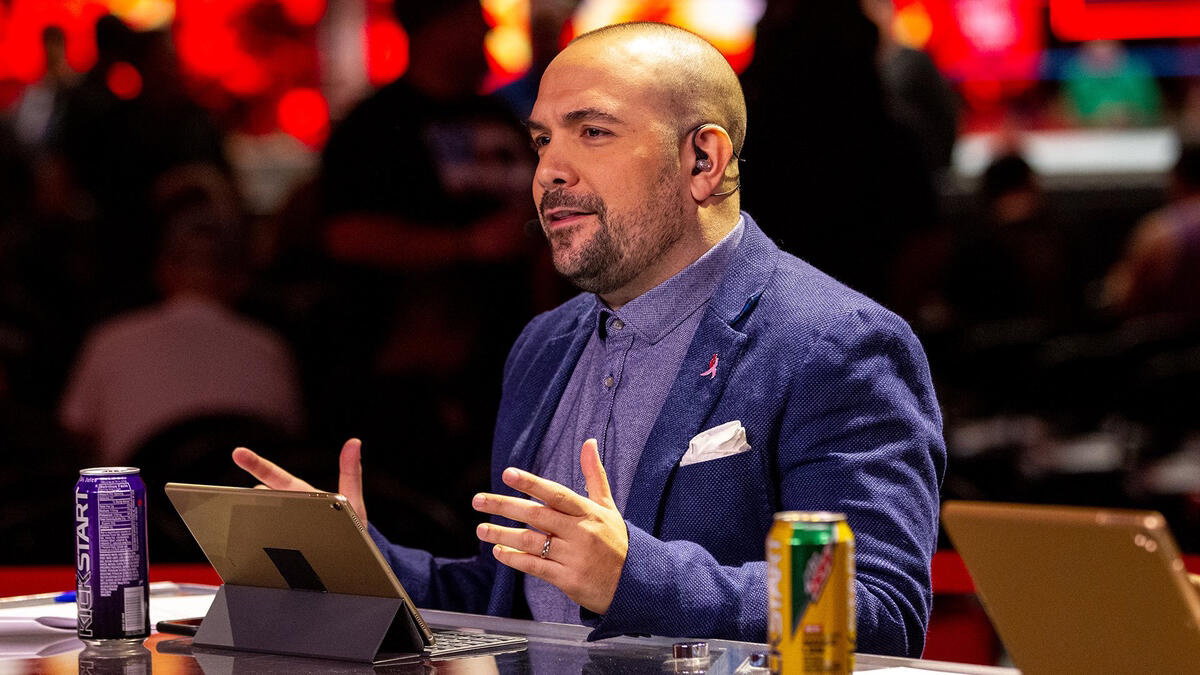
Compared to the leaner cards of the late 2000s, where 7 or 8 matches often defined the main stage, the modern heavy-weight format forces a high-volume approach to talent utilization. However, high-volume cards create a specific problem: risk management. Broadcaster Peter Rosenberg recently warned talent about the all risk, no reward mentality regarding high-altitude dives. When a performer risks a career-ending injury in a mid-card match to pop an audience, the math on their long-term value fails.
Why the mid-card bloat invites diminishing returns
- Increased match counts dilute the significance of main-event slots.
- High-risk maneuvers in openers often lack the narrative weight to justify the physical toll.
- Management is pressured to push momentum-heavy stars, leading to an overcrowded card.
The internal metrics for a successful WrestleMania revolve around legacy-defining moments, not just total match count. If WWE adds too many bouts, the 4.5-hour average runtime per night becomes a drag on engagement scores. Scaling the card up to 14 or 15 matches could force the production into a speed-run format that devalues the very momentum Barrett praises. WWE has improved at pushing new talent, but their ability to restrain the event's scale remains a glaring error in judgment.
Ultimately, the move toward a more supportive management style is positive, but it cannot fix a congested booking sheet. The challenge for Triple H and Khan is to reconcile this newfound player agency with a more disciplined approach to card construction. If the match count rises above 14, they risk sacrificing the quality of the individual performances for the sake of hitting headcount targets.
Read Next