WrestleMania 41 Under Pressure: Time Cuts Spark Backstage Fury
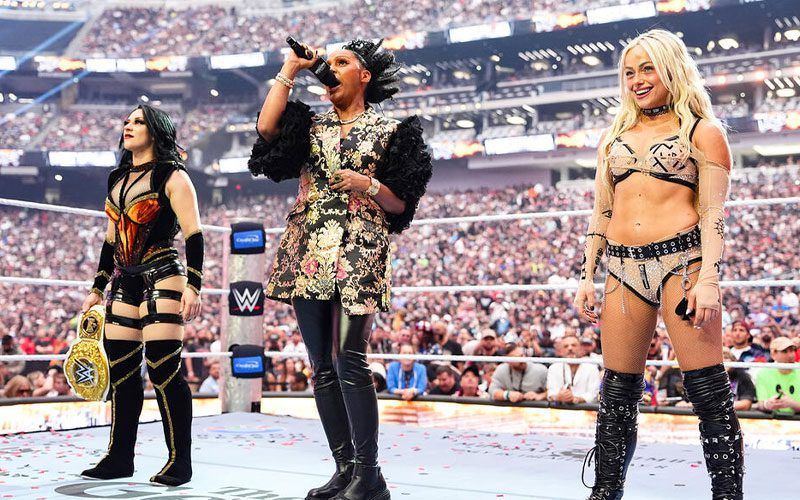
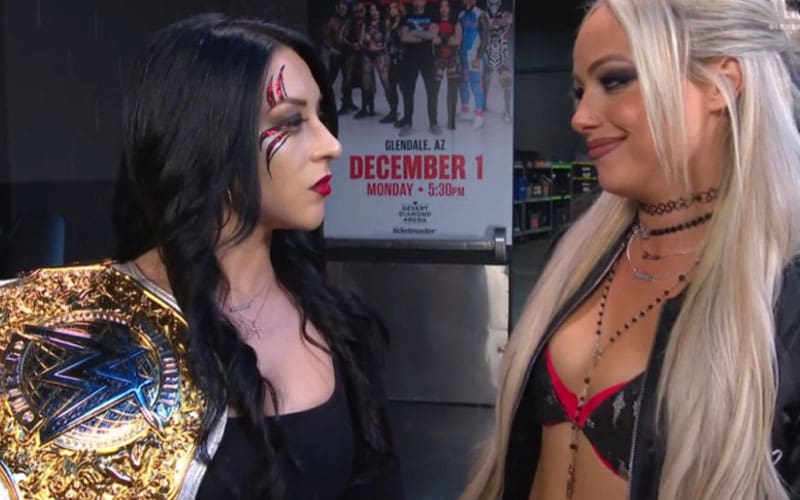
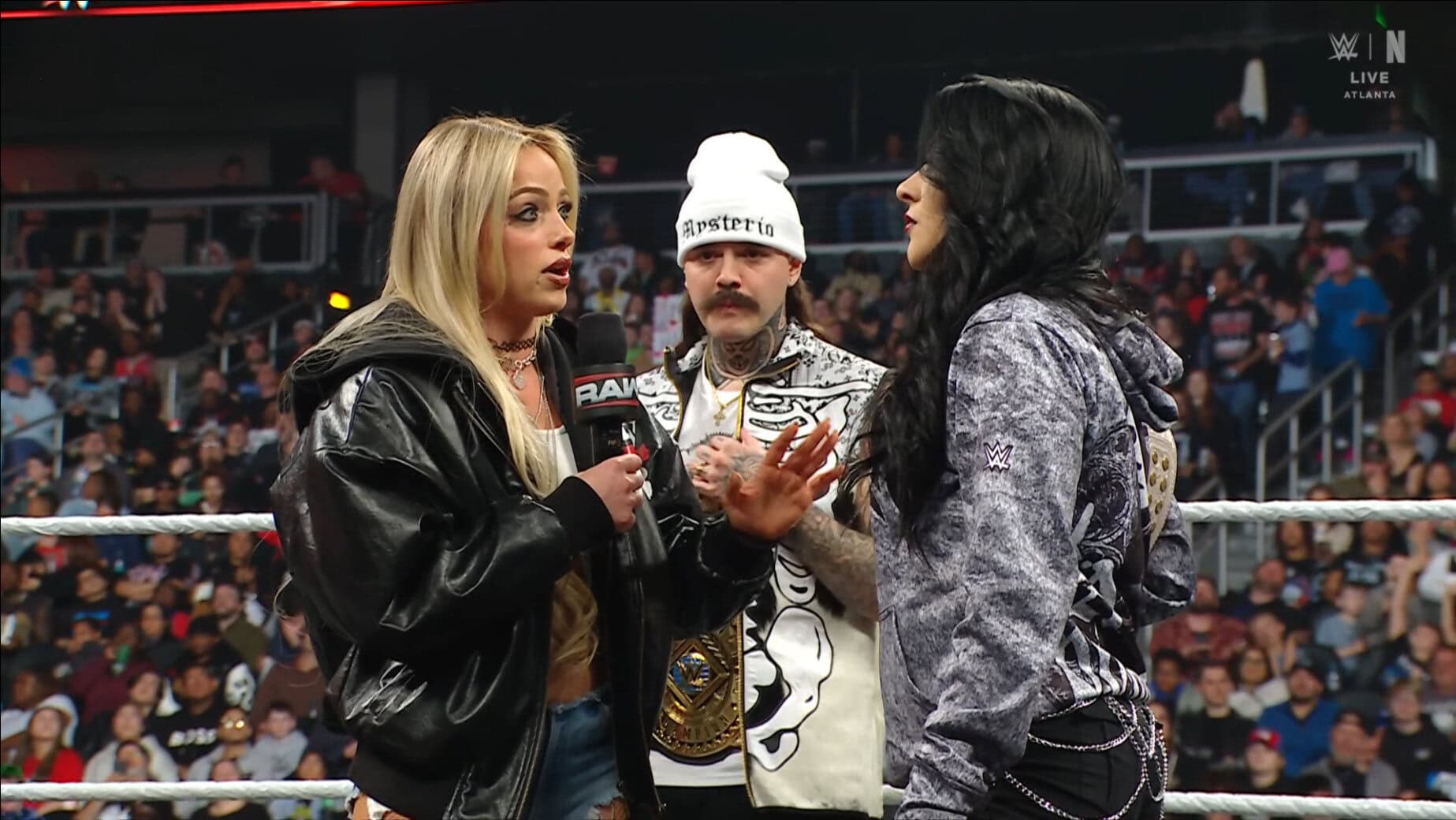
The "Showcase of the Immortals" delivered its usual spectacle this past weekend, but behind the scenes, frustration reportedly boiled over. Backstage sources cited by WrestlingNews.co confirm that the highly anticipated match between Liv Morgan and New Japan Pro-Wrestling's Stephanie Vaquer at WrestleMania 41 was abruptly cut short. This contentious decision stemmed directly from severe time constraints, forcing WWE creative into last-minute adjustments that have left a bitter taste.
WrestleMania, a two-night extravaganza, consistently battles against its own ambitious scale. As Night 2 unfolded on April 20, 2026, internal reports suggest frantic efforts were made to compress a sprawling card into its predetermined broadcast window. The casualties of this pressure included segments and, most notably, the promised encounter between Morgan and Vaquer.
For two athletes who had prepared extensively for professional wrestling's biggest stage, the outcome was particularly galling. The match's brevity reportedly left both competitors, along with a significant portion of the audience, feeling profoundly disappointed. This incident casts a shadow over an otherwise celebratory event, highlighting persistent logistical challenges.
The Logistical Nightmare of a Packed Card
While specific minute-by-minute breakdowns remain internal, the consensus among backstage observers points to a cascade of overruns. Earlier high-stakes bouts and elaborate entrance segments reportedly pushed the event past its scheduled time. The sheer volume of talent and the theatrical demands of WrestleMania regularly test the limits of live broadcast production.
The unfortunate reality for mid-card talents like Liv Morgan and international guests such as Stephanie Vaquer is a reduced platform. For Vaquer, a formidable talent from NJPW STARDOM, a shorter WrestleMania debut significantly curtails her exposure. This limits her opportunity to make a lasting impression on the global WWE audience, potentially impacting future collaborative ventures.
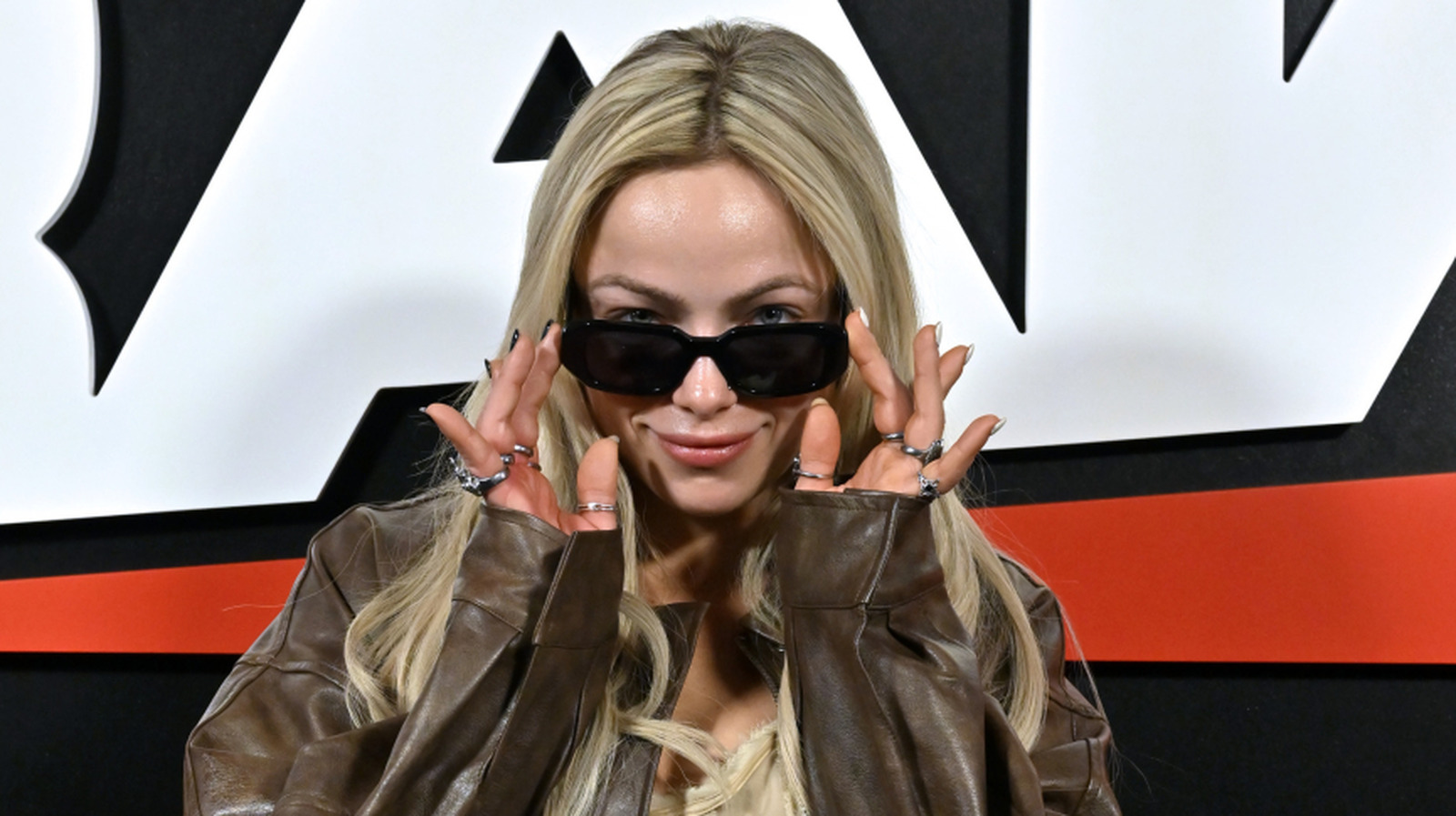
Liv Morgan, currently positioned in a prominent storyline, also saw her spotlight diminished. Reports indicate that planned narrative beats and impactful moments were truncated, impacting the arc of her ongoing character development. This isn't merely about lost ring time; it’s about a disruption to long-term booking strategies for a rising star.
Mounting Frustration Among Talent and the WWE Universe
The immediate fallout from the abbreviated match saw widespread frustration among those directly involved. While professionalism is a hallmark of WWE's roster, the sting of a compromised WrestleMania showing is undeniably sharp. Social media platforms quickly became a forum for fan complaints, amplifying the disappointment and critical sentiment.
Viewers had invested in the build-up, anticipating a competitive and extended contest showcasing both women's distinct styles. Instead, they witnessed a glimpse, leaving many to wonder about the match's true potential. This collective sentiment from the fanbase adds considerable pressure on WWE to meticulously manage audience expectations and deliver on its promises for marquee events.
Whispers and concerns regarding match allocation are not new within WWE locker rooms, especially after high-stakes shows. Such incidents can significantly impact talent morale, particularly for those who dedicate grueling months to preparing for their definitive WrestleMania moment. The balance between catering to main event attractions and fostering a robust, compelling undercard remains a constant, often unsuccessful, struggle for the company.
A Systemic Challenge: WrestleMania's Recurring Time Dilemma
This situation involving Morgan and Vaquer isn't an isolated anomaly for WWE's flagship event. The expanded, multi-night WrestleMania format, while offering increased opportunities for a larger roster, has consistently introduced significant logistical headaches. The delicate orchestration of segment timings, mandatory commercial breaks, and the inherent unpredictability of live performances frequently threaten to derail the most carefully constructed plans.
Critics have repeatedly highlighted WWE's tendency to prioritize established main event stars and their storylines, sometimes at the clear detriment of mid-card narratives and emerging talents. This pattern risks alienating a segment of the fanbase that craves diverse matchups and equitable representation across the entire card. The perceived favoritism in allocation of prime time and match length is a consistent source of contention.
The critical observation here is that WWE appears locked in a cycle where its biggest show, designed to elevate the entire roster, inadvertently undermines a portion of it due to poor time management. An honest, internal review of production protocols and a potential re-evaluation of card structure could mitigate these recurring issues. Ensuring every match on the "Showcase of the Immortals" feels truly immortal, rather than regrettably truncated, is paramount for the product's integrity and long-term fan satisfaction.
Road to Backlash: Fallout and Future Implications
With WrestleMania 41 now concluded, the wrestling world rapidly shifts its gaze to WWE Backlash 2026, scheduled for May 9. The reverberations from WrestleMania's time cuts could significantly influence upcoming booking decisions. Talents who felt marginalized on the biggest stage may be empowered to demand more prominent roles or deliver more impactful performances in subsequent events, turning frustration into renewed competitive fire.
For Liv Morgan, this incident could serve as a powerful catalyst, potentially fueling a more intense and aggressive in-ring persona. Her perceived injustice at WrestleMania 41 might morph into a compelling character dynamic, driving her pursuit of championship gold or new rivalries. The narrative potential for a star feeling wronged is immense, if handled correctly by creative.
Similarly, Stephanie Vaquer's next WWE appearance, whenever it materializes, will inherently carry the weight of a WrestleMania opportunity that was unexpectedly curtailed. This situation could imbue her with a strong underdog narrative, resonating with fans who empathize with her truncated moment. How WWE chooses to address this for both competitors will be a key storyline development in the weeks ahead.
Ultimately, the abbreviated Liv Morgan vs. Stephanie Vaquer match stands as a potent reminder of live professional wrestling's unpredictable nature and the relentless pressure of broadcast schedules. While WrestleMania 41 undoubtedly delivered its share of unforgettable moments, the persistent whispers from backstage regarding this specific encounter underscore a systemic challenge. WWE must continuously strive to refine its event management for the overall health of its product and, crucially, for the satisfaction of both its dedicated talent and passionate fanbase.
Read Next
- Liv Morgan is talking about reinvention and the timing is interesting
- Liv Morgan and Dominik Mysterio are right to hate their generic theme music
- Nikki Bella is picking a fight she cannot win against Bayley
- Cody Rhodes eye injury leaves WrestleMania 41 plans in a state of chaos
- 🏆 WrestleMania 41 — Full Coverage Hub