The Broadcast Shield and the Ring Reality
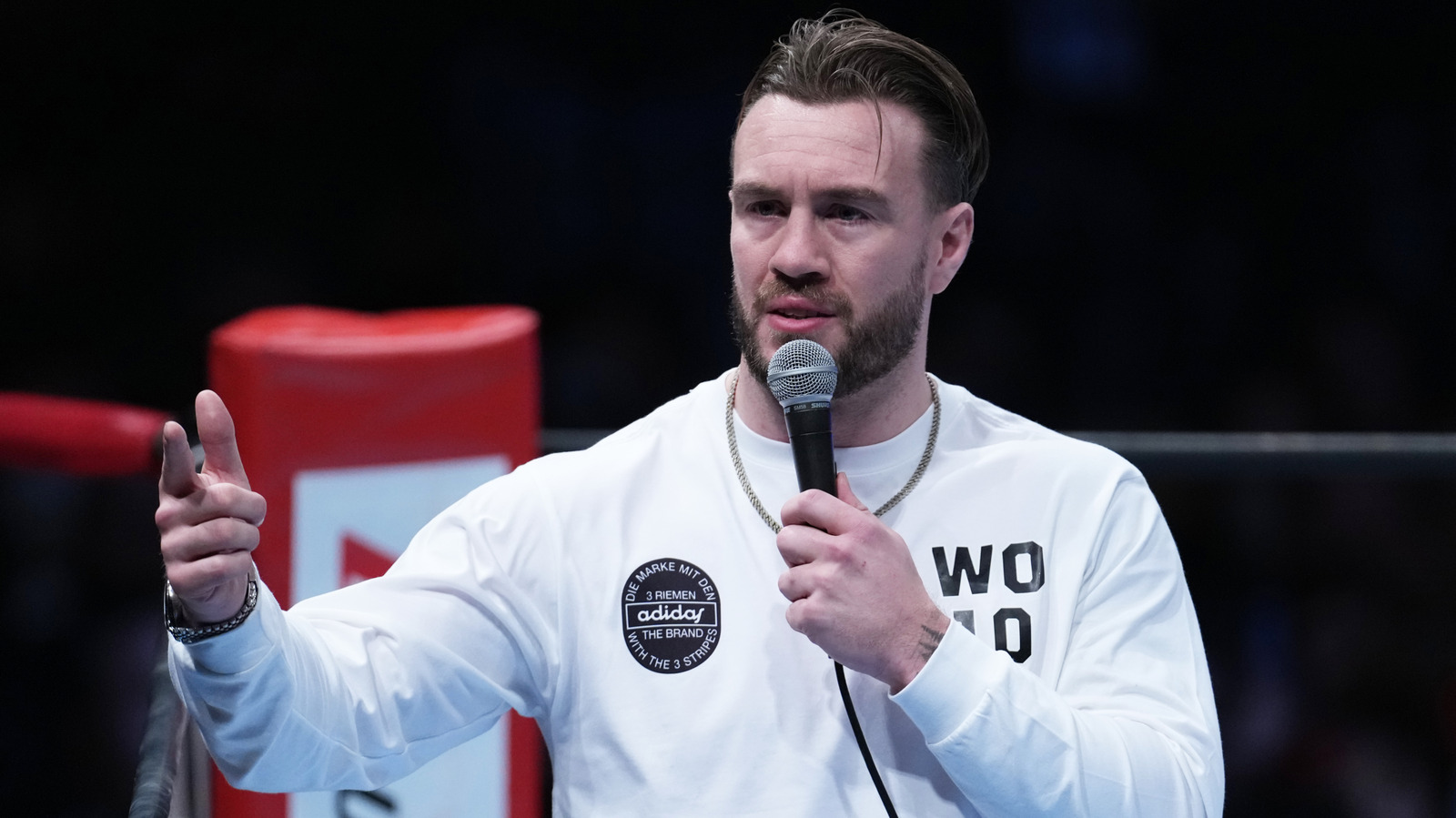
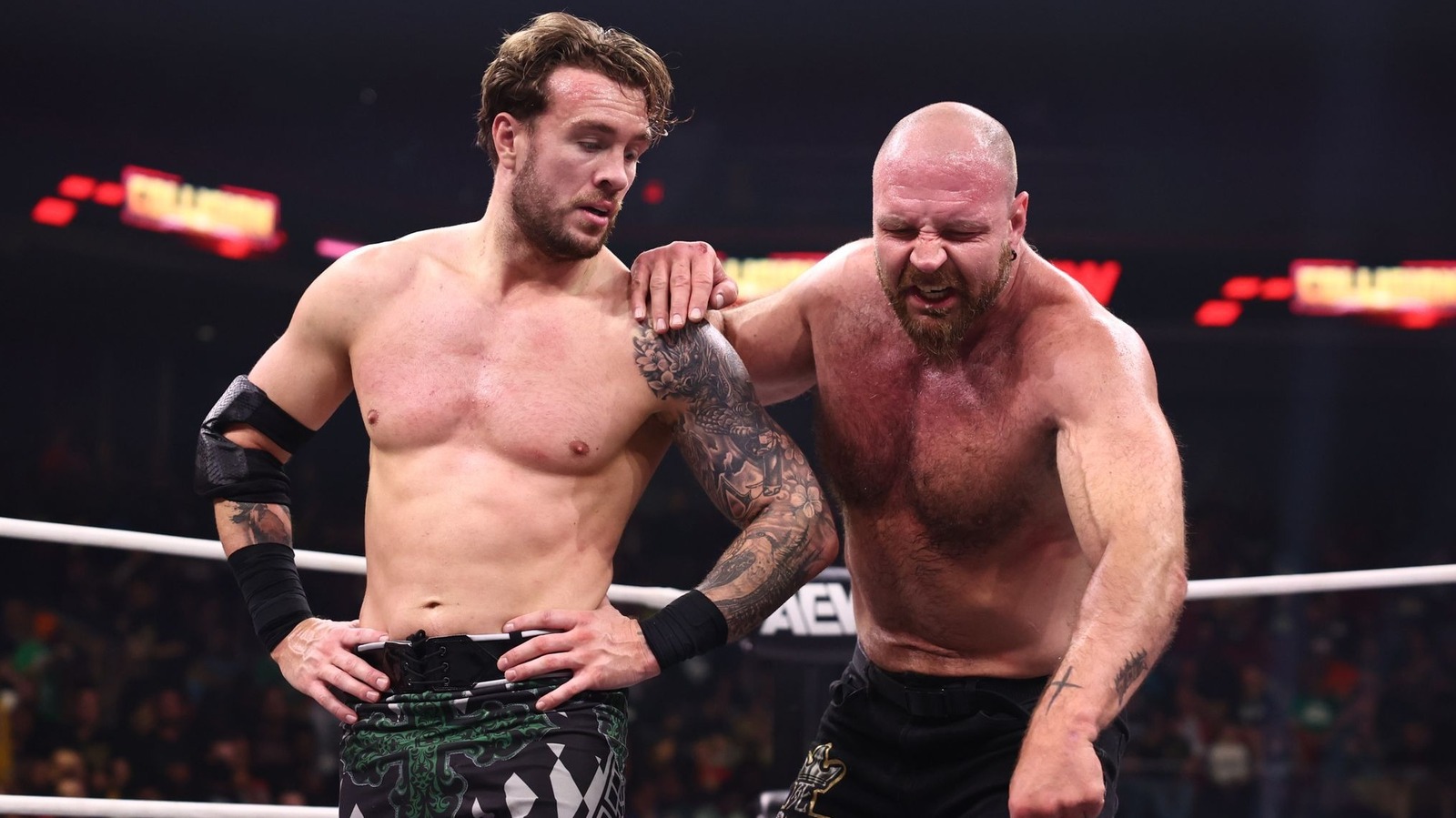
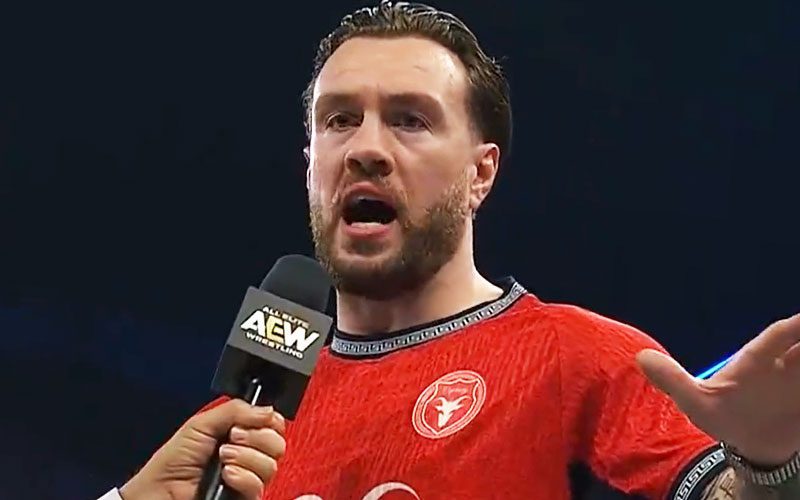
Will Ospreay exists in a state of constant noise. Every week, the English star delivers a high-impact performance in the ring, only for the internet to spend the next forty-eight hours debating his verbal choices on the microphone. The corporate oversight has surprisingly loosened, allowing Ospreay to push the boundaries of live television.
According to a Ringside News report, Paramount had no issues with Ospreay’s recent controversial promo on AEW Dynamite. This corporate tolerance gives Ospreay a green light to continue his unfiltered style, but the real test remains between the ropes.
On Wednesday, Ospreay faces Konosuke Takeshita in a singles match that carries massive stylistic implications. While the microphones generate social media traffic, this match will be decided by micro-second reaction times and pure physical durability.
Takeshita has spent the last month dismantling opponents with a brutal, high-angle offensive style. Ospreay must transition from the soapbox back to the canvas if he wants to survive.
This match is not a showcase. It is a collision of two athletes who represent the peak of modern athletic wrestling. The winner establishes a clear path to the top of the card.
The loser faces a long slide down the ranking structure. In a roster this crowded, recovering momentum is a grueling process.
The Ghost of Empty Shoot Promos
The reliance on real-life tension to sell matches is a dangerous game that AEW continues to play. We saw the limitations of this approach three years ago during an awkward exchange on AEW Collision.
Adam Copeland recently downplayed that heated segment with Ricky Saints, who has since departed for WWE. As Wrestling Inc reported, Copeland insisted there was no bad blood between them.
Yet, the segment itself left a strange taste in the mouth of viewers. It highlighted how quickly shoot promos can derail storytelling when they do not lead to a satisfying payoff.
When wrestlers break the fourth wall, they risk exposing the booking rather than enhancing the drama. Copeland and Saints traded barbs that felt less like building a match and more like personal bickering.
Now, with Saints out of the company, that exchange stands as a monument to wasted television time. AEW must avoid this trap with Ospreay.
If Ospreay’s promos continue to focus on real-world grievances, they distract from the actual athletic narrative. The fans want to see the best wrestler in the world prove it in the ring. They do not need corporate boardrooms or network approvals to validate his talent.
The work must stand on its own merits. Anything else is just cheap theater.
The Crossover Tease That Leads Nowhere
This pattern of teasing reality extends beyond domestic rosters to international partners. Tessa Blanchard recently sent fans into a frenzy by mentioning AEW during a CMLL promo.
Many assumed a crossover or a signing was imminent, but the rumors were quickly shut down. A Ringside News details report confirmed that fans jumped the gun regarding her status.
This is another classic example of modern wrestling’s worst habit. Promoters chase a temporary online buzz at the expense of long-term logic.
CMLL is a vital partner for AEW, providing elite talent and fresh matchups. Using CMLL’s platform to tease name-drops like Blanchard’s creates expectations that the booking cannot fulfill.
It trains the audience to look for clues and internet rumors rather than focusing on the active roster. This constant search for the next surprise weakens the current product.
AEW needs to focus on the talent currently occupying the locker room. The women’s division, in particular, requires sustained stories rather than fleeting teases of outside stars.
When the focus shifts to who might walk through the door next, the wrestlers currently taking the bumps are pushed into the background. It is a booking strategy that yields diminishing returns.
Tactical Breakdown: Pacing and Move Efficiency
To understand why Ospreay vs. Takeshita is so compelling, we must look at the numbers. Ospreay’s transition from the junior heavyweight division to heavyweight has altered his offensive metrics.
His average match duration has increased to twenty-two minutes, requiring a significant shift in energy conservation. He no longer flies recklessly; he waits for specific defensive lapses to strike.
Takeshita’s defense is built around a heavy forearm block and quick lateral movement. In his last five televised singles matches, Takeshita has successfully countered 78% of springboards.
This means Ospreay’s signature OsCutter is a high-risk maneuver in this matchup. If Ospreay goes to the well too often, Takeshita will catch him mid-air with a lariat or a high-angle suplex.
Ospreay’s primary weapon is the Hidden Blade. He sets this up by driving his opponent into the ropes, creating a blind spot as they rebound.
Takeshita’s counter to this is the jumping knee, a strike that can intercept Ospreay’s forward momentum. The match will likely turn on which wrestler can execute their signature strike first during the final sequence.
We must also watch Ospreay’s selling of his neck. His history of injuries is well-documented, and Takeshita’s offense targets the cervical spine.
Takeshita’s deadlift German suplex exerts incredible force on an opponent’s neck. If Takeshita lands even one of these suplexes, Ospreay’s offensive output will drop dramatically.
The Mid-Match Fatigue Factor
Takeshita’s cardiovascular conditioning allows him to maintain a high pace deep into the match. He operates at an average of 4.2 offensive actions per minute in the second half of his contests.
Ospreay, by contrast, relies on bursts of explosive energy separated by periods of defensive selling. This creates a fascinating tactical dynamic where Takeshita will attempt to grind Ospreay down.
If Ospreay allows himself to be pinned against the turnbuckles, he will face a barrage of chops and forearm strikes. He must use his superior agility to keep the match in the center of the ring.
A center-ring battle favors Ospreay’s counter-striking ability. However, if the action spills to the floor, Takeshita’s power advantage becomes dominant.
A major flaw in Ospreay’s current style is his tendency to play to the crowd after big moves. In a high-stakes environment, those two-second pauses allow an opponent like Takeshita to recover.
Ospreay cannot afford to waste motion. Every second spent posing is a second Takeshita uses to reset his defensive posture.
The Finishing Sequences and the Prediction
The closing minutes of this match will be chaotic but highly structured. Expect Ospreay to attempt a Storm Breaker, but Takeshita’s low center of gravity makes him difficult to lift.
Takeshita will likely counter into a wheelbarrow suplex or a poison rana. The margin for error is razor-thin for both men.
Takeshita’s paths to victory are numerous, but his most reliable is the rolling elbow followed by a high-impact knee strike. Ospreay must utilize his Spanish Fly counter to neutralize this combination.
If Ospreay can hit the Spanish Fly off a whip, it will stall Takeshita’s momentum. That sets up the final Hidden Blade.
Our prediction is a victory for Will Ospreay, but it will come at a high physical cost. Ospreay will win by capitalizing on a missed jumping knee from Takeshita, transitioning immediately into a Hidden Blade to the back of the head.
Expect the finish to occur around the twenty-four-minute mark. Ospreay wins, but his neck will be the primary story going into the next television cycle.
Read Next
- Top 10: Top Moments
- Kenny Omega's career is on the line, but MJF has a much bigger problem
- Why Big Bill must resist the nostalgia of an Enzo Amore reunion
- Nixon Newell and Miranda Alize's engagement has reopened some old AEW wounds
- ⚡ AEW Dynasty 2026 — Full Coverage Hub
- 🎲 AEW Double or Nothing 2026 — Full Coverage Hub