The Math of the Left-Side Bottleneck
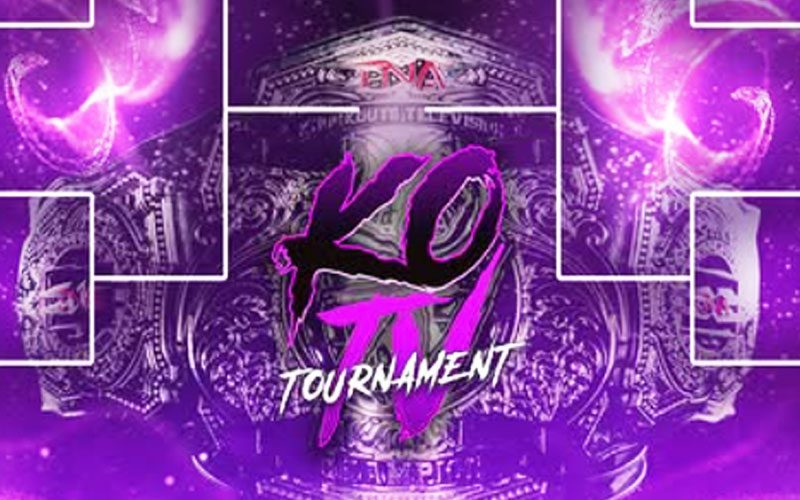
On July 2, 2026, TNA iMPACT will debut the first matches of the new Knockouts Television Championship tournament. As reported in the WrestleTalk bracket reveal, only two of the 16 competitors represent WWE’s NXT brand: Wendy Choo and Thea Hail. This represents a modest 12.5% share of the tournament field, but the structural design of the bracket makes their path to the finals even narrower.
Both WWE entrants have been placed on the left side of the bracket. This means the absolute maximum representation WWE can achieve in the finals is a single slot, representing a 6.25% ceiling on their overall tournament success.
This layout ensures that even if both NXT stars perform flawlessly, they must collide in the semifinals. The left side is a gauntlet of contrasting styles. Thea Hail is scheduled to face Harley Hudson in the first round.
If she wins, she faces either Indi Hartwell or Vicki Venuto in the quarterfinals. Wendy Choo faces Elayna Black, with the winner moving on to face either M By Elegance or Rosemary. Should both WWE stars secure victories in their first two matches, they will meet in the semifinals.
This eliminates any possibility of a historic all-WWE final, restricting the promotion's potential title capture to a single pathway. Structurally, the tournament is designed to protect TNA's home turf while generating the maximum possible viewership from the crossover appeal of the WWE talent.
By contrast, the right side of the bracket is populated entirely by TNA-affiliated talent. Jada Stone faces Alisha Edwards, Jody Threat takes on Gabby Forza, Mara Sade wrestles Tasha Steelz, and Heather By Elegance meets Allie. This guarantees a TNA competitor will fill at least one spot in the inaugural title match.
The Historical Context of the Division's Titles
This tournament marks a significant expansion for TNA's women's division. Since October 2007, the Knockouts World Championship has stood as the sole singles title for the women's roster. For 18 years and 8 months, the division operated with only one singles prize and the tag team titles, which were introduced in August 2009.
The creation of the new TNA Knockouts Television Championship addresses a long-standing developmental gap. It gives the midcard roster a dedicated prize to contest on weekly television.
One of the most intriguing entries in the tournament is Indi Hartwell, who faces Vicki Venuto in the opening round. Hartwell is a former WWE star who was released from her contract in October 2024. After returning to the independent circuit, she officially signed with TNA in 2025, seeking to re-establish herself as a premier singles competitor.
Her presence in the bracket adds a layer of depth, but because she is now a full-time TNA signee, her matches do not count toward WWE's active crossover metrics. She represents a former asset repurposed to bolster TNA's core division.
The left side also features a direct continuation of the tag team feud that culminated at Slammiversary. On June 28, 2026, Rosemary and Allie, known as DemonXBunny, defeated Heather and M by Elegance to capture the Knockouts World Tag Team Championship. The singles tournament bracket immediately weaponizes this result.
Rosemary is set to face M By Elegance, while Heather By Elegance takes on Allie on the right side. These matchups are designed to extend the tag team narrative into the singles division. They utilize established rivalries to anchor the tournament's mid-rounds.
Analyzing Crossover Performance Metrics
To understand why TNA and WWE have structured the bracket this way, we must look at the historical data of the partnership. Since the collaboration began in earnest, crossover segments have yielded immediate, quantifiable ratings increases.
During the initial phase of the crossover in mid-2024, NXT saw a substantial ratings boost. The June 4, 2024, episode of NXT, which featured Jordynne Grace's in-ring debut against Stevie Turner, drew 768,000 viewers and a 0.24 rating in the key 18–49 demographic. This represented a 42% increase in the key demographic compared to the previous week's episode, which drew 703,000 viewers and a 0.22 rating.
Similarly, Joe Hendry's NXT debut on June 18, 2024, helped NXT average 724,000 viewers. That episode achieved a 0.26 rating in the 18–49 demographic, ranking as the number one cable show of the night. These figures demonstrate that TNA talent moving to WWE NXT provides a short-term spike in viewership.
However, the reverse traffic—WWE stars appearing on TNA programming—serves a different strategic purpose. By sending NXT developmental talent like Thea Hail and Wendy Choo to TNA, WWE can assess their performance in front of a different crowd while boosting TNA's domestic audience. This arrangement, as outlined in reports discussing the future of the WWE-TNA partnership, relies on mutual benefit rather than equal win-loss distribution.
Indeed, WWE stars rarely win major championships in TNA, and TNA stars rarely win titles in WWE. At NXT Battleground on June 9, 2024, NXT Women's Champion Roxanne Perez defeated TNA Knockouts Champion Jordynne Grace in 13 minutes and 57 seconds. The match was highly competitive, but the booking protected the home promotion's champion.
We should expect a similar statistical pattern in this tournament. Placing both NXT wrestlers on the left side ensures that TNA retains control over the final matchup on the right side. This guarantees that at least one finalist will be a full-time TNA contract holder.
In-Ring Tactical Analysis of the Left Side
The first-round matchups on the left side present distinct tactical challenges. Thea Hail’s match against Harley Hudson will depend heavily on Hail's transition speed. Hail relies on a high-velocity submission game, utilizing a flying armbar to transition into her signature Kimura lock.
Hudson must counter this by slowing the pace down, using her size advantage to keep Hail grounded. If Hail cannot secure the submission within the first seven minutes, her high-energy style risks burning out, exposing her to Hudson's power-based offense.
Wendy Choo’s encounter with Elayna Black offers another contrast. Choo has developed a methodical, psychological style, often lulling opponents into a sleep-like state before executing her sleeper hold. Black, a physical competitor known for her striking, will need to press the action early.
In her recent NXT appearances, Choo has shown a vulnerability to aggressive, strike-heavy opening sequences, often dropping the first three minutes of control time. If Black can exploit this sluggish start, she can prevent Choo from locking in her submission finishing sequences.
The winner of these two matches will likely face off in the semifinals, assuming they survive the quarterfinals. For WWE, having Hail and Choo in the same bracket quadrant is a double-edged sword. It guarantees at least one NXT star will make the quarterfinals, but it also caps their efficiency.
Mathematically, the maximum number of matches the two WWE stars can win combined is seven, whereas the TNA roster has a maximum win capacity of 14 across the entire tournament. This represents a clear booking decision to keep the championship firmly rooted in TNA's weekly roster.
The Flaws in the Tournament Structure
While the crossover elements add intrigue, the tournament structure itself has notable flaws. The decision to place both WWE stars, along with former WWE talent Indi Hartwell, in the same half of the bracket is a booking mistake. This top-heavy left side leaves the right side feeling barren of star power.
Fans are forced to watch matches like Jada Stone versus Alisha Edwards and Jody Threat versus Gabby Forza on the right side, which lack the crossover appeal or the in-ring pedigree of the left side's matchups. This lopsided bracket risks creating a steep drop in television viewership during the middle weeks of the tournament. The right-side matches fail to capture the same digital engagement numbers.
Furthermore, the crowning of a new singles champion comes at a time when the Knockouts division has struggled with consistency. The Knockouts World Championship recently changed hands at Slammiversary on June 28, 2026, with Xia Brookside defeating Lei Ying Lee.
Introducing a secondary title immediately after a major title change risks diluting the prestige of the top championship. If the Television Champion is defended weekly, it could overshadow the World Championship, especially if the World Champion is not featured in high-profile matches on every episode. TNA risks repeating the mistakes of other promotions by over-saturating its roster with gold before establishing clear, distinct divisions for each championship.