The corporate cuts and the death of the WWE monopoly
If you were sitting in a sports bar on April 24, 2026, when the latest round of WWE roster cuts dropped, you probably heard a collective groan from the hardcore fans in the corner. For decades, getting the pink slip from Stamford was the wrestling equivalent of being exiled to Siberia. You went from flying private and playing with action figures of yourself to working high school gyms in front of fifty people smelling like stale popcorn.
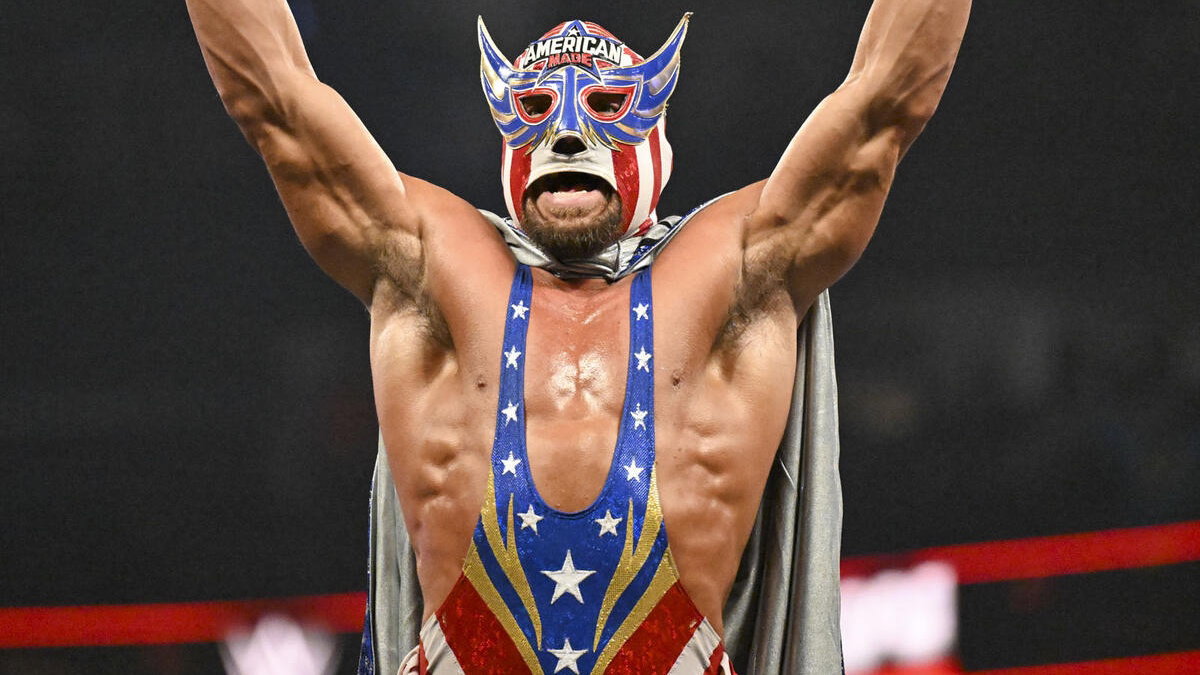
That corporate safety net is gone, but the panic button should remain unpressed. Take a look at Apollo Crews. The guy is a walking, breathing create-a-wrestler with cheat codes enabled, yet he was sent packing during the spring cleaning.
He has the kind of athletic freakishness that makes other pro athletes look like couch potatoes. We are talking about a guy who can military press a three-hundred-pounder and then hit a standing moonsault without breaking a sweat. Yet, he spent years running on a treadmill of bad booking, completely forgotten by the writers.
Wrestling is currently experiencing a massive boom, and the WWE exit door is no longer a career cliff. It is a portal to promotions that actually let talent wrestle. The monopoly is dead, even if the corporate offices in Stamford do not want to admit it.
Wrestlers are realizing that there is life, money, and respect outside the Stamford bubble. They do not need to wait for a scriptwriter to remember they exist.
How creative politics can make or break a career
Former WWE ring announcer Greg Hamilton recently dropped some truth bombs during an interview with Forbes, as F4WOnline reported. Hamilton did not hold back about how the sausage gets made behind the scenes. He explained that creative can make you a legend, or creative can get you fired.
It is a cutthroat political theater where getting over with the writers is more important than getting over with the crowd. That is the ugly truth of the corporate machine. You can be the hardest worker in the locker room, but if a writer does not like the way you look, you are done.
The creative team has the power to bury you in three-minute comedy segments. Just look at how Crews was packaged. He went from a smiling babyface with no direction to a cartoonish Nigerian royalty gimmick that felt like a bad Saturday Night Live sketch.
It was a booking disaster class from start to finish. Crews was released on April 24, 2026, after years of spinning his wheels. Instead of letting him go out and tear the house down with guys like Gunther, WWE chose to keep him on the shelf.
The writers simply did not know what to do with a guy who spoke with his work rate instead of catching catchphrases. It is a recurring problem in Stamford where they build a sandbox and then refuse to let the best athletes play in it.
"In wrestling, man, creative can either make you a superstar and a Hall of Famer or a creative can get you cut."
Hamilton's quote highlights the sheer helplessness of the performers. They are elite athletes whose livelihoods depend on the whims of creative directors who might have never taken a bump in their lives. You have to play the game, brown-nose the booking committee, and hope they do not get bored of you.
Why TNA and the indies are the new land of opportunity
But here is the good news for the castoffs. TNA Wrestling is reportedly very interested in signing Crews, as F4WOnline also noted. The rumor mill is buzzing, and there is active internal discussion about bringing the former champion in.
Crews is currently sitting out his non-compete, which would make him a free agent around July 23, 2026. TNA is a fascinating landing pad right now, but it is not without its flaws. Critics will tell you TNA is a chaotic mess that cannot get out of its own way.
The recent departures of Tommy Dreamer and Sami Callihan from their management team show that the drama backstage is never-ending. This constant shifting of power behind the scenes makes long-term storytelling almost impossible. But for a guy like Crews, TNA represents a platform where he can actually work fifteen-minute main events.
He is not the only one finding a second life outside the corporate monolith. Wrestlers who get cut now have multiple options to rebuild their brands:
- TNA Wrestling, which is rebuilding its roster with former champions.
- PRODUCE Wrestling, a talent-driven hybrid of art and sport in Brooklyn.
- AEW-adjacent projects streaming on Kiswe-powered platforms.
Look at Andre Chase, who is now performing under the name Andre Chance. He was let go by WWE and immediately landed on his feet, partnering with a new promotion called PRODUCE Wrestling. His next move was confirmed on June 26, 2026, when they dropped a promo video reviving his popular university gimmick as Chance University, which was confirmed by F4WOnline.
PRODUCE Wrestling is not your grandad's indie show in an armory. Founded by creative director Adam Abdalla, it is a talent-first, curator-driven concept that blends wrestling with art, film, and live music. They even signed a pay-per-view distribution deal with MyAEW, which is the streaming platform powered by Kiswe and AEW.
Their debut event on June 29, 2026, is set to take place at Pioneer Works in Brooklyn. Nick Gage is running around as the Commissioner, Rocky Romero is involved, and Andre Chance is ready to school the indies.
This is the ultimate proof of life after Stamford. Andre Chance went from being a mid-card comedy act in NXT to co-producing his own wrestling art show in Brooklyn. The options for talent are expanding rapidly, and the wrestlers are the ones holding the cards.
Eric Bischoff and the historical amnesia of wrestling promoters
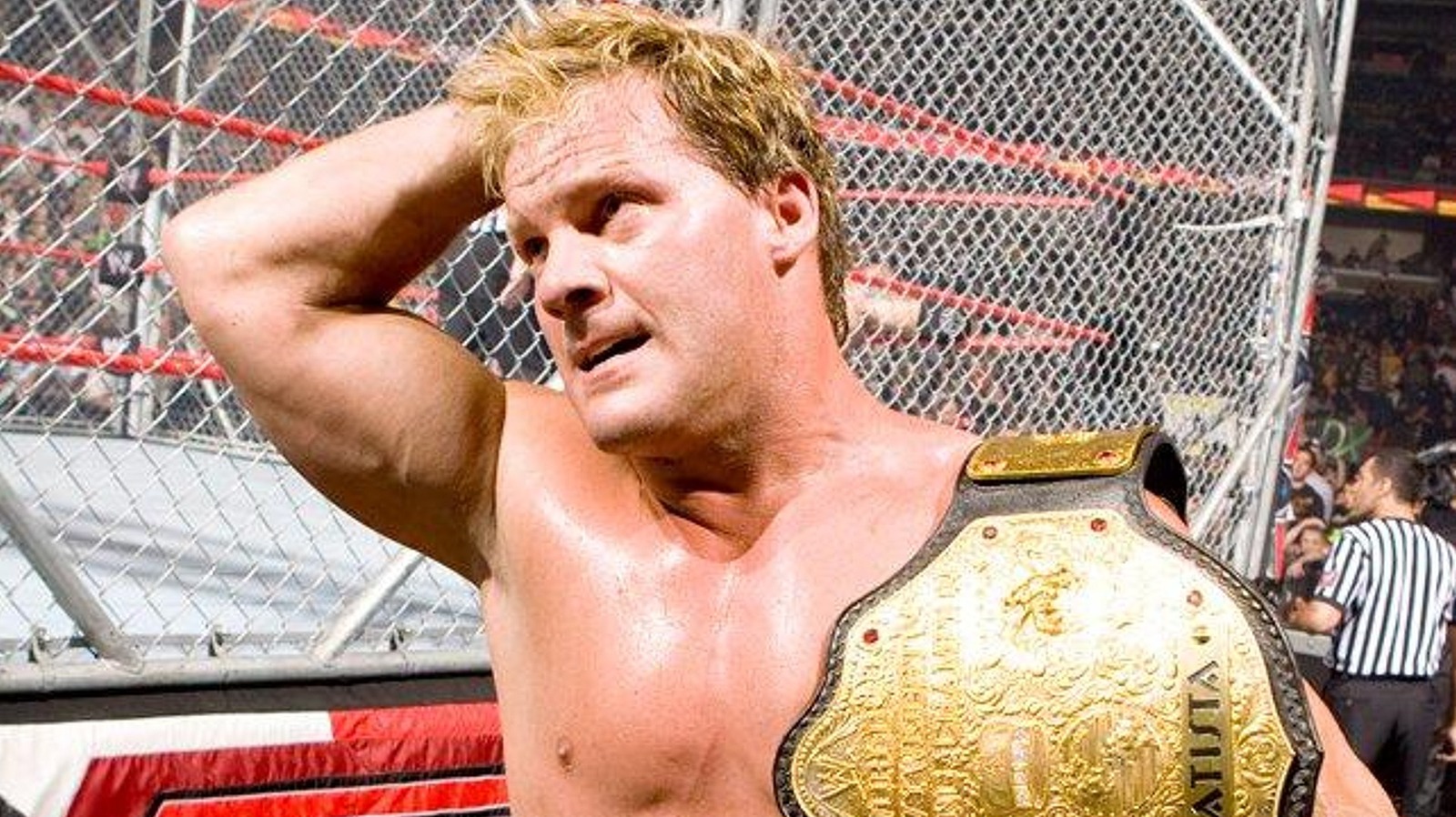
Of course, the old guard will always be skeptical of anyone who succeeds outside the WWE template. Look at Eric Bischoff. The former WCW executive recently admitted on his podcast that he was completely surprised by the success Chris Jericho had in WWE, as Wrestling Inc reported.
Bischoff's reasoning was classic old-school thinking. He did not think Vince McMahon would ever push a guy of Jericho's size because Vince loved giant bodybuilders. It is a hilarious admission of blind spots.
Bischoff was disappointed when Jericho jumped ship in 1999, questioning why he would make the move. Jericho went on to become one of the greatest of all time. He proved that talent and adaptability beat corporate casting calls every single time.
Bischoff's surprise shows how promoters can become prisoners of their own narrow visions. They fail to see the potential in guys who do not fit a specific physical mold. We have seen this movie before.
The PWTorch Pastcast, hosted on PWTorch, recently reviewed a newsletter from June 22, 1996. The massive 178 minute episode covers the height of the Monday Night Wars. That newsletter covered the WCW Great American Bash 1996, the death of Dick Murdoch at 49, and the iconic moment where Scott Hall and Kevin Nash powerbombed Bischoff through a stage.
It also covered the debut of Rey Mysterio, a cruiserweight who would change the business forever. Back in 1996, Bischoff and WCW were riding high, but they still suffered from the same institutional blindness that WWE exhibits today. They brought in cruiserweights to fill the opening match slots, but they never saw them as main event stars.
The top of the card was reserved for aging giants and established names. Jericho had to leave WCW to reach his full potential, just as Apollo Crews and Andre Chance are leaving WWE today to find theirs.
The lesson here is simple. The promoters and the corporate executives do not have a monopoly on taste or talent. When WWE cuts a wrestler today, it is no longer the end of the road. It is just the start of a new chapter where the performer gets to hold the pen.
Whether it is Apollo Crews heading to TNA to tear up the X-Division, or Andre Chance turning Pioneer Works into a wrestling classroom, the talent is finding ways to win. The old guard can keep talking about what Vince McMahon or the corporate office wants. The rest of the wrestling world is moving on, and it is a beautiful thing to watch.