The Hemorrhoid Pitch and the Birth of a Hit
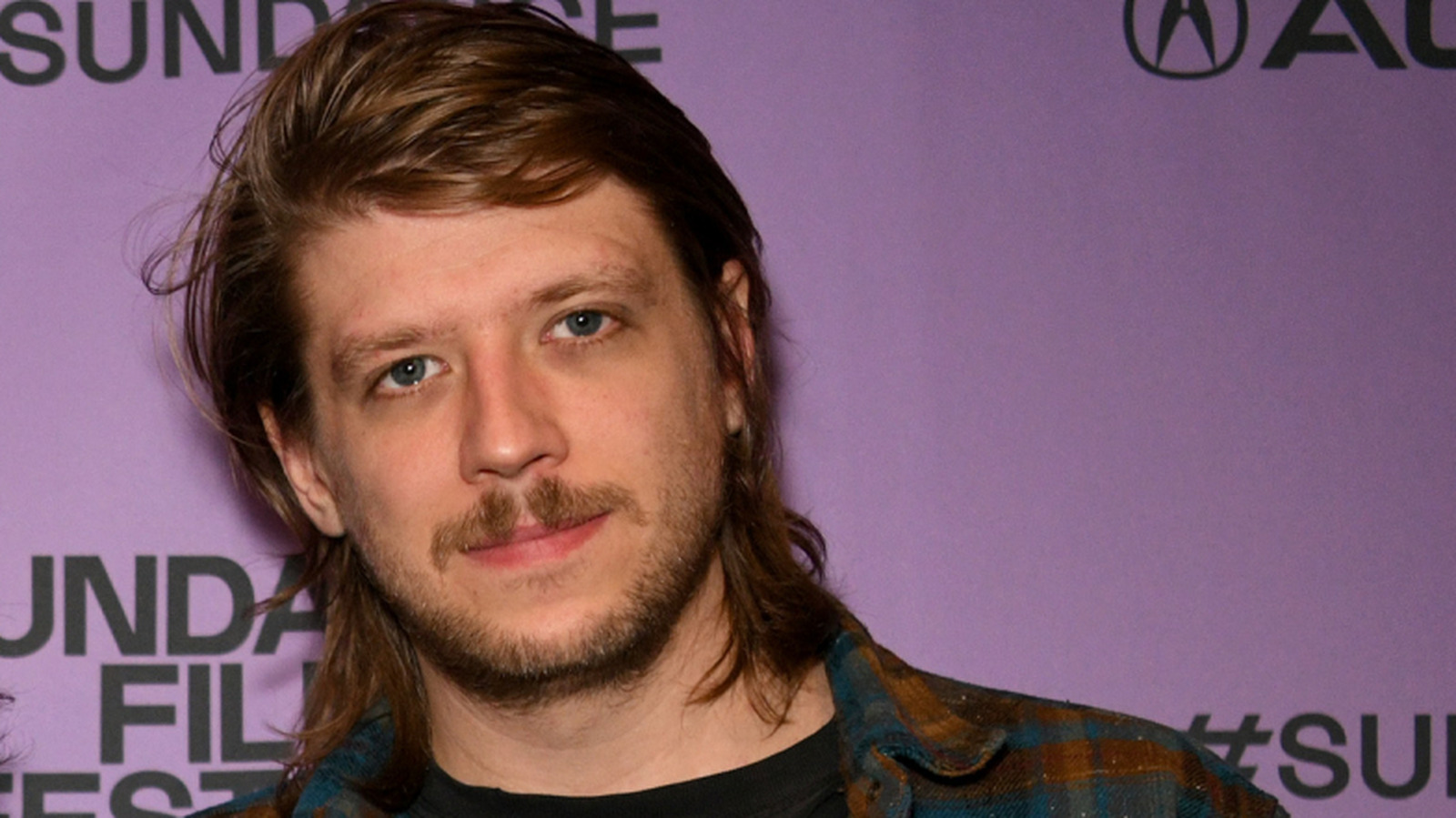
Vice TV almost called its biggest commercial success 'Ring of Pain.' According to a recent report by Ringside News, co-creator Evan Husney had to block that working title from an overzealous producer. Husney recalled telling the executive, "Dude, that's hemorrhoids. You can't call it 'Ring of Pain'."
A phone call with his mother saved the project, yielding the title we know today: Dark Side of the Ring. The series returns for Season 7 on July 7, 2026. The franchise is shifting its focus.
Instead of focusing solely on dead stars, it is examining structural wreckage and specific promotions. The season starts with a three-part look at TNA Wrestling. This is a major gamble.
Starting a three-episode arc for Jeff Jarrett’s early-2000s promotion risks testing viewer patience. Can the show maintain its audience across three hours of Tennessee car-wreck booking? The numbers suggest a steep drop is coming.
The Season 7 Outlook
The Jeff Jarrett Bloat
TNA Wrestling began in the summer of 2002 at the Nashville Fairgrounds. It relied on weekly pay-per-views, costing $9.99 a pop. It was a chaotic mix of X-Division athleticism and Vince Russo’s soap-opera writing.
Jeff Jarrett founded the company with his father, Jerry Jarrett. This happened shortly after Vince McMahon bought WCW, leaving hundreds of wrestlers without jobs. Jeff was blacklisted by WWE in 1999 after demanding $300,000 to drop the Intercontinental title to Chyna.
TNA was his vehicle to remain a main-event player. We predict the double-episode premiere on July 7 will pull in 160,000 viewers. Hardcore fans will tune in for the nostalgia.
They want to see Jarrett's guitar shots and the early Asylum days. But the momentum will not hold. By the time Part 3 airs on July 14, expect the audience to drop to 95,000 viewers.
The story of TNA’s founding is fascinating, but it lacks the tragedy of a typical episode. Viewers will realize they are watching a standard wrestling history documentary. The hook will be gone.
This shows the main problem with the series' current direction. The producers are running out of major tragedies. By expanding stories to fill three episodes, they are introducing narrative padding.
This is a major mistake for a show built on tight, punchy storytelling. Jarrett's self-booking was infamous. He won the NWA World Heavyweight Championship six times during his TNA run.
Fans grew tired of the "Double J" reign of terror. The documentary will likely focus on his backstage power plays. Stretching this across three episodes will feel like a chore.
Samoa Joe vs. Necro Butcher: The Indie Pivot
The most important episode of Season 7 airs on July 21. It focuses on the legendary match between Samoa Joe and Necro Butcher from IWA Mid-South in 2005. This is a departure from the show's normal formula.
It is not about a death or a criminal investigation. Instead, it focuses on one night of extreme physical violence. The match took place in a crowded, sweaty gym in Midlothian, Illinois.
It was stiff, dangerous, and ugly. Joe threw Necro onto concrete with a powerbomb. Necro took a German suplex directly on the top of his head.
We predict this episode will be the breakout hit of the season. It will finish with an IMDb score of 8.8, making it the highest-rated episode since Season 3. Fans want to see the mechanics of indie wrestling, not just corporate politics.
It will prove that the show can survive without relying on tragedy. The episode will also highlight the physical toll of the indie style. Necro Butcher's career was a series of headbutts, bare-knuckle punches, and concrete bumps.
Samoa Joe went on to WWE and TNA stardom, but Necro remained a folk hero. The contrast between their paths is the real story here. Hardcore fans still talk about the 2005 match.
It was a collision of two different worlds. Joe was the polished ROH World Champion, while Necro was the king of deathmatches. The match lasted only nine minutes, but it redefined what fans expected from independent wrestling.
The documentary will expose how little these men were paid for such brutal work. On August 4, the show returns to WCW territory with the story of Renegade. Rick Wilson was pushed in 1995 as the Renegade.
The Mid-Card Tragedy of WCW’s Clone
Eric Bischoff wanted a clone of the Ultimate Warrior to counter WWF. It was a disaster from the start. Wilson was not ready for the push.
Fans saw through the face paint and the running splashes immediately. The WCW crowd booed him out of the building. When the gimmick failed, WCW management abandoned him, and he took his own life in 1999.
This episode will expose the cruelty of the Monday Night Wars. Wrestlers were treated as disposable assets. Bischoff wanted a quick rating, and Wilson paid the ultimate price.
This will be the saddest episode of the season, reminding viewers of the show's original purpose. Season 1 averaged 201,333 viewers because it felt raw and urgent. The Renegade story will recapture that feeling.
It will show the human cost of WCW's corporate war. It will contrast sharply with the Missy Hyatt episode, which will likely feel like cheap gossip. The Big Bossman episode on July 28 will highlight the WWE's Attitude Era excesses.
Ray Traylor was a beloved babyface in the late 1980s. But his late 1990s heel run was defined by tasteless storylines. He dragged Big Show's father's coffin behind a car.
He also participated in the infamous Kennel from Hell match. The match featured attack dogs surrounding the ring, which ended up defecating on the floor instead of attacking the wrestlers. The documentary will need to balance the humor of these bad ideas with the real-life tragedy of Traylor's early death in 2004.
The Paul Orndorff episode on August 11 will show a different side of WWE's history. Orndorff main-evented the first WrestleMania in 1985. He was a premier worker with a legendary physique, but his career was cut short by neck injuries.
He suffered from severe muscle atrophy in his right arm, a physical toll he hid from fans for years. Orndorff's later years were marked by cognitive decline and financial struggles. The show will likely explore his famous backstage fight with Vader in WCW.
But the real focus should be on the lack of support for retired wrestlers. This is where the series is most effective, acting as a muckraking journalist for a business that lacks a union. Season 7 will be a mixed bag.
Our Final Predictions for Season 7
The TNA three-parter will feel bloated and padded. But the standalone episodes will deliver the goods. Here are our exact predictions for how this season will play out:
- The Samoa Joe vs. Necro Butcher episode will be the most-streamed episode of the season on social media.
- The Renegade episode will draw the highest emotional praise, highlighting WCW's toxic culture.
- The Missy Hyatt episode on August 18 will be criticized for focusing too much on sexual rumors.
- Vice TV will renew the show for Season 8, but with a shorter episode count.
The series remains a vital part of wrestling history. Even with the bloat of the TNA opener, it exposes the dark corners of the business. Fans will watch, complain, and analyze every minute.