The Final Stop in Maine
The final broadcast before a pay-per-view is a delicate balancing act. You need to sell the show, protect your main eventers, and send the live crowd home happy.
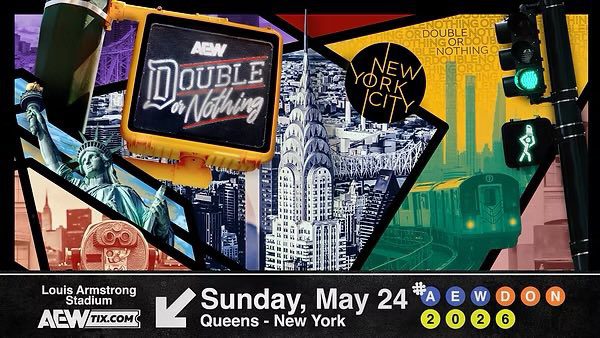
This week's AEW Dynamite and ROH tapings from Maine did exactly that. They locked in the final pieces for Sunday's Double or Nothing card at Louis Armstrong Stadium.
We are three days away. The build is over. Now, we get to the violent geometry of professional wrestling.
Swerve Strickland and Will Ospreay are set to collide. It's the match everyone circled on their calendars the moment the year started.
You don't need a sprawling, melodramatic blood feud to sell this. You just point at the screen and state the facts.
These are two of the absolute best in the world. They are going to hit each other very hard for thirty minutes.
Tactical Breakdown: The Pace of Violence
Let's look at the actual in-ring reality. Ospreay operates at a terrifying clip. His transition speed from defensive posture into offensive strikes is unmatched right now.
He doesn't just hit the OsCutter. He finds angles for it that shouldn't mathematically exist. He will bait you into a lariat, duck the swing, and suddenly you are staring at the stadium lights.
But Strickland isn't a typical opponent. He thrives in the muddy waters of a broken-down match. Swerve doesn't try to out-wrestle you in the traditional sense. He out-survives you.
He absorbs punishment, slows the tempo, and systematically targets a joint. Think back to his matches last year.
He isolates an arm. He isolates a knee. He forces you to work with a flat tire.
The primary question for Sunday is who dictates the opening five minutes. If Ospreay hits the ground running and forces Swerve into a high-speed sprint, Swerve is going to burn out.
Ospreay’s conditioning allows him to maintain a fever pitch long past the 20-minute mark. This is something very few wrestlers alive can manage.
But what if Swerve drags Ospreay into the ropes? What if he uses the barricade to turn it into an ugly street fight?
Ospreay's elite cardio won't matter if his legs are compromised.
Watch the footwork. Ospreay relies on explosive pivoting off his left foot to generate torque for the Hidden Blade.
If Swerve targets that left ankle early, he takes away Ospreay's kill shot. Swerve might stomp it onto the steel steps. He might tie it up in the ring ropes.
It's a simple strategy. But executing it against someone who moves like Ospreay is a waking nightmare.
The Ring of Honor Conundrum
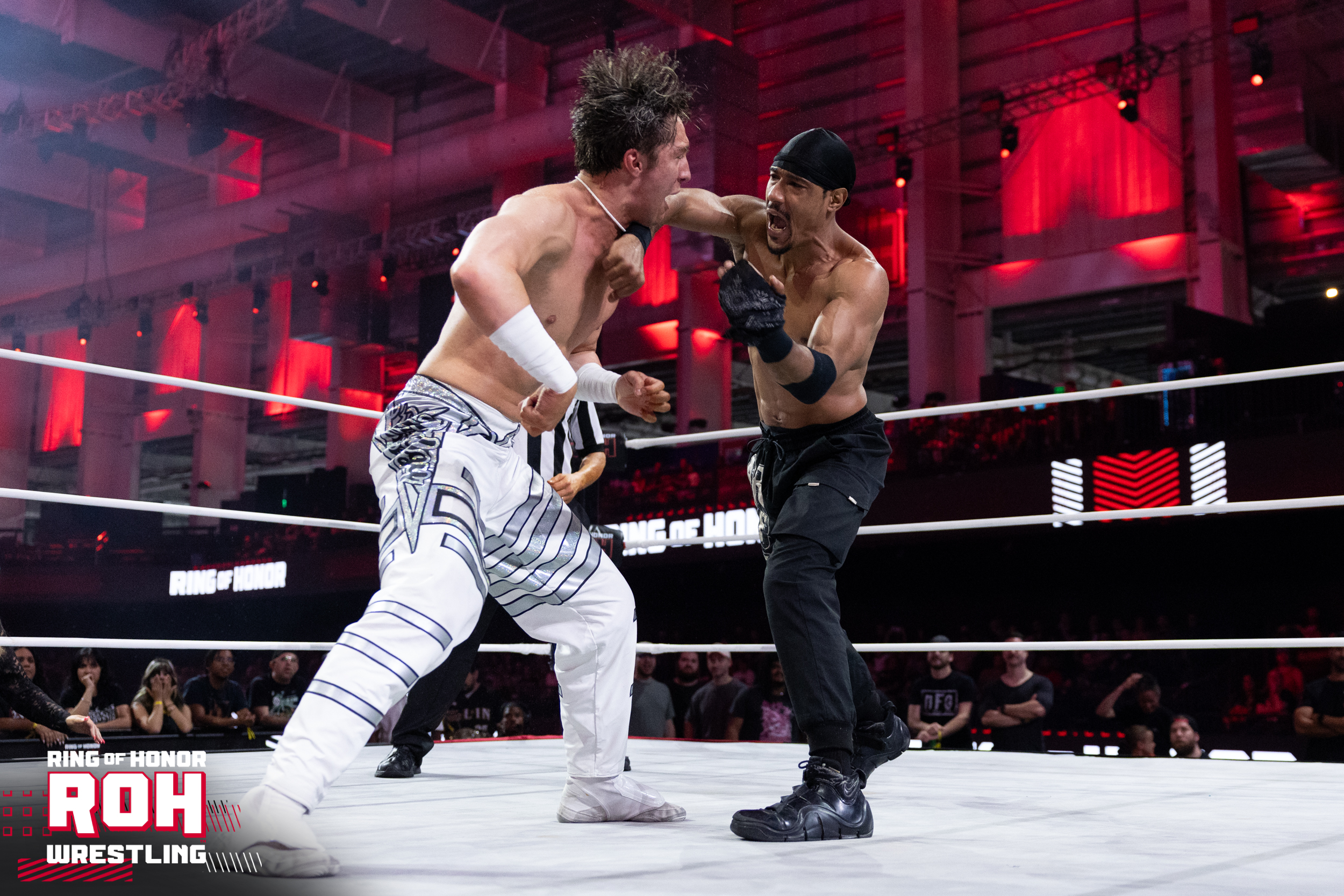
The inclusion of Ring of Honor matches during the Maine tapings highlights a persistent, frustrating problem for Tony Khan’s booking strategy. ROH matches are consistently good. Often, they are excellent.
But they exist in a bizarre vacuum. They are entirely disconnected from the emotional stakes of the flagship program.
This isn't an indictment of the talent. It is an indictment of the presentation. When you tape ROH matches before and after Dynamite, you ask a live audience to sit through five hours of professional wrestling.
By the time the dark matches conclude, exhaustion sets in. As PWInsider outlined in their Maine report, the audience was visibly gassed by the end of the night.
This is a terrifying preview for Double or Nothing.
If AEW pads the pay-per-view with ROH championship defenses that haven't been adequately built, they risk killing the crowd before the main event even begins.
Louis Armstrong Stadium is a massive venue. They have already moved roughly 10,000 tickets for Sunday. Keeping that energy contained and focused requires absolute discipline.
You cannot afford a technical classic that nobody cares about. Every match needs a reason to exist.
The Midcard Squeeze
Let's look at the rest of the Dynamite results from Maine. The midcard feels wildly unfocused. We have an abundance of talented factions, but they are all treading water.
The Blackpool Combat Club is still vicious. Yet, they lack a defined, compelling target. The Elite are doing tremendous corporate villain work, but the payoff matches have felt incredibly hollow.
This is where the absence of a strong, unified narrative hurts AEW. The promotion is phenomenal at delivering matches.
They often struggle to weave those matches together into a cohesive show. Double or Nothing needs to be more than a collection of great bouts.
It needs a spine. It needs a central theme that connects the opening bell to the final sign-off.
Dark Matches and the Forgotten Roster
The dark matches taped in Maine serve as a grim reminder. The AEW locker room is deeply stacked, but television time is scarce.
You have former champions and established veterans wrestling untelevised matches just to stay sharp. It creates a suffocating sense of stagnation.
This isn't just a scheduling issue. It is a fundamental misallocation of resources. You cannot build a sustainable television product if the audience feels like nothing matters outside the main event picture.
The Maine tapings showcased incredibly gifted athletes working in complete silence. They were performing complicated spots for a crowd that was actively checking their phones.
AEW has to fix this structural flaw before it starts infecting the pay-per-view buy rates.
When a wrestler disappears from television for a month and then randomly returns in a dark match, their momentum dies. Fans notice this immediately.
They notice when a push is abruptly halted without explanation. AEW has to do a better job of rotating talent organically.
Throwing people in the freezer when you run out of ideas is a terrible management strategy.
The Danger of the Unannounced Return
Tony Khan is walking a tightrope. The promotion has leaned heavily on surprise appearances lately, almost to a fault.
The go-home show didn't give us any massive shock debuts. That was a massive relief. We don't need a distraction here. We just need the bell to ring.
But the temptation is always there. Double or Nothing is AEW's flagship event. The urge to pop the crowd with a sudden music cue is incredibly strong.
Relying on the cheap sugar high of a debut undercuts the actual wrestling.
They often substitute a surprise for a story. If someone runs down the ramp after the main event to stare down the winner, it instantly deflates the victory.
The winner deserves their moment in the sun. They should hold the championship high, rather than immediately playing second fiddle to a returning star.
The Mid-Match Pivot
Let's talk about the counter-wrestling. Swerve has an uncanny ability to turn his opponent's momentum into blunt-force trauma.
The House Call kick isn't just an offensive weapon. It is a defensive safety valve. When Ospreay goes for the Stormbreaker, there is a tiny window where he has to shift his grip.
Swerve knows this. He has been scouting it.
Expect Swerve to sandbag the lift. He will drop his center of gravity, force Ospreay to strain his lower back, and then unleash the House Call straight to the temple.
It is a sequence that has finished off a dozen wrestlers over the past year.
Ospreay is going to have to find a way to trap Swerve's arms before attempting the lift. He might transition from a straight-jacket hold. He might catch Swerve on a rebound.
This tactical chess match makes professional wrestling a joy to watch when done right. It's not just about hitting moves. It's about denying your opponent their preferred offensive pathways.
What to Watch For
Keep your eyes on the referee. In matches of this magnitude, the official often gives the combatants far too much leeway.
If they spill to the outside early, watch how long the count takes. Swerve will absolutely try to bend the rules. He will rake the eyes away from the official's view.
He will use the ring bell as a weapon of opportunity. Ospreay has to maintain his composure. The moment he gets dragged into a dirty fight, he loses his statistical advantage.
Pay attention to the announce desk as well. Excalibur, Taz, and Tony Schiavone have a difficult job on Sunday.
They need to guide the audience through the technical nuances without talking over the physical story. When Ospreay hits that extra gear, the commentary needs to lay out and let the crowd noise carry the broadcast.
Too often, they try to fill dead air when the silence is actually the point.
The pacing of the undercard will also dictate the temperature of the main event. If we get three straight matches that go long, the audience will experience burnout.
Pacing a show is an art form. You need a fast, breathless sprint to open. You need a cool-down match in the middle. You need a slow-burn narrative to close.
The dark matches filmed in Maine suggested AEW understands this, but executing it on live television is another matter entirely.
The Final Prediction
Ospreay wants to sprint. Swerve wants to suffocate. This is going to come down to a single mistake in the final five minutes.
Ospreay has a tendency to get careless when he gets frustrated. He will go for a high-risk maneuver when a simple strike would do the job.
I'm calling the upset. Swerve Strickland is going to absorb twenty minutes of the best offense Will Ospreay has.
He will catch him on the top rope, and drive him into the mat. Swerve wins cleanly, resetting the hierarchy of AEW heading into the summer.
He takes the victory at the 28-minute mark, walking out of Louis Armstrong Stadium with his head held high.
Read Next