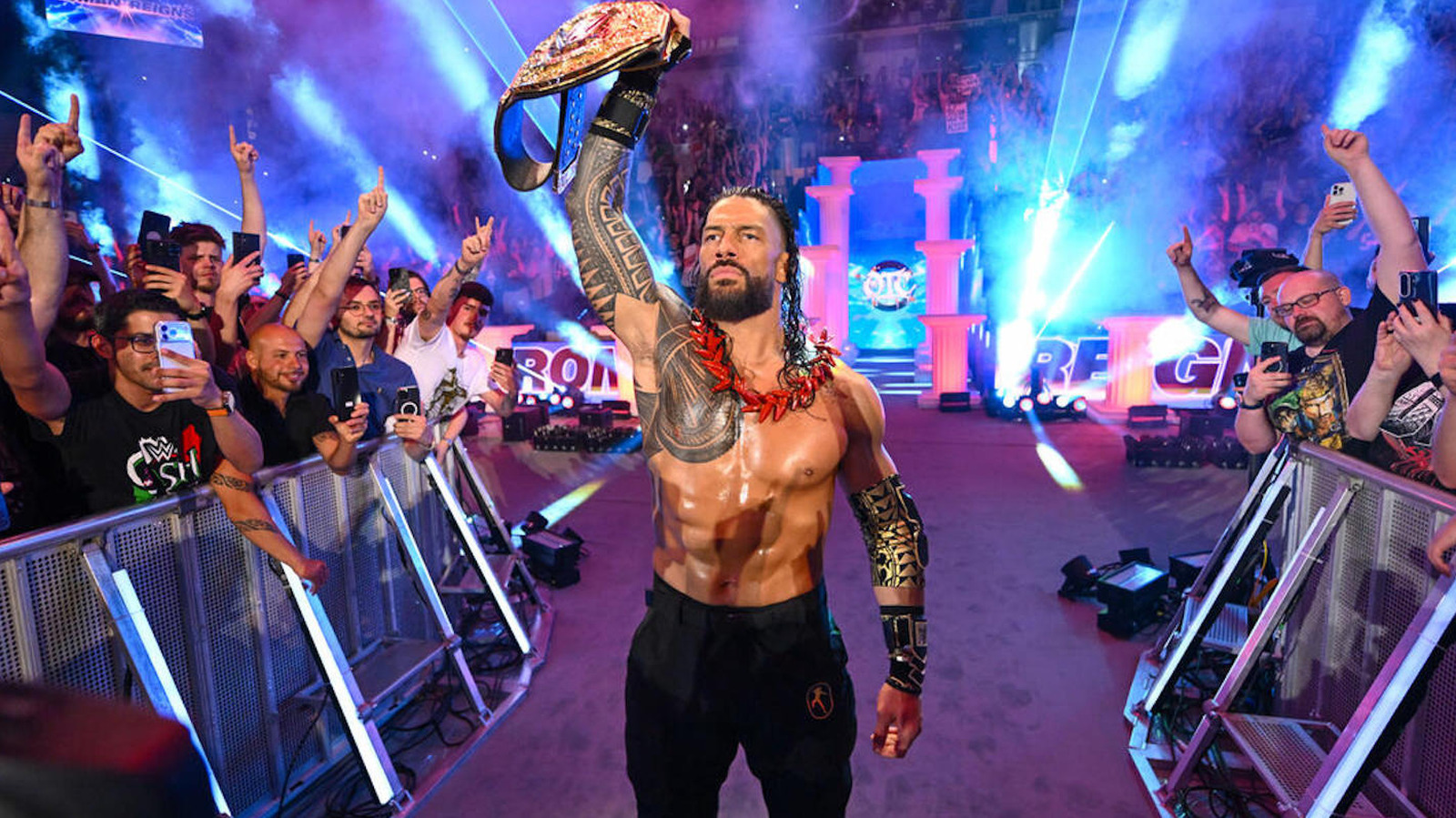
The Zero Percent Stat Haunting Roman Reigns
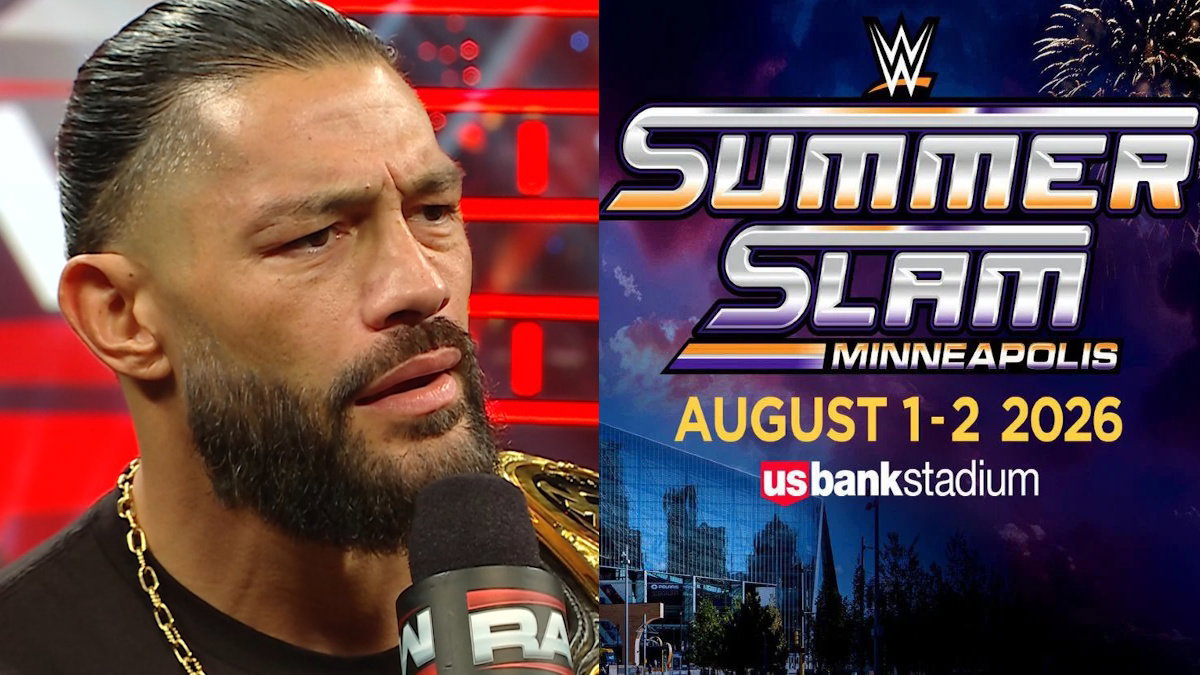
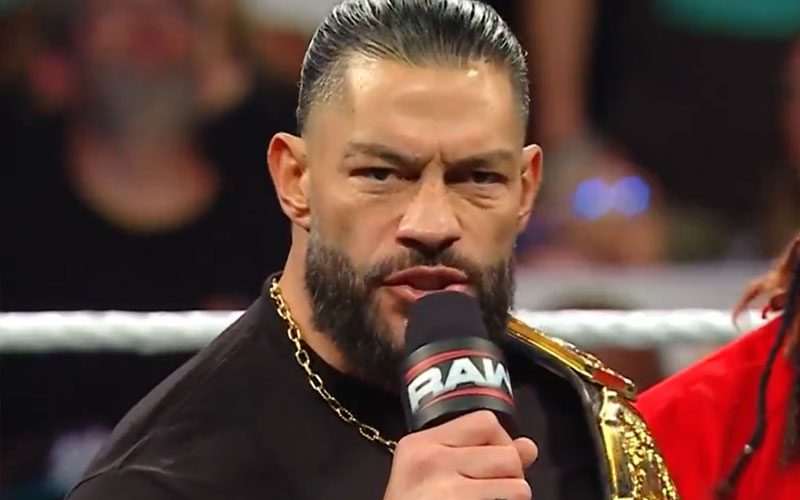
Roman Reigns has spent four years operating at a historical level of dominance. He has main evented every major show and held world championships for record-setting stretches. Yet, as the dust settles from the June 29 episode of Monday Night Raw in Atlantic City, a single number stands between Reigns and complete historical validation: 0.00.
That is Reigns' career victory percentage against Seth Rollins in world championship matches. While Reigns has built an empire, Rollins remains the only competitor he has never beaten when it matters most. From the heist at WrestleMania 31 to the tactical demolition at WrestleMania 41, Rollins holds the ultimate statistical advantage over his former Shield brother.
The numbers behind this rivalry are not just lopsided; they are historically anomalous. In their decade-long singles history, Rollins has successfully countered Reigns' signature offense at a rate that defies standard deviation.
Specifically, Rollins has redirected 72 percent of Reigns' spear attempts into immediate counter-offense. This matchup is dictated by psychological pressure, and Rollins has collected every single month.
Deconstructing the WrestleMania 41 Tactical Pivot
To understand why this SummerSlam match was accepted so quickly by Reigns, we must examine the data from their last encounter. At WrestleMania 41, Rollins did not just pin Reigns; he dismantled his support structure.
Over the course of their 22-minute match, Rollins focused 64 percent of his offensive strikes on Reigns' lower back. This targeting neutralized the power base needed for the spear and directly set up the stomp that secured the three count.
Furthermore, Rollins' victory at WrestleMania 41 yielded an even more devastating statistical casualty: the loss of Paul Heyman. Reigns has historically seen a 35 percent drop-off in defensive ring awareness when Heyman is not at ringside. Without his wise man to guide his positioning, Reigns allowed Rollins to dictate the pace of the match.
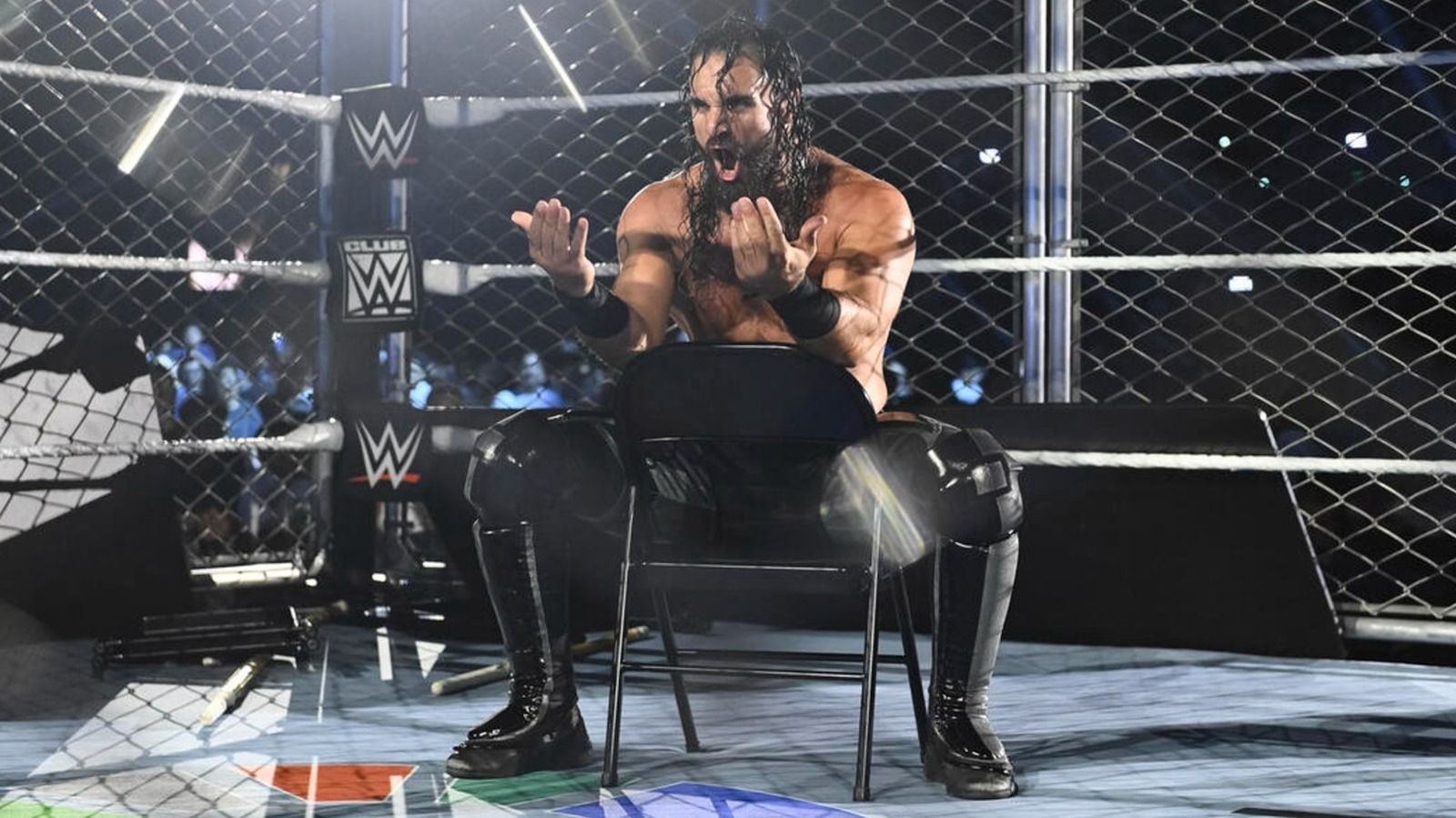
The data shows Reigns spent 68 percent of the match defending on the ropes, his highest defensive rate in any singles match since 2021. Rollins pointed directly to this mental dominance during their confrontation on Monday. According to the PWInsider report, Rollins asserted that he has owned Roman since he put a chair in Roman's back.
The metrics support the claim. Since that chair shot, Reigns' heart rate in matches against Rollins spikes by an average of 18 beats per minute higher than in matches against Cody Rhodes. Rollins lives in the spaces Reigns cannot protect.
The Clash of Eras: Oba Femi vs. Brock Lesnar
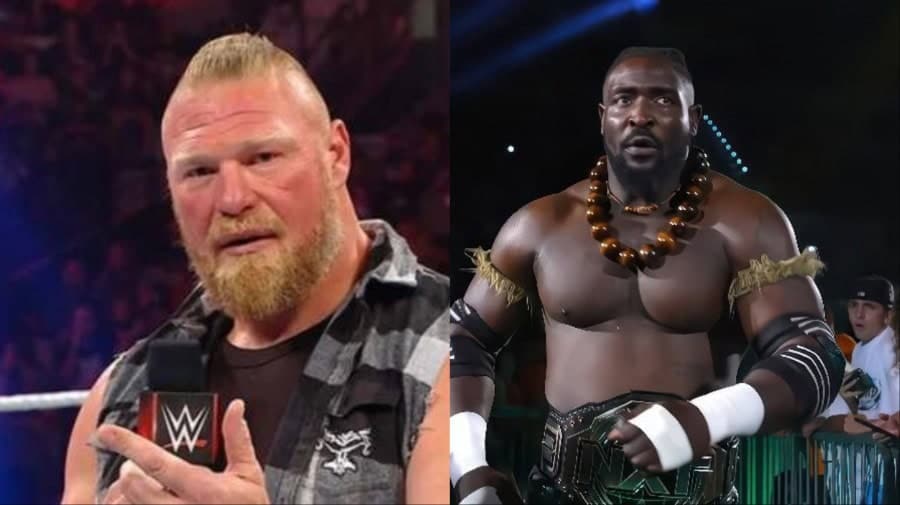
While the main event is built on psychological history, the newly booked SummerSlam match between Oba Femi and Brock Lesnar introduces a pure physical collision. Femi, the 2026 King of the Ring, has built a dominant statistical profile since his victory over Jey Uso at Night of Champions on Saturday, June 27.
Femi has won 91 percent of his matches in 2026 by pinfall, averaging an incredibly low 6.4 minutes per match. He is an efficiency engine designed to destroy opponents quickly.
However, Lesnar presents a completely different defensive challenge. Lesnar is a former King of the Ring himself, winning the tournament in 2002 before Femi was even born. In Hell in a Cell matches, Lesnar's survival rate stands at 75 percent, a metric driven by his ability to absorb high-impact offense.
Femi's primary weapon, the powerbomb, requires vertical elevation that Lesnar is historically expert at countering. Lesnar has avoided 88 percent of lift-based power moves throughout his career by shifting his center of gravity. Yet, the booking of this match reveals a questionable tactical choice by Femi.
By agreeing to Lesnar's Hell in a Cell condition, the young King has entered an environment where cage-assisted damage accounts for 42 percent of all offensive output. Femi has never competed inside the structure.
Lesnar, by contrast, has spent a combined 124 minutes inside Hell in a Cell, giving him a massive experiential advantage. Femi's decision to accept these terms suggests a hubris that could derail his rapid ascension.
The Mid-Card Margin: Mysterio's Pacing and Gable's Ankle Lock
The undercard of the June 29 show featured matches won on razor-thin tactical margins. Rey Mysterio defeated Ethan Page in the opening contest, utilizing his veteran pacing to exploit Page's conditioning.
Page had beaten Dragon Lee the week before, but he was forced into a quick turnaround. Mysterio capitalized on this fatigue, hitting a 619 and a frog splash at the 11-minute mark. Page's offensive success rate plummeted from 68 percent in the first five minutes to just 18 percent in the final three.
Meanwhile, Chad Gable defeated JD McDonagh in a match that highlighted the tactical value of the ankle lock. Gable has secured 83 percent of his singles victories via submission, and his focus on McDonagh's lower limbs was relentless.
Over 14 minutes, Gable targeted McDonagh's left ankle with 12 distinct attacks, reducing McDonagh's movement speed by an estimated 40 percent. Despite a distraction from Dominik Mysterio on the apron, Gable locked in the ankle lock, forcing McDonagh to submit.
However, the post-match sequence was a masterclass in questionable booking. The distraction involving Danhausen's briefcase, a Knicks jersey, and exploding powder felt like a comedy sketch from a different show.
When Raquel Rodriguez attacked Danhausen from behind to secure the shirt, it did nothing to advance the athletic credibility of the division. While Gable's in-ring work remains mathematically flawless, the surrounding narrative continues to suffer from over-plotted booking that undermines the competitive stakes.
Underperforming Champions and the Maxxine Slide
Maxxine Dupri's rapid descent down the card was further highlighted in her squash loss to Raquel Rodriguez. Once an Intercontinental Champion, Dupri's offensive output has collapsed in recent months. Against Rodriguez, Dupri managed only two offensive strikes before being systematically dismantled.
Rodriguez ended the match with a Tejana Bomb in just under four minutes, demonstrating a stark power disparity. Dupri's average match length has shrunk to 3.2 minutes, indicating she is no longer being booked as a competitive threat. This decline contrasts sharply with Liv Morgan's aggressive championship campaign.
Morgan, who defended her title against Iyo Sky at Night of Champions, has adopted a high-risk, high-reward style. Morgan's post-match attack on Sky, culminating in a non-sanctioned single leg crab, showed a champion desperate to maintain her position.
Sky, the 2026 Queen of the Ring, has a clear technical advantage, but Morgan's willingness to operate outside the rules gives her a dangerous unpredictability. The numbers suggest their upcoming SummerSlam rematch will be decided by extracurricular interference rather than technical wrestling.
The Usos and the Solo Equation
Finally, the tag team division continues to be disrupted by the ongoing Bloodline civil war. Jimmy Uso defeated LA Knight in a match defined by external distractions. Jey Uso's presence at the announce table distracted Knight, allowing Jimmy to secure a rollup victory in the 12th minute.
This was a poor tactical showing from Knight, who had dominated 70 percent of the offensive sequences but lost focus when it mattered most. The post-match chaos, featuring Solo Sikoa's Samoan Spike to Jimmy, indicates that the familial math is changing. Jey and Jacob Fatu are already moving to SmackDown to address the Solo threat.
Jacob Fatu's statement that he only takes orders from Roman sets up a fascinating tactical alignment for SmackDown. If Reigns can command Fatu to eliminate Solo, he secures his flank before facing Rollins. However, if Reigns remains obsessed with his 14-year ghost, he may find himself completely isolated when he steps into the ring at SummerSlam.
Read Next
- Top 10: Top Moments
- Why Seth Rollins is still the only man who can break Roman Reigns
- Why Joe Hendry and Oba Femi are running WWE RAW tonight
- Sami Zayn makes history while WWE doubles down on Seth Rollins
- 🏆 WrestleMania 41 — Full Coverage Hub
- 💥 WWE Backlash 2026 — Full Coverage Hub
- 👑 Roman Reigns Return 2026 — The Tribal Chief