The Dilution of the Forbidden Door
The original charm of Forbidden Door was its structural simplicity. In 2022, the concept was straightforward: the elite of AEW clashing with the heavy hitters of New Japan Pro-Wrestling. By the time the 2026 iteration wrapped up last weekend, that focused structure had dissolved into a multi-promotional carnival. It was messy.
The inclusion of CMLL and STARDOM did not refine the product; it bloated it. We saw a card stuffed with multi-man tag team matches that felt less like historic collisions and more like logistical obligations. The booking became frantic, trying to balance political interests from Tokyo to Mexico City. When a show tries to represent everything, it runs the risk of standing for nothing. The numbers do not lie.
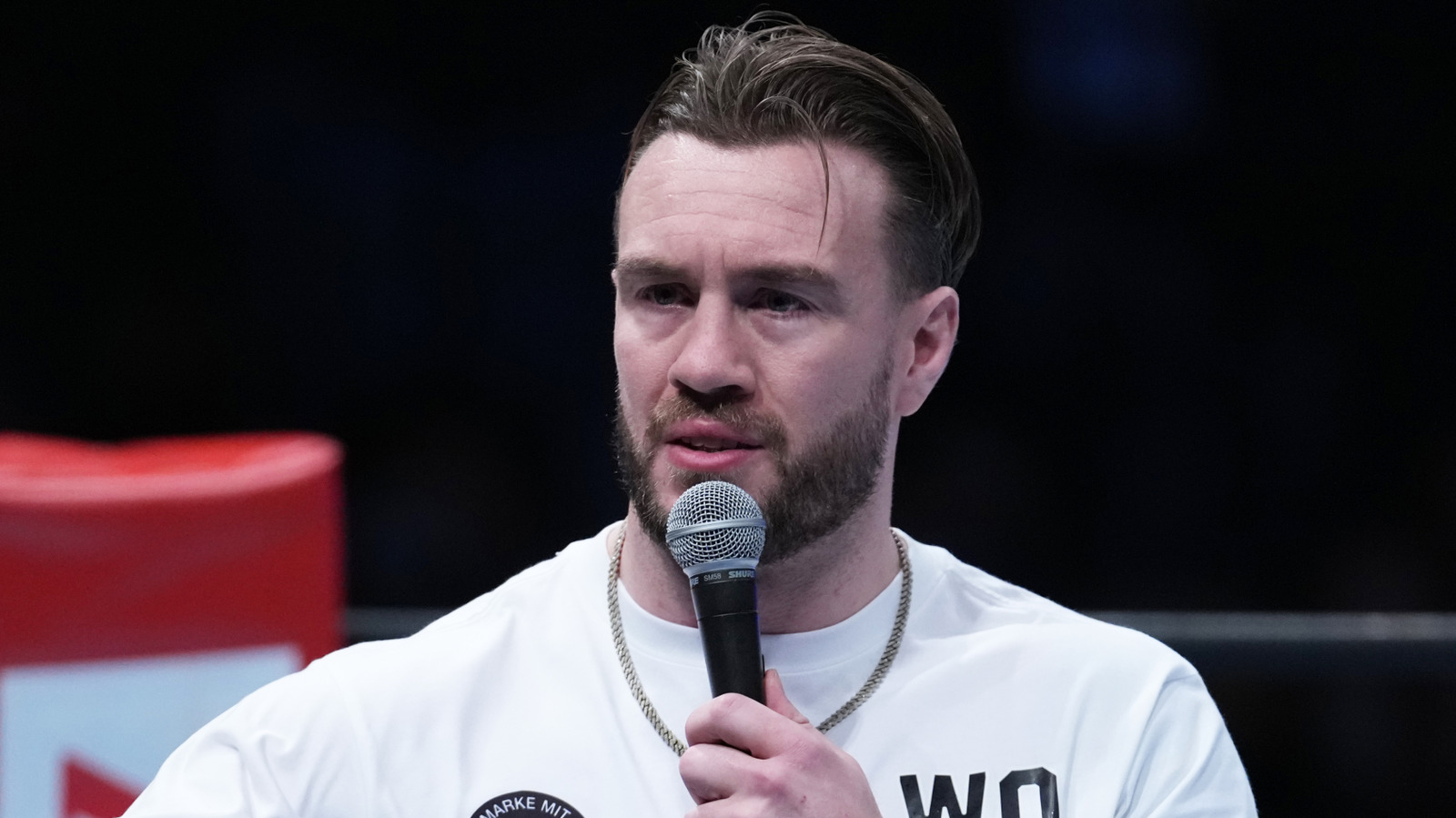
This is the environment in which Will Ospreay has floated his latest proposal. Speaking recently on "107.7 The Bone", the newly crowned Owen Hart Cup winner argued for the inclusion of the European independent scene, specifically Revolution Pro Wrestling. Ospreay has never forgotten his roots, but his romantic view of British wrestling ignores the cold reality of AEW's talent acquisition strategy.
Ospreay's Wembley Momentum and the British Connection
Ospreay's voice carries immense weight right now. His victory over Swerve Strickland last weekend guarantees him an AEW World Championship match at Wembley Stadium in August 2026. He is the centerpiece of the promotion's international expansion, and his ties to RevPro promoter Andy Quildan are well-documented.
Tony Khan himself was in attendance for Ospreay's final indie appearances in London, recognizing the raw talent brewing in York Hall. Adding RevPro to the Forbidden Door umbrella makes sense from a geographic standpoint. AEW needs a feeder system to keep its UK audience engaged between major stadium shows.
RevPro has spent a decade acting as the unofficial developmental territory for both New Japan and the American majors. It is a promotion that builds stars, only to watch them fly across the Atlantic once they reach peak value. As Wrestling Inc. transcribed, Ospreay sees this potential partnership as a way to nurture the UK scene:
I would love to stretch it out to Europe and obviously have Revolution Pro Wrestling, a part of that which was my stay in British wrestling. Tony saw my last match there and I know he has a wonderful relationship with Andy and I think obviously that would be such a good relationship to have and to help nurture Rev Pro and lend them more talents.
This is a noble sentiment, but it overlooks the historical precedent of AEW's partnerships. The pipeline only flows one way. When Tony Khan partners with a promotion, he doesn't just borrow talent; he eventually buys it. NJPW has lost its top draws to Khan's checkbook, leaving the Japanese promotion struggling to rebuild its main event scene.
The Stylistic Clash: York Hall Grappling Meets Cable TV
From a purely tactical perspective, the integration of RevPro would introduce a style that AEW currently lacks. While AEW features elements of high-flying lucha libre and Japanese strong style, it lacks the gritty, physical grappling that defines modern British wrestling. This is a style built on body mechanics, joint locks, and sudden, explosive strikes, honed in front of hot, compact crowds in London. The mechanical focus is on breaking down an opponent piece by piece rather than trading high-impact maneuvers in rapid succession.
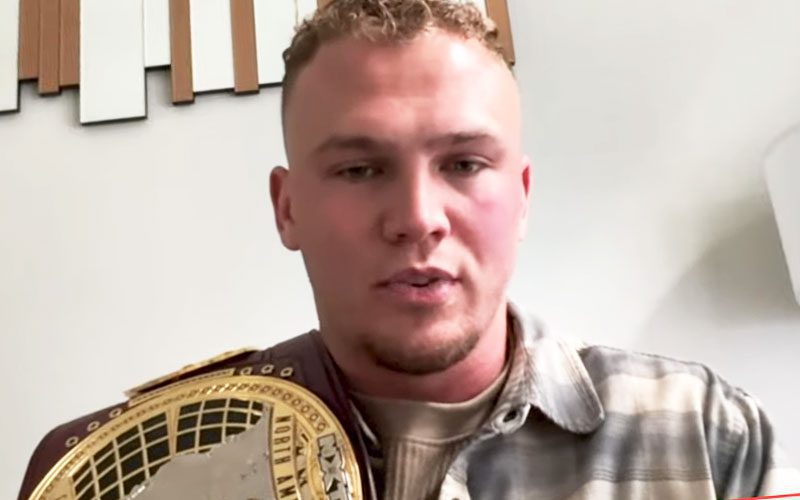
Take Michael Oku, the current flag-bearer for RevPro. Oku's matches are built on a classic babyface framework: taking a beating, working the crowd, and executing a sudden transition into his signature half-boston crab. In a ring with a technical master like Daniel Garcia or Zack Sabre Jr., Oku's style offers a pacing that feels grounded. It forces the opponent to slow down, making every hold and counter-hold register with the audience.
It is a refreshing contrast to the modern spot-fest, where wrestlers trade Canadian Destroyers for two-counts at the ten-minute mark. However, translating this style to a major pay-per-view is a significant hurdle. American television production demands high spots and fast pacing to keep a fickle audience engaged.
The slow, methodical build of a British catch-as-can match can get lost in a massive NHL arena. If the RevPro talent is forced to speed up their work to fit the AEW television mold, their unique appeal will be lost in translation.
Designing the Matchups
Despite the production challenges, the business logic pointing toward this expansion is undeniable. I predict that AEW will officially announce Revolution Pro Wrestling as a participating promotion for Forbidden Door in June 2027. This will not be a massive takeover, but rather a targeted integration designed to highlight two or three key European standouts.
The centerpiece of this integration will be a singles showcase match between Michael Oku and Orange Cassidy. This match offers a perfect stylistic contrast, clashing Cassidy's laid-back, hands-in-pocket defense with Oku's intense, traditional grappling. We will see Oku counter a Beach Break into a single-leg takedown, transitioning directly into the half-boston crab at the twelve-minute mark. Cassidy will scramble for the ropes, eventually hitting an Orange Punch for the pinfall after a highly competitive fifteen minutes.
We will also see a multi-man tag match on the Zero Hour pre-show. A team of RevPro young lions, led by someone like Ricky Knight Jr., will face a contingent of AEW's ROH roster. This match will run at a breakneck pace, featuring a series of dive sequences and apron bumps designed to pop the early crowd. It will serve as the perfect showcase for the athletic depth of the British indie scene.
The Cost of Admission for British Wrestling
While this partnership will provide a massive platform for RevPro, it comes with a high price. The British independent scene is still recovering from the WWE NXT UK era, which decimated the local talent pool. A formal alliance with AEW will make RevPro's top stars visible to a global audience, accelerating their departure. Within six months of the 2027 event, AEW will sign RevPro's top two prospects, leaving Andy Quildan to rebuild his roster once again. Exposure does not pay the rent.
This is the paradox of modern wrestling partnerships. To gain exposure, independent promotions must feed the majors. It is a survival strategy, but one that ensures they remain subordinate. Will Ospreay's dream of nurturing his old home will likely end with that home being cleared of its best talent.
Ultimately, the inclusion of RevPro is a smart booking decision for a show that needs a fresh hook. It brings a distinct wrestling style and a passionate fanbase. But for the UK indie scene, it is a dangerous game that could leave them poorer in the long run.