When Heyman told the brutal truth to Cactus Jack
The night Foley stopped being a god
Look back twenty years to the WWE Raw from May 22, 2006. It was a bizarre, sweaty, uncomfortable fever dream that defined the mid-2000s era of WWE. We watched Paul Heyman sit there, dressed like he was ready to file for bankruptcy, and stare straight into the soul of Mick Foley. He asked him the question that still stings to hear today: what does it feel like to look in the mirror and see a shell of your former self?
Most managers act like glorified cheerleaders carrying a clipboard. Heyman was the only guy in the building who could turn a standard promo segment into a psychological exorcism. He didn't just mention the hardcore legend status to pop the crowd. He used it like a blade to dissect a man who had already spilled enough blood for three generations of wrestlers. It was the kind of television that made you turn down the volume just in case someone in the other room heard the verbal abuse.
The evolution of ECW into a dark comedy
The 2006 context matters because WWE was running a weird experiment. They were trying to revive ECW as a third brand, and the booking felt like a frantic attempt to capture lightning in a bottle using a leaky bucket. Foley was the bridge between the old-school deathmatch chaos the fans craved and the sanitized, corporate machinery Vince McMahon insisted on. Placing them in a ring together highlighted the friction between art and commerce.
Heyman knew exactly where the line was, and he skipped rope on it. By questioning Foley’s relevance, he validated the anxieties of every fan who knew the Attitude Era wasn't coming back. It was a meta-commentary on aging in the ring. You see guys today trying to perform the same spots they invented twenty years ago, and you realize Heyman was right all along. Some legends don't leave the party on time, and the audience ends up watching a slow, painful deterioration instead of a glorious retirement lap.
The cost of being a legend
Let's not act like Foley didn't deserve better. The guy took chair shots to the head that would shatter a modern football helmet. But in May 2006, the promotion forced him into this role where he had to be the object of ridicule to elevate whatever new project they had on the roster, like the ECW revival. It felt like watching a beloved local tavern get turned into a sanitized sports bar.
Heyman played the role of the hitman perfectly. He took the most beloved character in the history of the company—the man who once won the World Title in a half-empty arena on a tape-delayed broadcast—and painted him as a relic. It worked because it was half-true. Foley was a shell, not because he lacked heart, but because his body had been emptied out by two decades of thumbtacks and concrete floors. The industry treats its icons like disposable batteries, and this segment was the definitive example of that cycle.
Reflecting on a weird, wild era
Does it hold up? Yes, but not for the reasons WWE expected back then. Watching old reports like the ones Wade Keller posted during that week gives you a sense of just how volatile the writing room truly was. They were throwing ideas at the wall, hoping the Raw ratings would magically spike, all while gaslighting the fans who remembered the better days in Philadelphia or the arena in Tokyo. It wasn't just about the words spoken; it was about the admission that the company had changed.
The current product feels safer now, perhaps too safe at times. Yet, you look back at that 2006 episode and realize the fans were being fed a diet of irony and deconstruction. You wanted to see someone take a bump; instead, you got a therapy session hosted by a man who seemingly hated the person he was talking to. It remains a hallmark moment for how to turn a microphone into a weapon. We have seen plenty of great promos since, but very few that feel quite as raw or unnecessary as that one.
The business thrives on these moments of blurred reality. Maybe we should stop pretending that the legends we love are immune to time. Foley didn't lose his legend status by aging, but he did lose the ability to compete on the terms he set for himself. Heyman didn't just win that argument; he marked the official funeral for the hardcore style of the late nineties. The 5 minutes of airtime they shared managed to summarize exactly why that transition from the attitude era to the mid-aughts felt so hollow for the long-term fans.
WWE Championship Mini Replica Belt
Feel like the champion with this detailed 12-inch replica of the Undisputed Titl
Frequently Asked Questions
What happened during the May 22, 2006 episode of WWE Raw?
Why did Paul Heyman insult Mick Foley in 2006?
What was the purpose of the 2006 ECW brand revival?
How did the promo reflect Mick Foley's career physical toll?
What was the broader message of the Heyman and Foley confrontation?
More Coverage
Top 10: The Definitive Ranking of Modern WWE Moments
4 hours ago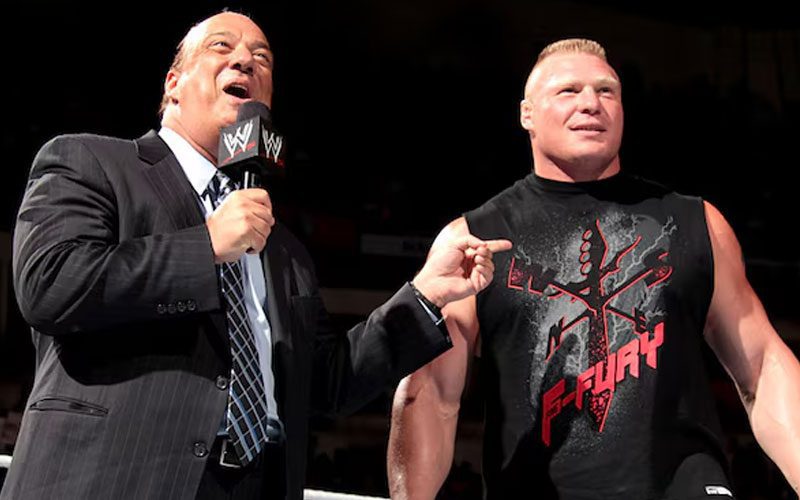
Paul Heyman is lying to himself and that's okay
5 hours ago
Medical Update: The chronic toll of high-impact wrestling on legacy stars
5 hours agoCreative stagnation is the real threat to Friday nights
14 hours ago
Blake Monroe's arrival adds a much-needed jolt to SmackDown
15 hours agoSmackDown is stuck in a loop of predictable booking
15 hours agoMore Analysis
Top 10 High-Stakes Wrestling Moments of the Modern Era
2 hours ago
Josh Hokit doubles down on controversial remarks despite Dana White's critique
2 hours ago
AEW and TNA are on collision courses with different destinations
2 hours ago
AEW Dynamite faces a critical hurdle before Forbidden Door
2 hours ago
Top 10: The Definitive Ranking of Modern WWE Moments
4 hours ago