Pull Up a Barstool and Let’s Talk About the Bro Manifesto
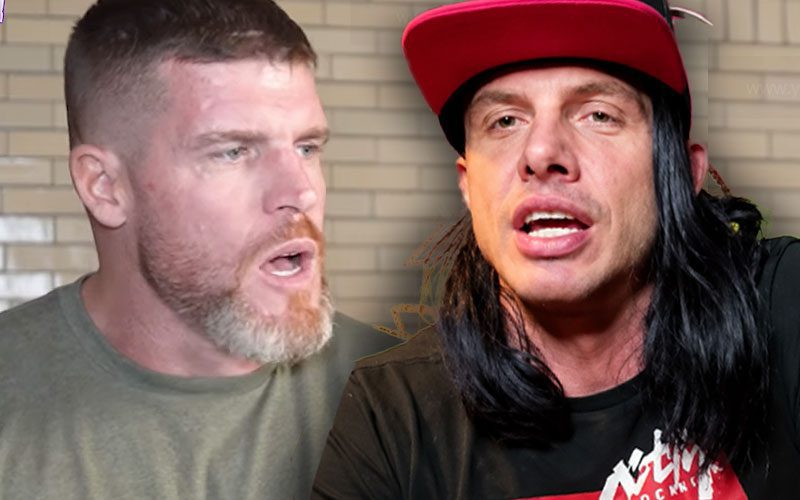
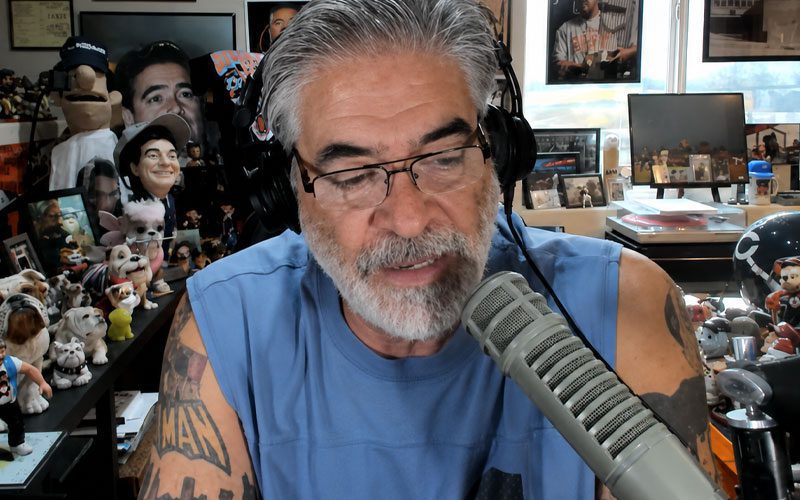
Slide into the booth, grab a basket of wings, and let’s talk about Vince Russo. The king of crash TV is back in the spotlight, hawking a new book and chatting with Violent Jay of the Insane Clown Posse. It is the most bizarre crossover of 2026, yet here we are.
Russo laid out his latest theory during a YouTube live stream for his new book, Total Non-Stop Agony: The Rise and Fall of TNA. As first reported by Ringside News, the conversation took a weird turn when Violent Jay asked Russo to critique Juggalo Championship Wrestling. Violent Jay wanted two strengths and two weaknesses of JCW.
Russo praised the ICP frontman's creative mind. He called the product unique and different from anything else in the wrestling world. But then he dropped a truth bomb about JCW's biggest mountain to climb.
JCW is fighting a losing battle against the graveyard of wrestling fandom. They are trying to win back fans who walked away from the business decades ago. According to Russo, the wrestling industry has taken so much damage over the years that getting lapsed fans to even give a new product a chance is nearly impossible.
The Monday Night Math That Doesn't Quite Add Up
Let’s look at the numbers Russo throws out. He claims that back in the late nineties, Monday night wrestling drew a massive combined audience. Between WWE and WCW, about 10 million people tuned in every single week.
Fast forward to the present day in 2026. Russo points out that WWE Raw on Netflix draws roughly 1.5 million viewers worldwide over the course of a week.
According to his math, that means there are 8.5 million people who used to watch wrestling but now do something else. They did not just stop watching WWE; they stopped watching the entire sport.
“The biggest weakness is guys and again I got into it before trying to figure out because of the damage that has been done over the years trying to figure out how to bring people back to wrestling. And Violent Jay has said it himself in numerous um interviews.”
Russo's diagnosis is classic Russo. He believes these fans walked away because the business got obsessed with in-ring action at the expense of characters and storylines.
He thinks the modern product is too focused on athletic exhibitions. Russo complained on the stream that matches are fake and that fans need a reason to care about the people fighting.
In his mind, those missing millions left because there are no longer cliffhangers to hook them. They do not want twenty-minute clinics; they want soap opera drama.
There is some truth to the idea that casual fans miss the larger-than-life characters of the Attitude Era. You cannot replace the charisma of Stone Cold Steve Austin or The Rock with athletic workrate.
But comparing cable ratings from 1999 to streaming numbers on Netflix in 2026 is a fool's errand. The entire entertainment world has fractured into a million pieces since the turn of the century.
Back then, you had limited TV channels and no smartphones. Today, WWE competes with TikTok, video games, and every streaming service on earth. Raw is drawing fewer raw viewers, but it is generating more revenue than ever before.
The "Just Check It Out" Carny Pitch
Violent Jay and Russo think JCW can tap into that pool of lapsed fans. The pitch they are making is simple and low-pressure.
They are not begging anyone to watch. They just want fans to give it a single chance.
“Bro, all we’re asking you to do is check it out. Just check it out. If we hook you, we hook you. If we don’t, then we didn’t do our job. We’re not begging you to watch the show. We’re We’re asking you to check it out.”
If JCW hooks you, they hook you. If they do not, then they admit they did not do their job. It is a classic carny sales pitch.
JCW has always operated on its own terms. Founded in 1999, the promotion has spent decades catering to the Juggalo subculture with Faygo-soaked brawls and comedy segments.
They have featured legendary names like Sabu, Mad Man Pondo, and even The Great Muta over the years. It is a wild, raw show that feels completely separate from corporate wrestling.
But can that unique brand of chaos appeal to a casual fan who stopped watching in 2001? It seems highly unlikely.
Once a fan stops watching wrestling, their routine changes. The Monday night slot gets replaced by football, video games, or spending time with family.
Breaking that new routine is the hardest part of the entertainment business. You are not just competing with WWE; you are competing with everything else the fan does to relax.
When the Clown Car Hits the Brick Wall of Reality
Let’s talk about the messenger here. Vince Russo is the man who booked a Viagra on a pole match in WCW. He is the man who put the WCW World Title on himself and David Arquette, effectively killing the promotion's credibility.
Listening to Russo explain how to save professional wrestling is like taking driving lessons from someone who just crashed a monster truck into a Wendy's. His track record is full of short-term ratings spikes followed by absolute financial ruin.
His run in TNA was defined by booking decisions that frustrated fans. For every great story, there was a reverse battle royal or a nonsensical heel turn that made fans throw their hands up.
Russo's book, Total Non-Stop Agony: The Rise and Fall of TNA, is essentially a post-mortem on how TNA tried and failed to catch WWE. They signed every major name from Hulk Hogan to Ric Flair, yet they never grew beyond their core fan base. The same mistakes Russo made in TNA are the ones he is diagnosing today.
If you look at JCW’s booking, it is basically TNA's Asylum era mixed with a backyard circus. You have matches featuring light tubes, thumbtacks, and the occasional stapler. It is a spectacle that works at a summer festival, but you cannot run weekly television with it.
The core issue is that Russo's concept of wrestling is stuck in a time capsule. He thinks it is still October 1999 and the only thing that matters is getting a shock rating on cable. He ignores that WWE is now a global corporate powerhouse valued in the billions.
Modern fans do not want Russo's signature tropes anymore. They do not want to see a championship decided by who can climb a ladder to grab a photograph of someone's mom. Here is what you actually get when you book a show Russo-style:
- Title matches that end in a referee bump, a heel turn, and a run-in by a guy who isn't even under contract.
- Matches where the championship is suspended above the ring next to a bucket of fried chicken.
- Promos where wrestlers break character to tell the audience that the script they were handed makes no sense.
This kind of writing worked when people were watching Jerry Springer and wearing cargo pants. Today, it just looks cheap and desperate. If JCW wants to survive, they need to ignore the advice of a guy who hasn't booked a successful show in twenty-five years.
Now Russo is analyzing JCW, a promotion where wrestlers hit each other with light tubes for amusement. It is great for what it is, but it has a very clear ceiling.
The idea that casual fans who miss the Attitude Era will flock to watch independent wrestlers in clown makeup perform deathmatches is laughable. It is a niche product for a niche audience.
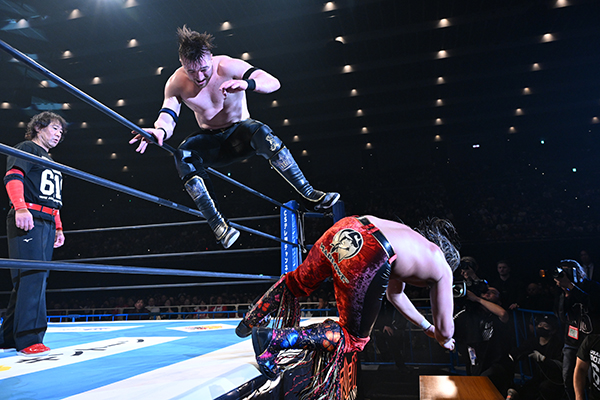
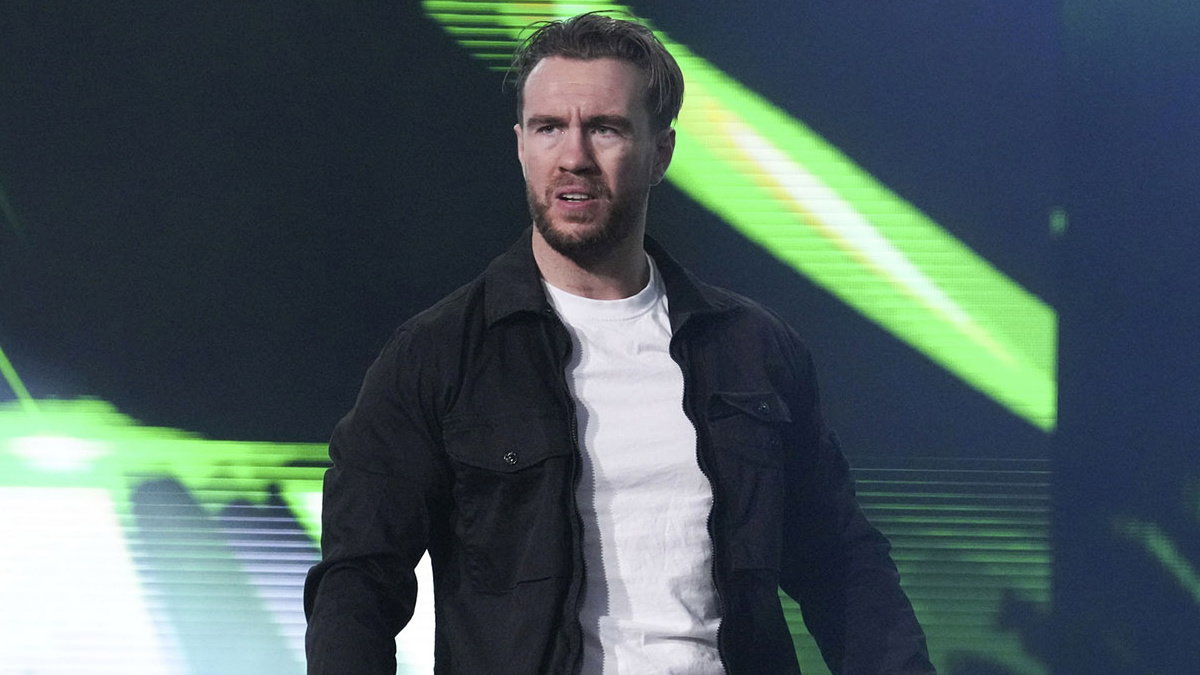
Modern fans who want athletic matches have plenty of options. They can watch Gunther chop opponents into dust on SmackDown or watch Will Ospreay fly through the air in AEW.
Russo hates this style, but it is what keeps the core audience paying for tickets. The fans who remain are dedicated, and they want to see great athletic contests.
If you try to book a show in 2026 using Russo's 1999 playbook, you will fail. The audience has smartened up to the business, and they expect a certain level of in-ring quality.
JCW's strengths are its passion and its unique atmosphere. The shows at the Gathering of the Juggalos are legendary for their high-energy crowds.
But its weaknesses are obvious. The production values are low, the wrestling can be sloppy, and the overall aesthetic is polarizing.
Trying to market JCW to the general public as the savior of professional wrestling is a waste of time. It is a cult classic, not a blockbuster movie.
Russo is right that wrestling needs better stories and characters. WWE has found success recently by focusing on long-term storylines like the Bloodline.
The Bloodline story did not need crash TV gimmicks to work. It succeeded because it had compelling drama and logical character development.
Russo's style of crash TV relied on constant shock value. Once the shock wears off, you are left with nothing but empty matches and confused fans.
Modern wrestling has moved past that era. The Netflix deal shows that WWE is viewed as a premium entertainment property, not a trashy TV show.
Russo can complain about the 8.5 million missing fans all he wants. The reality is that the business has evolved, and those fans are not coming back for Faygo and clown face paint.
JCW should focus on being the best version of itself. Trying to please lapsed fans who do not want to watch wrestling anyway is a recipe for disaster.
Grab another beer, because this debate is not going away anytime soon. But do not hold your breath waiting for a Juggalo-led wrestling revolution.