The shadow of the kiss of death
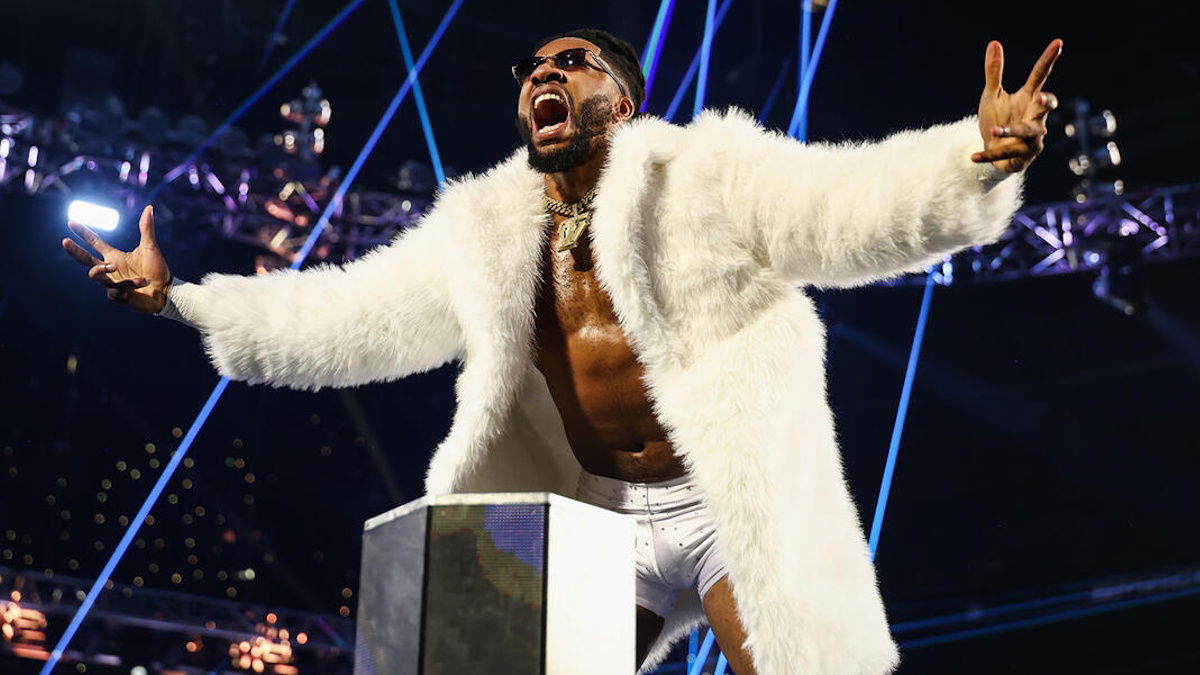
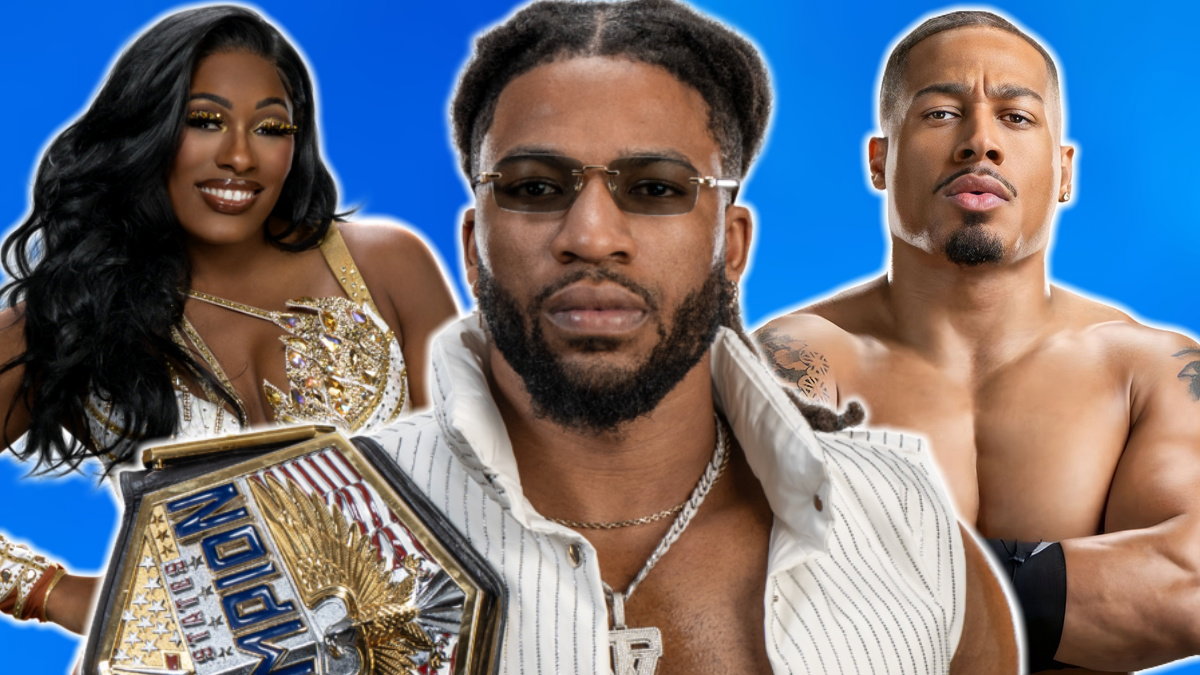
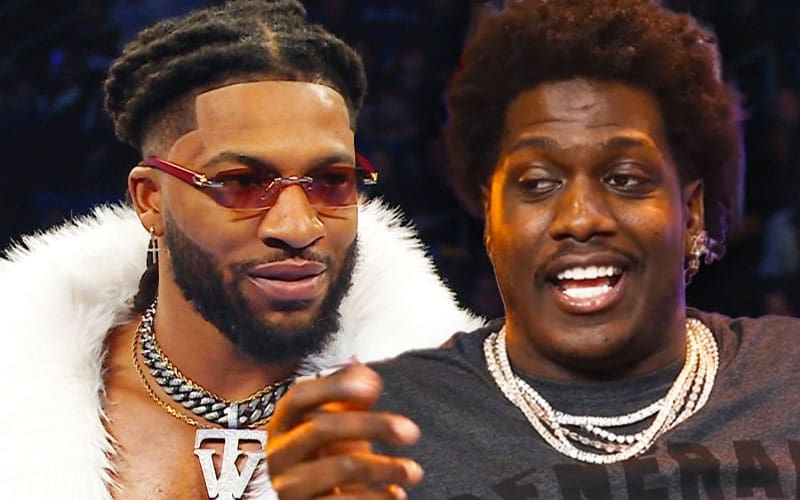
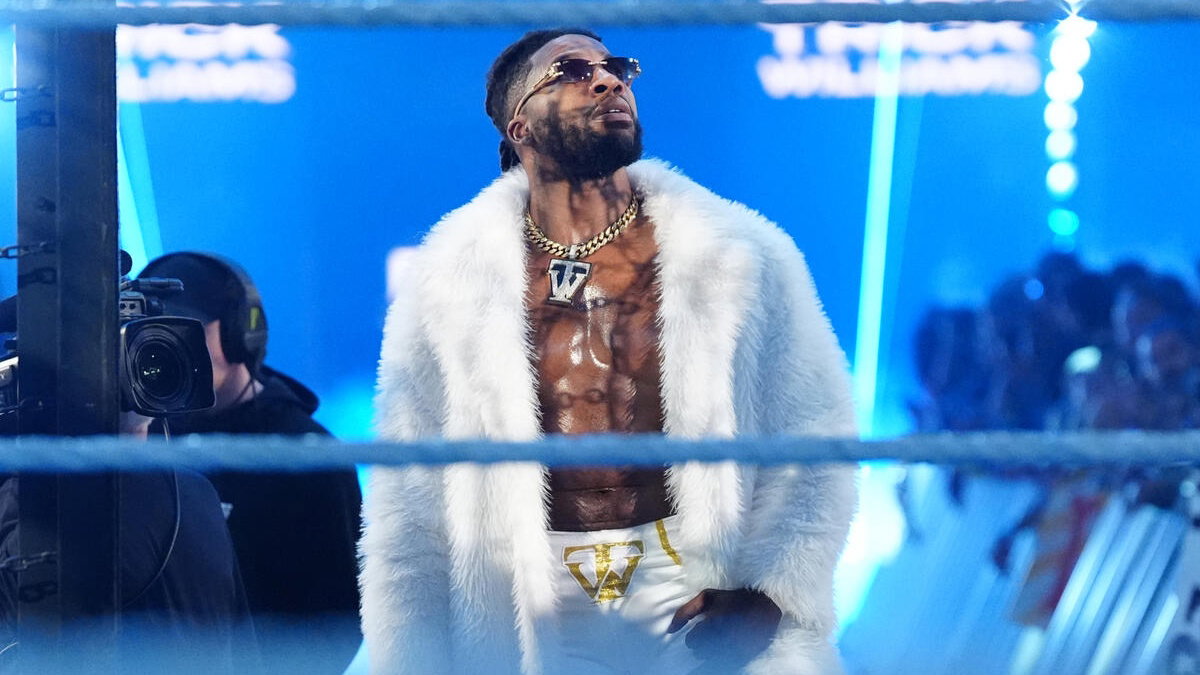
Trick Williams finds himself at the center of a locker room cold war after his decisive interference on the latest episode of SmackDown. By inserting himself into the closing moments of the broadcast, Williams has drawn the direct ire of industry veterans. Most notably, Hall of Famer Mark Henry has publicly labeled the act the kiss of death for Williams' momentum, suggesting the association with current title pictures carries immense baggage.
This isn't simple trash talk. Henry’s critique stems from the volatile nature of the current Cody Rhodes and Randy Orton narrative. As noted by observers, the trajectory of the main event scene is shifting toward an aggressive, conflict-heavy style reminiscent of late-nineties booking. For a rising star like Williams, getting flagged by veterans for poor timing on a championship segment can effectively freeze a push.
Disruption behind the scenes
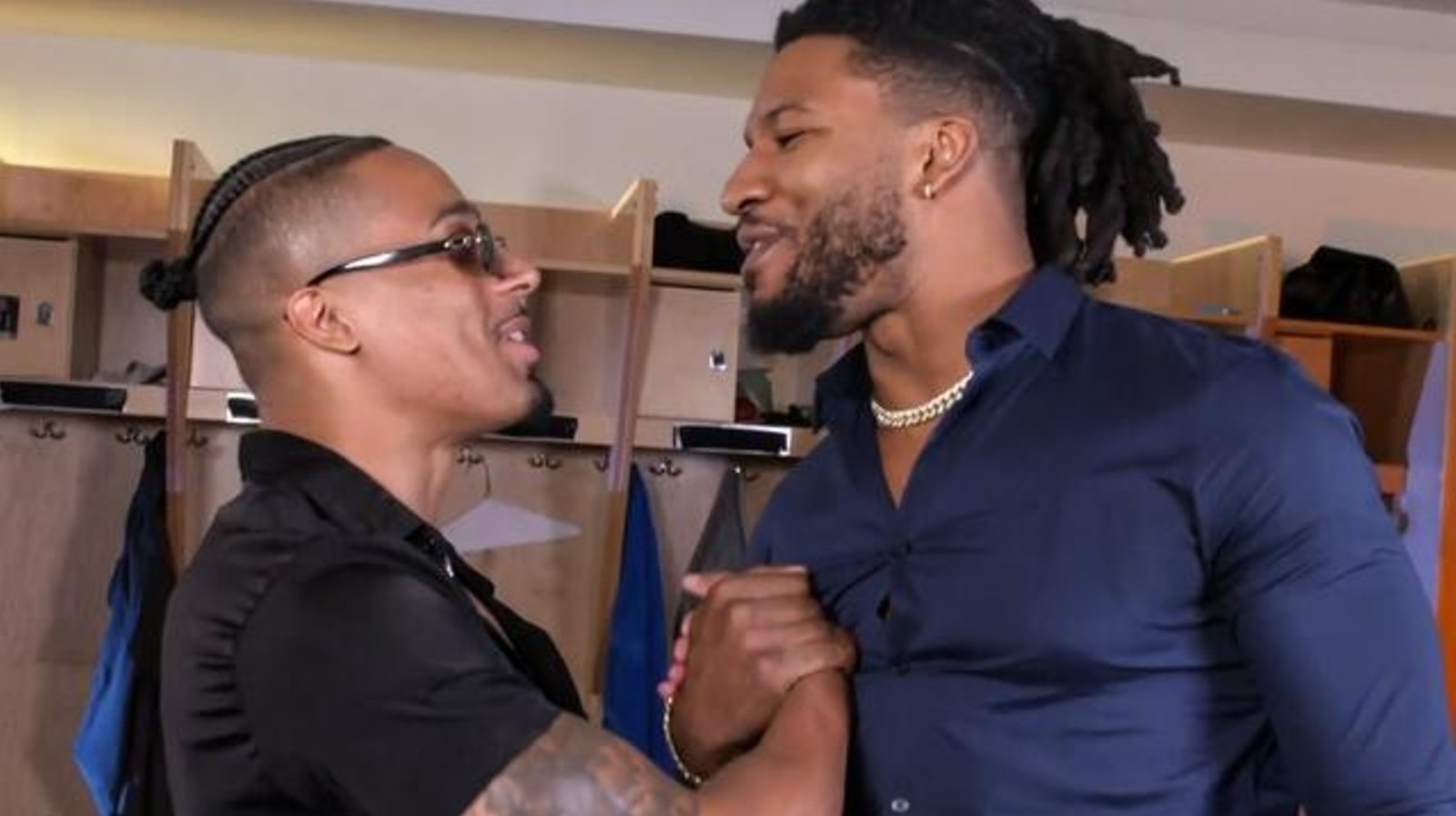
The fallout extends beyond Mark Henry’s commentary. Recent segments have seen peripheral figures like Disco Inferno inserting themselves into the discourse after being referenced on television. This creates a cluttered environment where actual ring performance is increasingly difficult to isolate from off-screen ego battles.
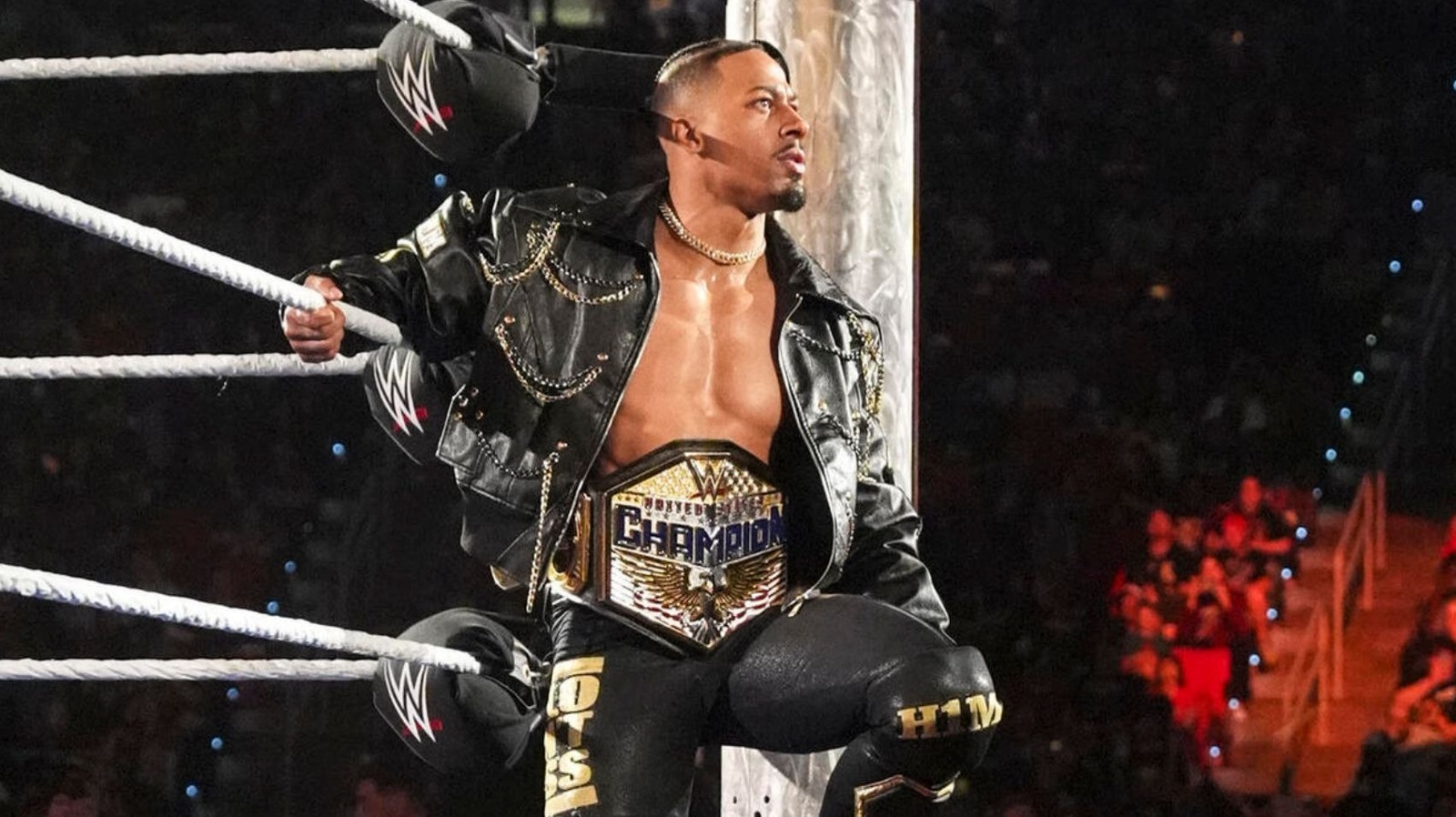
Williams is currently navigating a high-stakes environment where one wrong step in the booking sequence can lead to real-world heat. The risk is not merely narrative friction; it is the potential for significant pushback from the veteran locker room contingent. Managing a championship scene requires surgical precision, and Williams’ interference has introduced a variable that many feel was unnecessary.
Strategic risk for WrestleMania 41
With WrestleMania 41 only 14 days away, the proximity of this incident to the biggest shows of the year is problematic. WWE has a history of shortening the leash on performers who cause logistical issues in high-profile segments. If the booking team views Williams as a liability rather than a centerpiece, his usage rate could crater exactly when he needs maximum visibility.
Historical precedents offer little comfort for those labeled with the kiss of death. In previous cycles, performers who crossed established locker room power brokers during the final lead-up to April events often saw their roles reduced to glorified cameos. The intensity of the Rhodes-Orton program leaves zero room for error.
The competitive landscape
The interference also highlights a broader issue: the struggle for oxygen in a crowded main event circuit. Every minute of airtime between now and the final tapings is bought with intense creative capital. By inserting himself, Williams has essentially invited a referendum on his own relevance.
If the audience reaction to the interference remains lukewarm, the company may pivot away from him entirely to prioritize the settled rivalry between Rhodes and his established opponents. There is a palpable disconnect when mid-card ambition clashes with top-tier narrative arcs. The window to capitalize on his current standing is closing, and he has effectively forced the promotion’s hand.
Booking outlook
Expect the creative team to address this interference during the next two episodes of SmackDown. If the reaction is immediate and severe, we may see a strategic cooling-off period for Williams. The goal is clearly to protect the Rhodes-Orton dynamic, which is being positioned as the pivot point for the brand’s post-Mania direction.
Should Williams persist in these tactical intrusions, he risks becoming a cautionary tale rather than a breakout star. The industry is currently favoring high-intensity, story-driven matches, and any filler—or perceived interference—is treated with zero tolerance by the veteran staff. One bad move now could cost him a spot at Backlash on May 09, 2026. He is fighting for his professional life within a script that has no room for the uninvited.