The shadow of personal crisis in ring returns
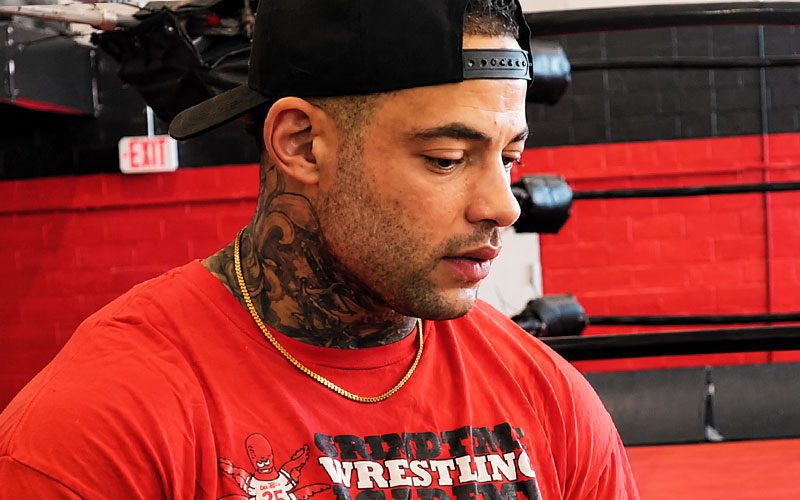
Professional wrestling often demands a partition between private reality and public performance. Trey Miguel learned this the hard way following his recent return to action. While fans focused on his in-ring movement and match fluidity, Miguel was navigating a significant family health crisis.
Reports indicate that Miguel’s father suffered a severe heart attack just days after his competitive return. Attempting to balance a professional comeback while managing a life-altering medical emergency is a mental burden that few performers ever articulate in interviews. This context frames every subsequent move Miguel attempts in his next outing.
Translating anxiety into technical execution
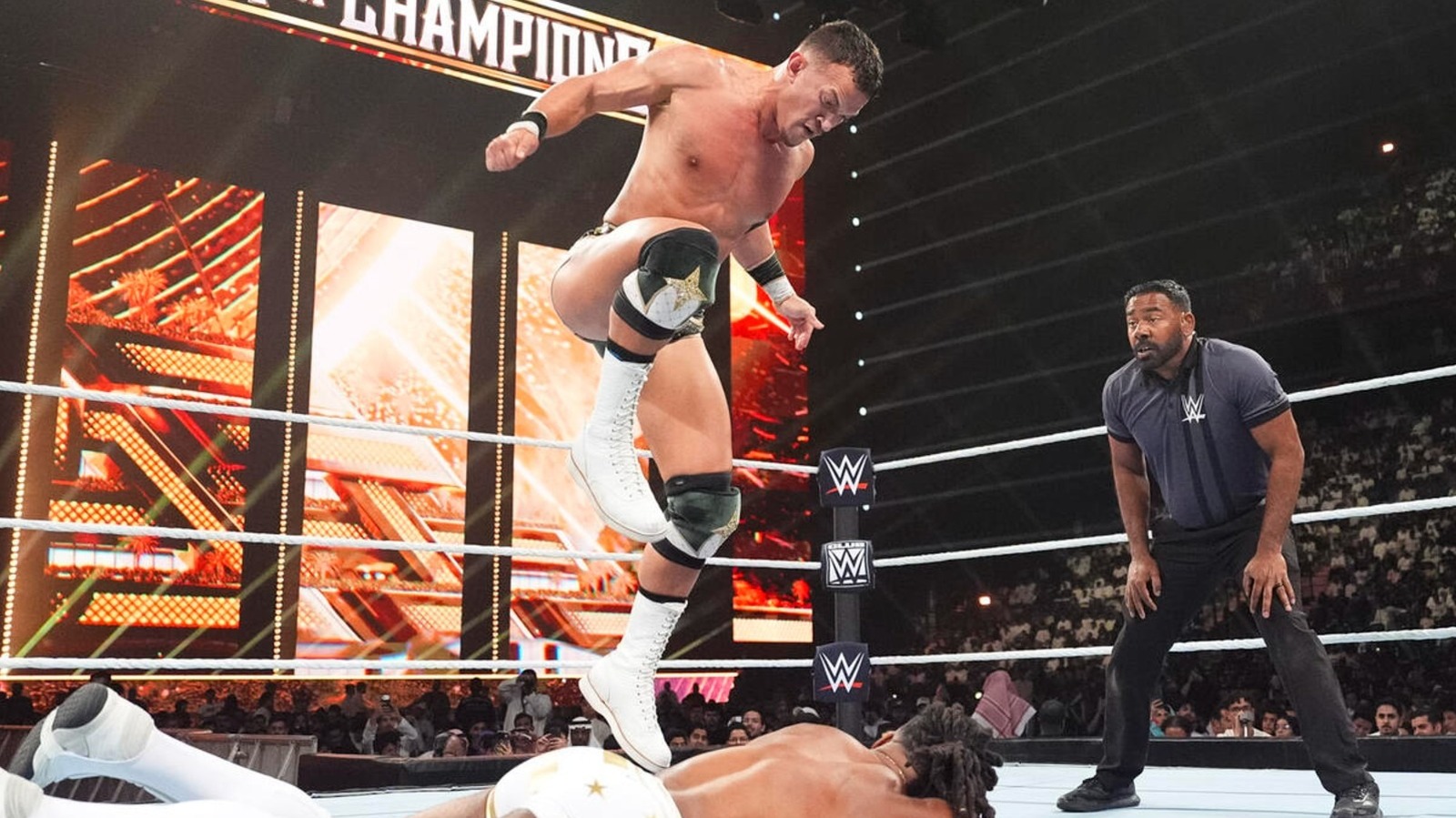
The technical demands of the sport require absolute focus. Any lapse in concentration can lead to injury, particularly in high-flying sequences involving high-angle maneuvers. Miguel has historically relied on his vertical mobility and agility to control the pace of matches.
We must watch his opening sequences closely in his next bout. If he shows hesitation during rope-work or delayed recovery following basic bumps, it will signal that the emotional weight of his father’s situation has reached his physical process. Elite performers usually hide this, but the margin for error at the professional level is non-existent.
The booking implications of the return
Management often ignores personal circumstances when structuring long-term programs. Miguel is currently navigating his father’s recovery while the promotion expects him to maintain his position on the card. This creates a friction point regarding his momentum.
The criticism here lies in the timing. If creative pushes him into high-stakes, physically taxing bouts, they risk both his focus and his physical safety. Wrestlers are not machines. Expecting a performer to operate at 100% capacity after a seismic personal event is a recurring flaw in how talent is managed across the industry.
Tactical expectations for the next match
Watch for the specific timing on his finishing sequences. If the delivery of his signature moves looks rushed or lacks the usual snap, it is an objective indicator of internal distraction. A professional of his caliber usually maintains a high success rate on technical transitions, but human factors often create unforced errors.
My prediction is that Miguel will prioritize a grounded, methodical style to mitigate the risk of high-flying errors. He will likely lean on chain-wrestling to dictate pace rather than relying on high-risk aerial spots. He needs to protect his health and his current standing in the promotion while his family manages this ordeal.
I expect he will win, but the match quality will likely suffer due to the obvious psychological barrier. He is currently carrying the weight of his father's health into every exchange. If he takes a loss, it will likely be attributed to a minor technical oversight triggered by external stress rather than a lack of talent.